SpaceX Starmind: FCC Approves 1 Million Orbital Data Center Satellites
USD 22,28
Popular
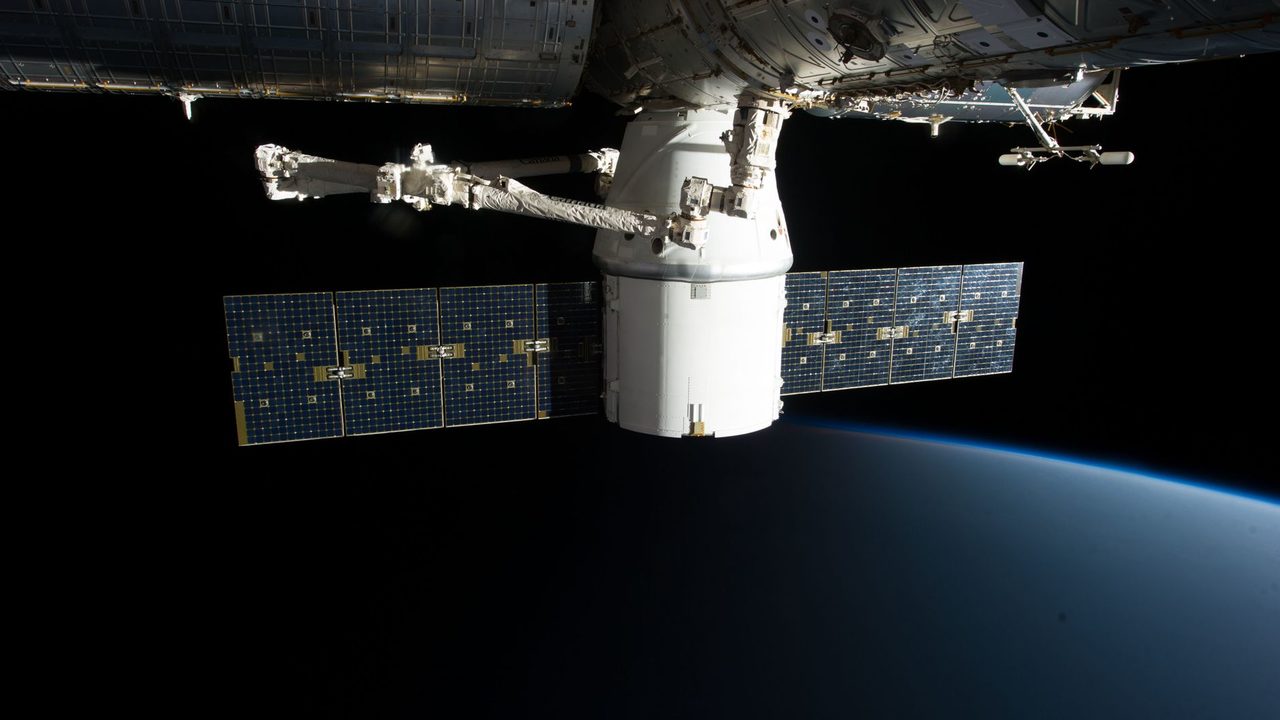
The Federal Communications Commission on Wednesday authorized SpaceX to deploy 1 million satellites meant to work as data centers in orbit, according to NPR. The constellation, called Starmind, drew praise from the agency and criticism from astronomers, rival satellite companies and some scientists, who question whether it can work and what it would do to the night sky.
The company has to launch at least one authorized space station by 2033 and then add more gradually through 2040, according to the FCC’s authorization order.
What the FCC approved
NPR reported that the FCC described the approval as a historic first in the artificial intelligence race. The agency said the 1 million orbital compute modules would process large amounts of data for use on Earth and bring people closer to harnessing the full power of the sun.
FCC Chairman Brendan Carr, appointed by President Donald Trump, said in a statement that the country is leading the world into an era of super intelligence and that the decision opens a bold new frontier. Elon Musk welcomed the ruling on social media, according to NPR. Space-based data centers powered by the sun have long been a goal of Musk and his rocket company.
Supporters of the idea argue that solar power in orbit could take pressure off electric grids and reduce demand for large computing warehouses on Earth, along with the water used to cool them.
Why scientists are skeptical
Scientists and industry experts have pointed to major technical and financial obstacles, as well as environmental concerns, NPR reported. Astrophysicist and author Adam Becker called the plan “a fantasy” and said it will not happen.
One problem is heat. Space is cold, but it is also a vacuum, which holds heat inside objects much as a thermos does. Becker said there are basic physical limits on how that heat can be radiated away. Launching many smaller satellites could carry the needed material, he said, but doing so would be expensive and difficult.
Critics also cite atmospheric pollution from launches and reentries, and the chance of collisions in orbit that could affect other important satellites. Becker warned of a cascading set of space junk collisions that could leave a cloud of debris in low Earth orbit, where many weather and telecommunications satellites operate.
Objections from astronomers and competitors
The American Astronomical Society, the satellite communications company Viasat and Amazon-owned Kuiper Systems were among those that urged the FCC to reject the request, NPR reported. The astronomy group said in a statement that it was “disheartened and dismayed” by the decision.
The society said placing data centers in low Earth orbit would undermine decades of federal investment in astronomical facilities and the ability of astronomers and the public to enjoy and study the night sky. It said the satellites would be larger, and therefore brighter, and more numerous than others, and would appear as extremely bright objects for longer periods. Becker described the effect as pollution of the night sky even for the naked eye.
In its ruling, the FCC said the Starmind constellation is consistent with its orbital debris rules. It acknowledged receiving a substantial number of public comments, including petitions to deny the request, but concluded that deployment serves the public interest. The agency said it set aside topics outside its authority, such as environmental concerns.
What this means for astronomers and the night sky
For people who watch the sky, the main practical concern is brightness. According to the American Astronomical Society, the planned satellites would be visible for longer stretches of the night, and the group said the plan threatens both professional research and ordinary stargazing. For the wider satellite industry, critics warned of collision risks in an orbit shared with weather and telecommunications spacecraft.
What happens next
The FCC order sets a deadline of 2033 for SpaceX to launch its first authorized space station, with more to follow through 2040. NPR said Viasat, Amazon, SpaceX and the FCC did not immediately respond to requests for comment from The Associated Press on Wednesday.
Read next
SpaceX Gets Military Orbit-Tracking Data, Raising Questions About Who Controls Space Traffic
SpaceX Sends 27 More Starlink Satellites Into Orbit on a Halloween Launch
SpaceX Sends 27 More Starlink Satellites Up as Falcon 9 Launches Grow Less Frequent
Around Prague, based on reporting by NPR