What the BBC licence fee plan could mean for Netflix and Disney+ subscribers
USD 22,31
Popular
People who subscribe to streaming services such as Netflix, Amazon Prime Video and Disney+ could be asked to pay the BBC licence fee from 2028, even if they never watch BBC programmes, according to reports in the Sunday Times, the Independent and the Mirror. The government says no final decisions have been made.
Culture Secretary Lisa Nandy is expected to set out a major overhaul of how the BBC is funded before Christmas, the Mirror and the Independent reported.
What it means for households
The licence fee currently stands at £180 a year. At present, anyone who watches live television must pay it, whether or not they watch the BBC. People do not pay for playback or non-live shows on streaming platforms, except on BBC iPlayer, the Independent noted.
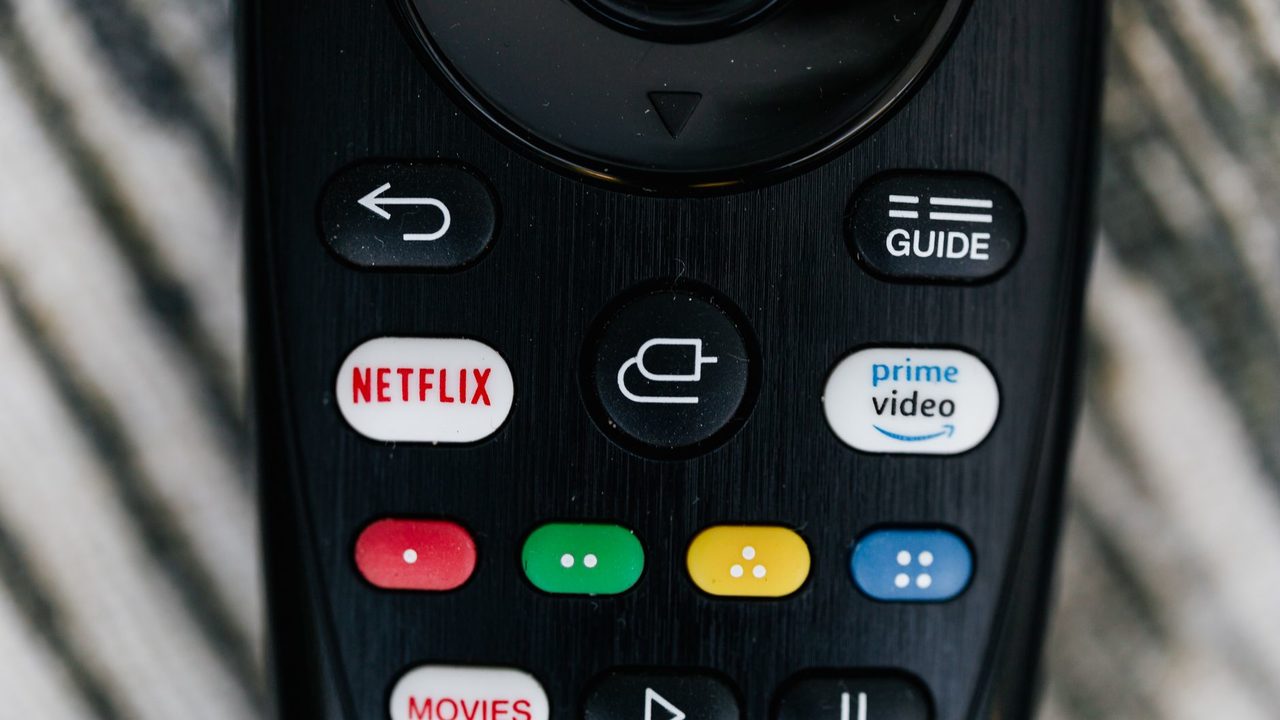
Under the plans reported by the Sunday Times, the charge could extend to subscribers of Netflix, Amazon Prime Video, Disney+, Discovery+, Paramount+, NOW and HBO Max. The Independent said the charge would come on top of current subscriptions. It estimated that an extra 3 to 4 million households would have to pay if the fee were extended to streaming services.
Platforms such as YouTube and social media sites including Instagram and TikTok are not expected to be affected, according to the Mirror. The Independent said an earlier idea it had reported in October, a so-called “YouTube tax”, had reportedly been changed to focus instead on streamers of curated entertainment.
The existing concessions are described in the Independent’s report: the licence is free for people aged 75 and older who receive pension credit, and visually impaired people receive a 50 per cent discount. The reports do not say how any such concessions would apply to a streaming-based charge.
Why the government is looking at changes
The BBC’s current charter came into force in 2017 and is due to expire in December 2027. A government white paper on the BBC’s funding model and future is due to be published next month, according to the Mirror.
The reports point to a shrinking licence fee base. The Independent said around 539,000 fewer TV licences were in force in the year to 31 March 2026, and that the number has dropped by around two million over five years. The Mirror said the new director-general, Matt Brittin, told MPs that the BBC had lost around £1.2 billion to £1.3 billion of licence fee funding over the last 10 years, with around 40% of that due to fewer households paying. In the summer he called the current model “no longer fit for purpose”.
The Independent said the BBC collects around £3.8 billion to £3.9 billion from the licence fee but recorded an operating deficit of £121 million for 2025/26. It added that the corporation has faced spending cuts, and that Newsnight recently cut 10 per cent of its staff.
A Whitehall source told the Sunday Times that without action the BBC faces a choice between a “slow death or quick death”. The source said ministers would choose to put it on a firm financial footing.
What the government and others are saying
The Department for Digital, Culture, Media and Sport told the Mirror that it is looking at a range of options through the charter review, including how the licence fee could be reformed, but that “no final decisions have been made”.
Education Secretary Lucy Powell told Sky News and the BBC on Sunday that ministers are looking at how to support the BBC ahead of charter renewal and make it sustainable and future-proofed. She said that, as far as she was aware, no decisions had been taken.
The Conservatives criticised the reported plans, saying they made a mockery of the focus on the cost of living, according to the Independent. Sources at streaming services also warned, via the Sunday Times, that the move could lead customers to cancel subscriptions and companies to scale back their investment in the UK.
What happens next
The white paper on the BBC’s funding is due next month, and Nandy is expected to announce the changes before Christmas. Any new charge would be reported to start from 2028, the year after the current charter expires. Until the government publishes its proposals, details such as the price, who would be covered and how it would be collected remain unconfirmed.
Read next
What the BBC's Plan to Close BBC Three and BBC Scotland Channels Means for Viewers
What a Next-Gen Xbox Priced Up to $1,800 Could Mean for Console Buyers
What the Police Decision on Sarah Helm’s Post Means for UK Speech
Around Prague, based on reporting by Mirror, The Independent