How Lilly's Retatrutide Compared With Ozempic in a Head-to-Head Diabetes Trial
USD 21,83
Popular
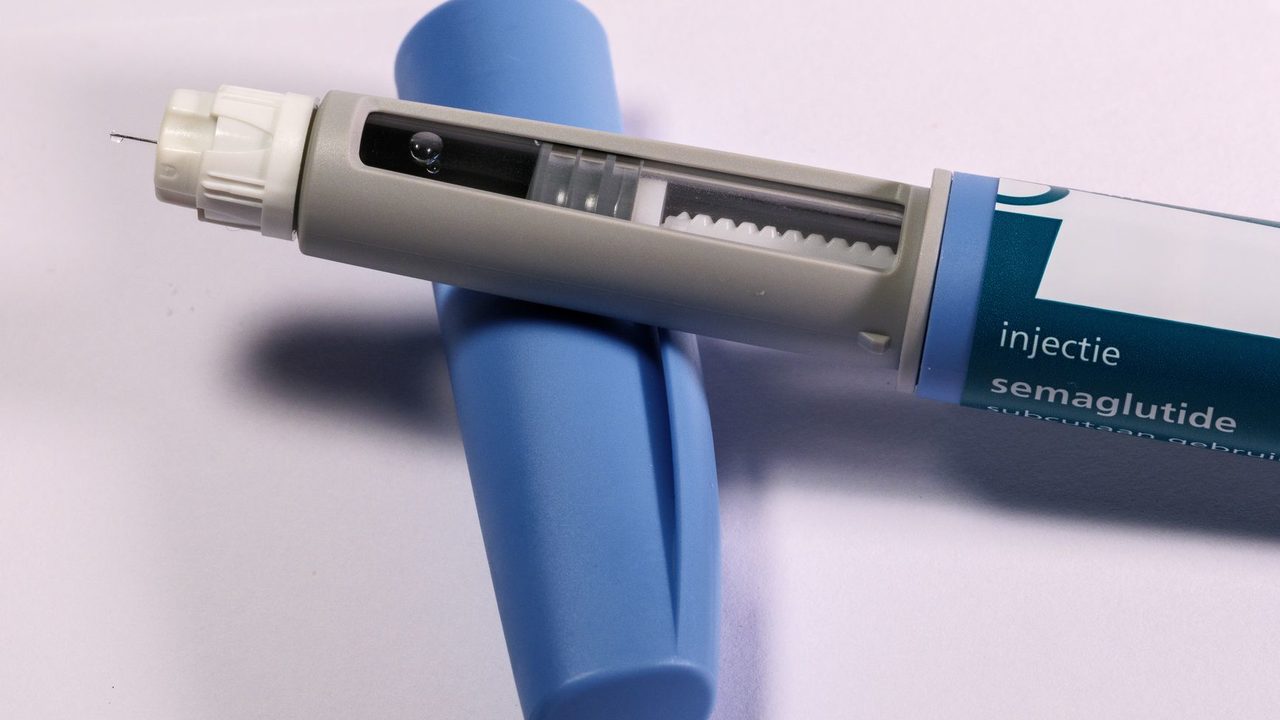
Eli Lilly said on Oct. 28 that its experimental drug retatrutide lowered blood sugar more and produced far greater weight loss than Ozempic at the highest approved dose in a Phase 3 trial of adults with type 2 diabetes. The drug is not approved anywhere, and the full data have not yet been peer-reviewed or published.
The results come from a trial called TRANSCEND-T2D-2, which Lilly announced in a press release. Business Insider reported that the company plans to submit retatrutide to the Food and Drug Administration in early 2027.
What did the trial find?
The study compared once-weekly retatrutide at two doses with Ozempic 2 mg, the highest approved dose, over 80 weeks. According to Lilly, retatrutide met its primary goal and all key secondary goals.
Both retatrutide doses lowered A1C, a measure of blood sugar control, by an average of 2.2%, compared with 1.8% for Ozempic. Lilly said retatrutide also improved some cardiovascular risk factors more than Ozempic did, including non-HDL cholesterol, triglycerides and systolic blood pressure.
How much weight did participants lose?
Lilly reported that people on retatrutide lost an average of 44.3 lbs (19.5%) at the 9 mg dose and 47.4 lbs (20.9%) at the 12 mg dose. Those on Ozempic lost an average of 20.9 lbs (9.4%).
STAT News, as relayed by UA.News, noted that the weight figures reflect participants who stayed on treatment, not everyone who enrolled. Lilly also said that in a separate trial, TRIUMPH-2, people with type 2 diabetes and obesity on the highest retatrutide dose lost an average of 49.6 lbs (20.8%).
What about side effects?
Lilly said the most common side effects were digestive. Diarrhea affected 28.3% of patients on the 9 mg dose and 32.7% on the 12 mg dose, versus 26.4% on Ozempic. Nausea was about the same across groups. Constipation was somewhat less common with retatrutide.
Dysesthesia, an abnormal skin sensation that Business Insider described as tingling or burning, occurred in 4.8% and 6.5% of retatrutide patients, versus 2.7% on Ozempic. Lilly said most side effects were mild to moderate and typically resolved during treatment.
More retatrutide patients stopped treatment because of side effects: 4.8% at 9 mg and 7.9% at 12 mg, compared with 2.7% for Ozempic.
What does this mean for people with type 2 diabetes?
For now, nothing changes in what patients can be prescribed. Retatrutide has not been approved by the FDA or any other regulator, and Lilly says it cannot legally be sold or marketed for human use.
Lilly argues that weight loss has historically been harder for people with type 2 diabetes, and that head-to-head trials show how a new drug compares with treatments already available. Kenneth Custer, who leads Lilly's cardiometabolic business, said the company believes retatrutide could change how type 2 diabetes, obesity and related conditions are treated if it is approved. That is the company's view, based on its own announcement of topline results.
Business Insider reported that, if all goes well, the drug could reach the market sometime next year for conditions including obesity, obesity-related sleep apnea and knee osteoarthritis.
Why does the black market for retatrutide come up?
Business Insider reported that sellers overseas are already shipping powders labeled as retatrutide, feeding a gray market of do-it-yourself injections. The outlet said buyers cannot be sure what they are taking.
Lilly took the unusual step of addressing this in its release. The company said anyone claiming to sell retatrutide to consumers is breaking the law.
What happens next?
Lilly said detailed results will be presented at a future medical meeting and published in a peer-reviewed journal. The company is also running TRIUMPH-5, an ongoing Phase 3 trial comparing retatrutide directly with tirzepatide, the drug in Lilly's Mounjaro, in adults with obesity, with or without type 2 diabetes.
Business Insider noted that Lilly released the results as it prepares to report quarterly earnings on Thursday. TRANSCEND-T2D-2 is the sixth Phase 3 trial in which Lilly says retatrutide has shown strong results.
Around Prague, based on reporting by PR Newswire, Business Insider, UA.NEWS