Super El Niño Declaration Due Thursday: What It Could Mean for Your Winter
USD 21,91
Popular
NOAA's Climate Prediction Center is expected to officially declare a Super El Niño on Thursday, according to FOX Weather. The pattern is forecast to last through the winter and could steer more storms across the southern U.S.
The declaration comes after a busy Pacific hurricane season and a very quiet Atlantic one. Here is what the two sources, FOX Weather and the Rutgers Climate and Energy Institute, say about what is happening and what could follow.
What is a Super El Niño, and why is it being declared now?
El Niño is a natural warming of the tropical Pacific Ocean. FOX Weather reported that it has been in effect since late spring and strengthened through the summer and early fall. A "super" event means water temperatures in the equatorial Pacific run at least 2 degrees Celsius above average for at least three consecutive months.
FOX Weather said the CPC's evaluation found that July, August and September did not reach that level. On Thursday, the center is expected to say the August, September and October period did.
How strong is this event?
John Krasting, New Jersey's state climatologist, called it exceptionally strong in an interview published by Rutgers. He said NOAA reported sea surface temperature anomalies of 2.5 °C in the tropical Pacific this past week. By his count, only five Super El Niño events have occurred since 1965 before this one.
Krasting said NOAA projects a greater than 80% chance that this event becomes the strongest since 1950 before the ocean cools next spring. FOX Weather said forecasters expect La Niña conditions to take over in spring 2027.
How has it affected this year's hurricane season?
According to FOX Weather, the Eastern Pacific has had one of its busiest seasons on record, with only four names left on the list. The Atlantic has had a record under-active season, with 1 hurricane and 10 named storms so far.
The outlet attributed the split to El Niño. In the Atlantic, wind shear limited storm development. In the Pacific, warm water and limited wind shear helped fuel activity.
Why does it matter for winter weather across the U.S.?
FOX Weather said NOAA's 2026-27 Winter Outlook calls for more storms from Southern California across the southern tier of the country to Florida. During a Super El Niño, the Pacific jet stream tends to become more extended and active, directing storms farther south. FOX Weather said the added storminess is expected to keep Southeast temperatures near normal.
Krasting described similar patterns. A stronger subtropical jet stream is likely to increase rainfall across the Southwest, Texas, the Gulf Coast and the Carolinas, he said. Drier conditions are likely in the Ohio and Tennessee River valleys. Warmer-than-average temperatures are likely across the Northern Plains, the Pacific Northwest and parts of southeastern Alaska.
For the Northeast, Krasting said a stronger subtropical jet tends to fuel more coastal storms. That could bring more rain and coastal flooding to New Jersey. He noted that a powerful early-season nor'easter in late September caused significant erosion, the worst since Superstorm Sandy in some places. He said Holgate, on Long Beach Island, developed steep cliffs where beach and dunes washed away. Wide beaches and dunes protect against winter storms, he said, so the damage leaves coastal communities more exposed in a season that could be more active.
Does the past offer a guide?
FOX Weather said forecasters are not yet sure how this event will compare with earlier ones, though early clues suggest it most resembles the winter of 1997-98. That year, a Super El Niño brought a major October snowstorm from Colorado to Maine. Just after the new year, flooding rains and a major ice storm hit the Midwest, Southeast and Northeast. The outlet said it is too early to know how this winter will unfold.
Krasting made a similar point, saying every El Niño has its own "personality" and that only time will show how it affects New Jersey.
Does climate change alter the picture?
Scientists are still working to understand that, Krasting said. He said El Niño is still expected to be the main driver of year-to-year weather variability worldwide. It is unclear whether future events will grow more or less intense. Even so, he said, events on top of a warmer baseline climate are likely to increase typical impacts such as heavy rainfall and droughts in certain regions.
Read next
Storm Charles Closes Portugal's Schools and Grounds Flights at Lisbon
UK Issues First Cold-Health Alerts as Temperatures Dip Below Freezing
Floods Lift Lake Powell More Than 20 Feet, Easing Southwest Drought
Around Prague, based on reporting by FOX Weather, Rutgers Climate and Energy Institute (RCEI)
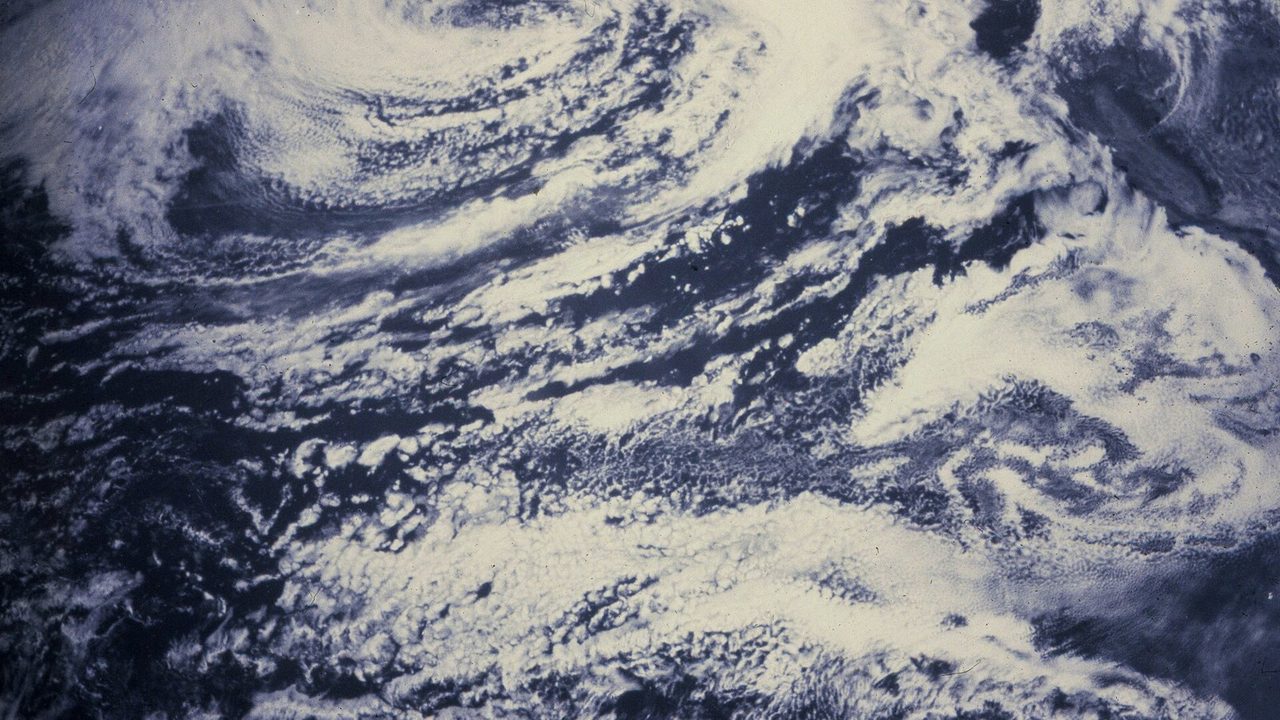
Cover photo: NOAA / Wikimedia Commons (public domain)