What Trump's Russia-Ukraine Energy Ceasefire Claim Means for Fuel Prices

USD 21,75
Popular
President Donald Trump announced Sunday that Russia and Ukraine have agreed to an immediate "energy ceasefire," meaning both sides would stop attacking each other's energy facilities. The claim is tied directly to fuel costs. Trump has argued that Ukrainian strikes on Russian refineries are pushing up diesel prices for American consumers and businesses.
The announcement was not confirmed by Moscow, and Ukrainian President Volodymyr Zelenskyy said he knew nothing about it, according to Axios and NBC News. Fox News reported that the White House and the Ukrainian and Russian embassies in Washington had not immediately responded to requests for comment.
What Trump said and what Kyiv answered
Trump posted on Truth Social that the ceasefire was effective immediately, that both parties had agreed, and that neither should break it. NBC News reported that he gave no further detail on what the arrangement would cover. Fox News noted that it was not immediately clear how a ceasefire would be monitored or enforced.
Zelenskyy told Axios the announcement "was news for me." He added that Ukraine would accept a ceasefire if Russia agreed to one, and asked to be told when it begins. He also repeated that Ukraine is willing to halt strikes on Russian refineries if Moscow stops hitting Ukrainian power plants and other critical infrastructure.
Axios and NBC both noted that Trump made a similar announcement a month earlier. Neither side confirmed a deal then, and attacks on energy sites continued on both sides.
Why it matters for fuel prices and everyday costs
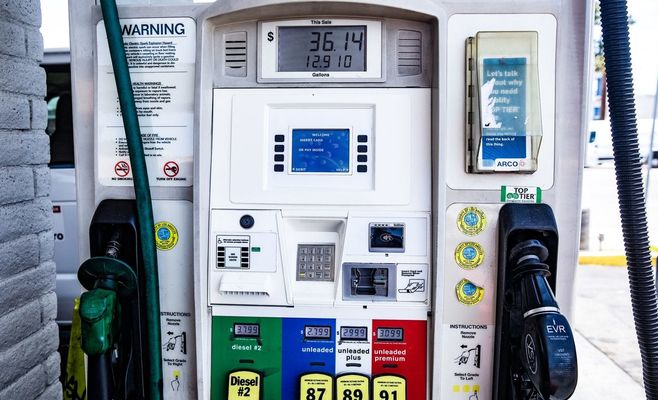
Fox News reported that diesel prices are weighing on American farmers, truckers and businesses that use the fuel to move goods and run heavy equipment. According to Fox, Trump says Ukraine's strikes on Russian refineries have disrupted global diesel supplies and contributed to higher fuel prices in the U.S.
Zelenskyy disputes that framing. He told reporters that it is easy to blame Ukraine for higher prices when, in his words, everyone understands the war in the Middle East is the cause. NBC News reported that diesel prices have hit record highs amid a global fuel shortage since the U.S. launched that war in February, and that Trump has blamed the Ukraine conflict rather than the Middle East campaign.
If a real halt to refinery strikes took hold, it would address one of the pressures Trump has pointed to. Fox News reported that Ukrainian attacks have disrupted Russian fuel production and exports, adding strain to global energy markets. Whether that would change prices at the pump or for businesses has not been laid out by any of the outlets.
For Ukrainians, the stakes are different. Fox News said Russian strikes on the power grid have left civilians facing outages and have damaged infrastructure needed to heat homes and sustain businesses. Axios described a working energy ceasefire as a potentially dramatic diplomatic breakthrough ahead of winter.
The diesel deal behind the announcement
The ceasefire claim followed a tense few days. According to Fox News and NBC News, the U.S. agreed Friday to relieve sanctions on Russian fuel. Fox reported that the Treasury Department authorized temporary relief to facilitate Russian diesel supplies.
NBC News reported that Trump said Russia would immediately release 300,000 tons of diesel to the American and global market, followed by 500,000 tons in November and another million after that. Trump argued the arrangement would help lower fuel prices. Zelenskyy criticized it as a concession to Moscow that could give Russia more revenue for its war effort, Fox reported.
On Saturday, after Zelenskyy's criticism, Trump told reporters he suggested Ukraine get a new leader who can make a deal. Zelenskyy responded that Ukrainians choose their leader. He told ABC News he would hold elections if Russia agreed to a 60-day ceasefire, according to NBC.
What remains unsettled
An energy ceasefire would not end the war, Fox News noted. It is not known whether Russia agreed to anything, when a halt would begin or how it would be verified. Zelenskyy has said he is ready to accept a ceasefire once Russia commits to it, and NBC said it had asked his office for further comment.