Trump and Putin diesel deal: what it means for Ukraine and Europe
USD 21,81
Popular
Donald Trump has agreed with Vladimir Putin on deliveries of Russian diesel to the United States and is easing American sanctions on purchases of Russian oil and gas for six months. Critics say Russia will benefit most, while Ukraine will be left exposed.
Diesel for 16 hours
The first batch of Russian diesel, agreed shortly before the weekend, is estimated to last American farmers and truckers just 16 hours, and the whole promised supply nine days. It will barely affect pump prices in the US, which have risen 70 percent over the past year: fuel is traded on global markets and its price depends on many factors, above all the crisis in the Strait of Hormuz. For Trump the issue is a sensitive one, with the congressional elections on November 3 just three weeks away.
For Ukraine, however, the deal could have serious consequences. Besides lifting sanctions, the Americans are to supply technology for Russian oil refineries, which the Kremlin has struggled to obtain because of sanctions. This will give the Russian economy, which lives off fuel trade, serious support: Russia will be able to sell oil legally and profitably and repair its plants.
Why now
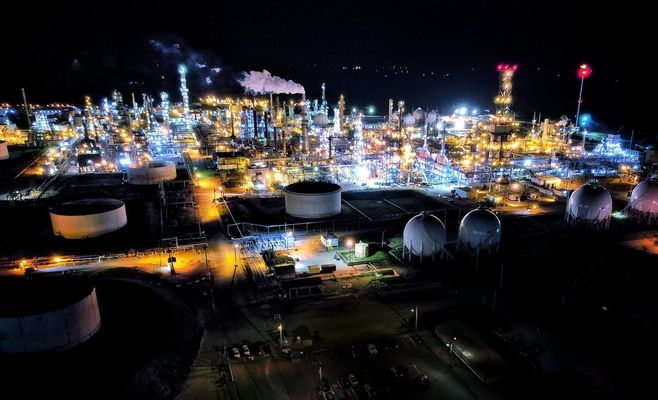
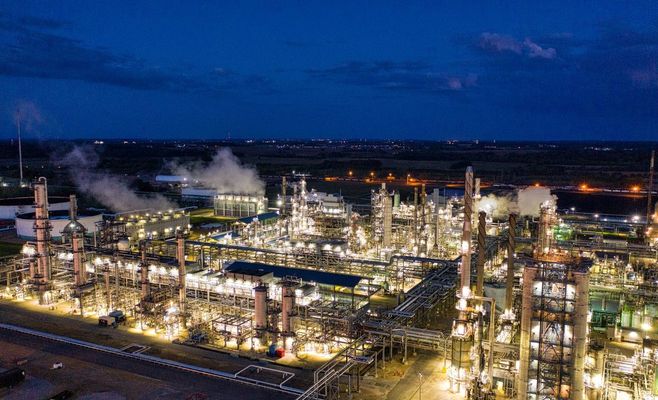
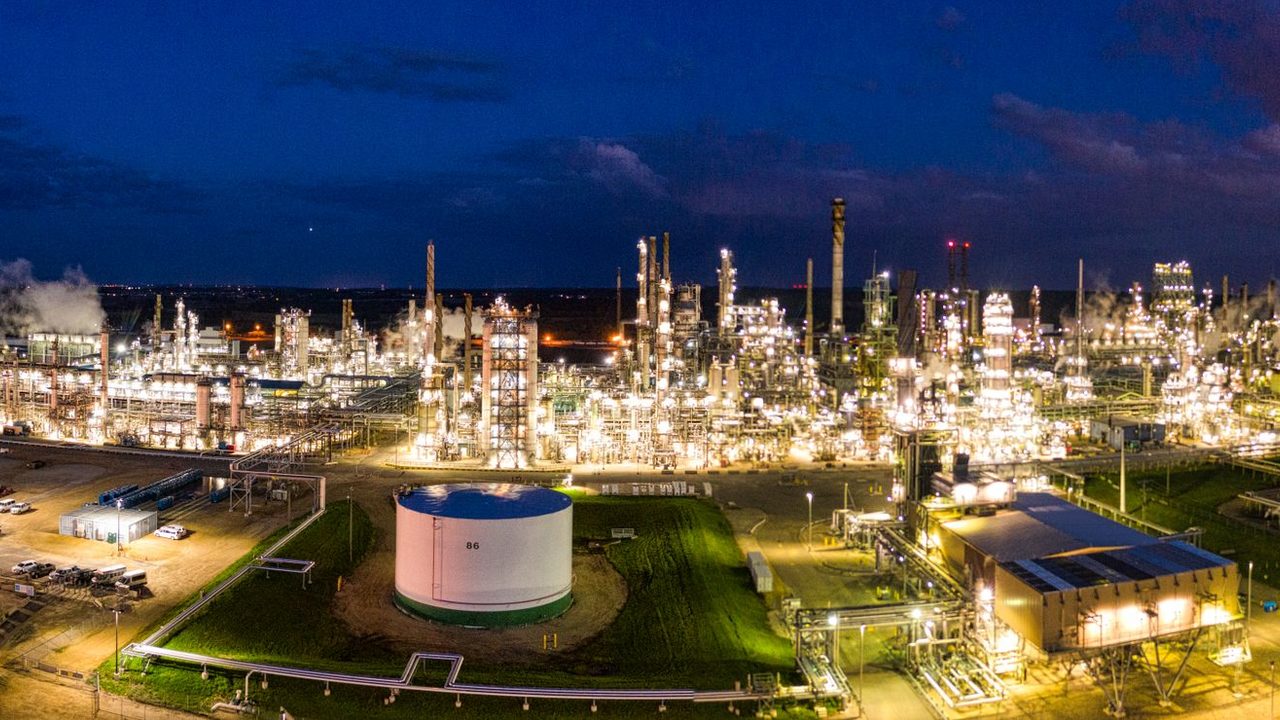
All this is happening just as Ukraine has begun to respond successfully to Russian strikes on civilians, using drones against Russia’s energy infrastructure. According to the Ukrainians themselves, the strikes have damaged or knocked out 43 percent of Russian refineries and cut diesel and petrol production from 5.6 million barrels a day at the start of the year to 4.1 million at the start of September.
Three weeks ago Trump signed a law allowing tougher sanctions on countries that buy Russian oil and gas, but it only permits this and does not require it. Now he has chosen the opposite path. According to US media, people in Trump’s circle, including negotiator Steve Witkoff and the president’s son-in-law Jared Kushner, have been given an opportunity to acquire a stake in the Russian company Lukoil. It is a multibillion-dollar deal, but the key condition is that Lukoil’s assets are not under constant fire, for example from Ukrainian drones.
What exactly Trump and Putin discussed is unknown. On Saturday Trump urged Ukrainians to stop attacking the power grid and repeated that Ukraine “deserves a new president”. On Sunday he announced an energy truce between Russia and Ukraine, but Volodymyr Zelensky said he knew nothing about it, adding that Russia was in fact attacking power plants in Kyiv and Kharkiv. In addition, media reports say Witkoff and Kushner threatened the Ukrainian government that the US would stop sharing intelligence if Ukraine kept bombing Russian plants.
What Europe is doing
Europe itself is not blameless. In the first nine months of this year, European countries bought €12 billion of Russian gas — more than the Trump–Putin deal will bring in. Three weeks ago the EU removed two of Putin’s oligarchs from its sanctions list, including the owner of engineering plants that supply components for Russian refineries.
Even so, some countries are responding to the deal by helping Kyiv. Finland, according to its president, is increasing financial and military aid to Ukraine, including for air defence; Denmark and Britain are preparing the same. Representatives of European institutions spoke with Zelensky by phone for several hours. They are looking for a way to lift the Belgian veto on confiscating Russian assets in EU banks and to channel the interest to Ukrainians before winter, and on Monday EU countries approved new sanctions.
Czech Prime Minister Andrej Babiš said a few weeks ago that Europe had proved “incredibly powerless” in its efforts to achieve peace, and called the Trump–Putin deal a slap in the face for Europe.
Source: seznamzpravy.cz