What a Russian Diesel Deal Means for Pump Prices and Grocery Bills
USD 21,75
Popular
A new agreement for Russia to send diesel to the United States is unlikely to bring noticeable relief on fuel or grocery prices, energy policy experts told ABC News. President Donald Trump announced Friday that he had reached the deal with Russian President Vladimir Putin.
The experts said the added supply is too small and the global shortage too deep to change what Americans pay for diesel, which has been setting records and pushing up the cost of many everyday goods.
What the deal calls for
According to ABC News, Trump said Russia would immediately supply the U.S. with more than 300,000 tons of diesel. That would be followed by 500,000 tons in November and then 4 million more tons at a later, unspecified point.
The arrangement reverses a long-standing policy. ABC News reported that the U.S. had banned imports of Russian oil since the start of Russia's war with Ukraine.
What it means for drivers, shoppers and businesses
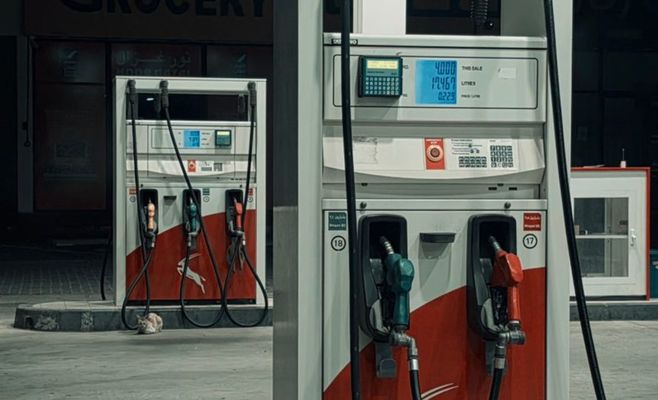
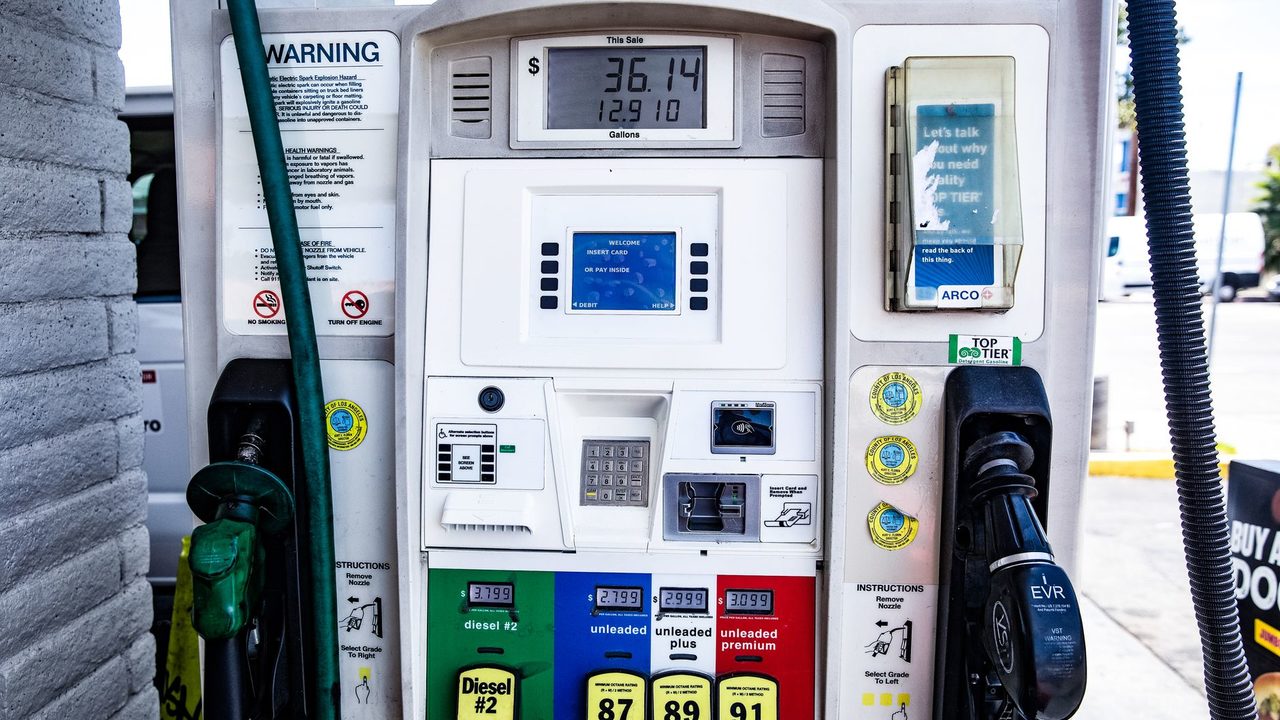
Diesel prices are already far above last year's. AAA data cited by ABC News show the national average hit a record $6.53 a gallon on Sept. 22. It stood at nearly $6.28 on Friday, compared with almost $3.68 at this time last year.
Diesel powers many freight and delivery networks, so higher prices move through the economy. ABC News reported that some businesses have already added fees to online orders and packages in the mail. Perishable foods such as meat and produce face some of the most immediate pressure, because they are hauled and restocked often or may be harvested with diesel-powered farm equipment.
The experts quoted did not expect the deal to reverse those pressures. Truckers, ranchers and farmers, who have been hit hard by the price increases, may not see much change either, according to Michael Lynch of the Energy Policy Research Foundation. He said the best case would be a small dip in some local markets, such as the New York-New Jersey area and possibly Philadelphia.
Why experts doubt the price relief
Lynch said that if the U.S. receives Russian diesel, Russia's existing customers will lose that supply and have to look elsewhere, which would leave prices about where they are. He described the deal as "shuffling deck chairs on the Titanic," arguing that it moves oil around without changing prices globally or across the U.S.
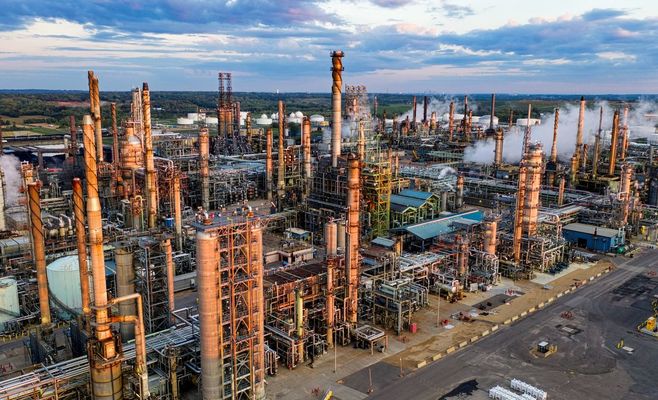
Daniel Sternoff of the Columbia Center on Global Energy Policy gave a somewhat different view. Russia banned diesel exports in July after Ukrainian drone strikes on its refineries. If Russia now believes it can resume exports, Sternoff said, that would help stabilize global diesel prices.
Even so, he said prices are likely to stay high. Much Middle Eastern refining capacity is unavailable to world markets because of disruptions in the Strait of Hormuz during the U.S.-Iran war, now in its eighth month, according to ABC News. Sternoff said refined products like diesel are still at barely half of prewar levels. Extra Russian barrels might take the edge off prices, he said, but would not substantially lower them.
Who benefits, according to analysts
Clayton Seigle of the Center for Strategic and International Studies said the main beneficiary is likely to be Russia. He noted that Moscow is trying to move its summer-grade diesel in order to make room for the heavier winter and arctic grades it will need in the coming months.
Seigle said he did not expect the volumes to materially lower prices in the U.S. or Europe. But he said the deal eases the squeeze on Russian revenue.
What's at stake politically
The prices are a growing problem for Trump and the Republican Party ahead of the Nov. 3 midterm elections. An AP-NORC poll released last week found the president's approval ratings on the economy at a new low, as the Iran war and his trade battles have raised prices for oil and other goods, ABC News reported.
The next marker is the November shipment of 500,000 tons that Trump described. The experts quoted said that, even if the deliveries go ahead as outlined, they do not expect much change in what consumers pay.
Source: ABC News