Houthi Strikes on Saudi Airports Raise Fears of a Wider Yemen War
USD 21,75
Popular
A missile attack by Yemen's Iran-backed Houthi rebels on King Khalid International Airport in Riyadh killed 13 people and injured more than 300 on Saturday, according to The Guardian. A day later, another projectile hit the airport's Terminal 4. The strikes have raised the prospect of a wider war in Yemen, with possible involvement by the United States.
What happened at the Riyadh airport?
The Guardian reported that Saturday's strike was the deadliest attack on a Gulf country since the war with Iran began in March. The Houthis claimed responsibility for several attacks on the airport, including that one. Videos on social media showed travelers walking through debris as sirens sounded.
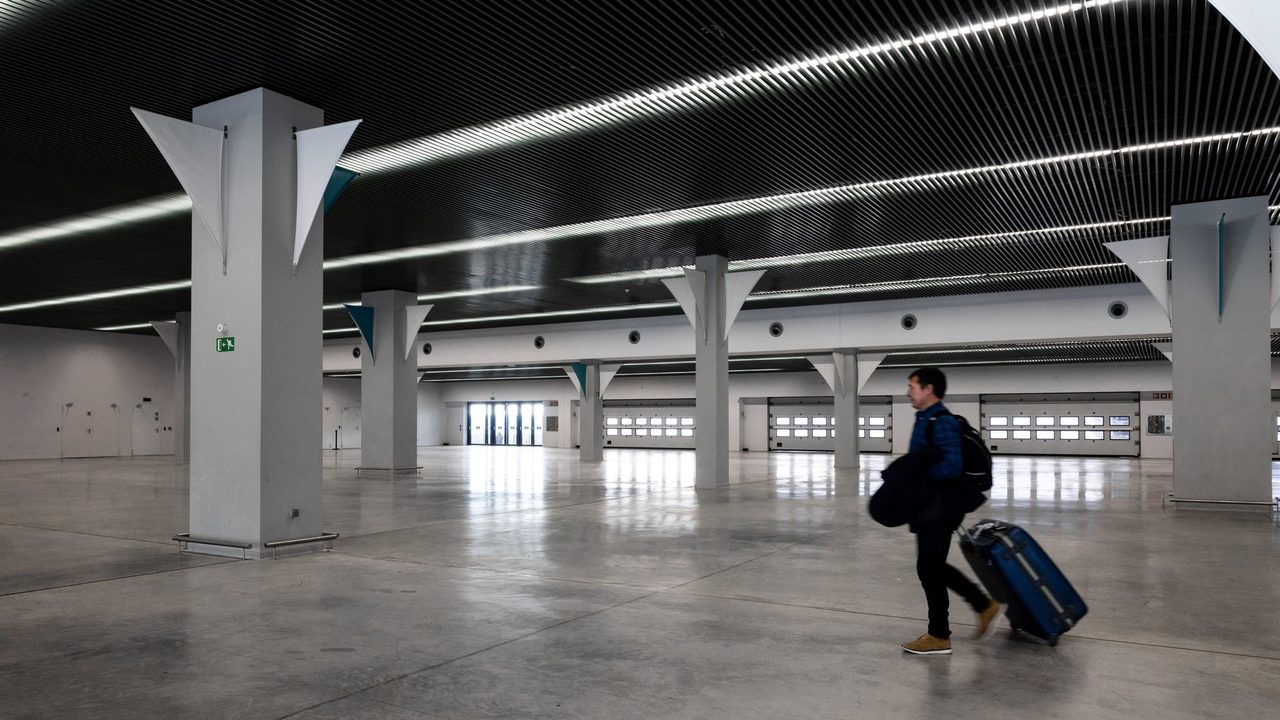
On Sunday, an unidentified projectile struck Terminal 4 and started a fire, Saudi civil aviation authorities said. One person was killed and 11 were injured. Air defenses also intercepted a cruise missile near the airport. Saudi authorities later confirmed that King Fahd International Airport in Dammam had been attacked, and said damage assessments were continuing.
Those killed on Saturday came from many countries, including Saudi Arabia, Bangladesh, Egypt, Jordan, Syria, Sudan and the United States, along with a Palestinian. The Indian embassy said one of its citizens died Sunday of wounds from the attack. Egyptian state TV identified one victim as Azza Ramzy, 28, a flight attendant for Flynas.
How have Saudi Arabia and the Houthis responded?
The spokesperson for the Saudi-led coalition in Yemen, Maj. Gen. Turki al-Maliki, said the coalition would respond firmly, offering few details. Saudi authorities extended the airport closure and said schools would move online until Thursday.
The Houthis said a Saudi airstrike hit the airport in the rebel-held capital, Sanaa, on Sunday. They also said a strike on a home in the city killed a child and wounded six others. They gave no further information on damage or casualties, and the Guardian did not independently confirm the claims.
The group warned airlines, passengers and staff to avoid Saudi airports and airspace. It said "the worst is yet to come" if Saudi military action in Yemen continues.
Could the United States join the fighting?
President Donald Trump said after Saturday's attack that he was considering joining the Saudi campaign, telling reporters, "We're going to look into it." He said he would speak with Saudi Crown Prince Mohammed bin Salman.
According to the Guardian, the U.S. already helps with intelligence and targeting, and about 200 U.S. military advisers are in Saudi Arabia. Until now, American forces have not directly fought the Houthis. The Guardian reported that direct involvement could lead the group to resume attacks on ships in the Bab al-Mandab strait, which carries about 10% of global maritime goods. It also noted that Trump faces November midterm elections with an unpopular war and high prices at home.
What is happening on the ground in Yemen?
Saudi Arabia is already carrying out airstrikes against the Houthis. The Houthi-run health ministry said coalition strikes over the past six weeks had killed 91 Yemenis and wounded 168, and that 60% of the casualties were women and children. That figure comes from one side of the conflict and was not independently verified in the report.
Saudi-backed Yemeni government forces have launched a campaign to push the Houthis back from territory the group captured over the past month. Despite claims of early successes, they have not loosened the Houthis' hold on areas near the Bab al-Mandab strait, such as Perim Island, the Guardian reported.
What this means for travelers and energy markets
The British embassy in Saudi Arabia advised against all but essential travel to Jeddah and Dammam and urged people to avoid almost all airports in the country. With the Riyadh airport closed and the Houthis openly threatening Saudi airports, air travel to and within the kingdom is in doubt.
The attacks also reach Saudi energy infrastructure. The Guardian reported that governments face pressure over oil prices, which were already high because of the U.S.-Iran war. European Commission President Ursula von der Leyen said Iran's proxies were pushing the region into a spiral of violence and threatening key global transport and energy hubs. U.N. Secretary-General António Guterres also condemned the attack.
The Guardian said the escalation threatens to draw more countries into the Yemen conflict and widen the regional fallout of the U.S.-Iran war, which has already spread to Lebanon and Iraq.
Source: The Guardian