Lewis Pugh Swims the Strait of Hormuz Amid Tanker Attacks to Spotlight Wildlife Risk
USD 22,26
Popular
British endurance swimmer Lewis Pugh spent three days this week swimming parts of the Strait of Hormuz while tankers were attacked and set ablaze close by, The Associated Press reported. Pugh says he wanted to draw attention to the damage the war with Iran could do to the waterway's wildlife, coastline and reefs for years to come.
Pugh, a United Nations Patron of the Oceans, is believed to be the first person to attempt a long-distance swim in the strait since the war began, according to The Independent and ABC News, which both carried the AP account.
The swim by the numbers
- 15 kilometers (9.3 miles): the approximate total distance Pugh covered, starting from the Musandam peninsula on the southern tip of the strait and finishing by rounding the Cape of Hormuz.
- Three days: the swim was split into sections as a safety measure, with about six and a half hours in the water overall.
- 56: Pugh's age. The sources describe him as an athlete with some 40 years of swimming in places from Antarctica to the English Channel.
- 2 million barrels: the amount of oil carried by one tanker that struck a sea mine last month, one of several vessels hit by mines the sources attribute to Tehran.
- Feb. 28: the date the U.S. and Israel launched the war, according to the AP account. Before that, a fifth of all oil traded passed through the strait.
What happened in the water
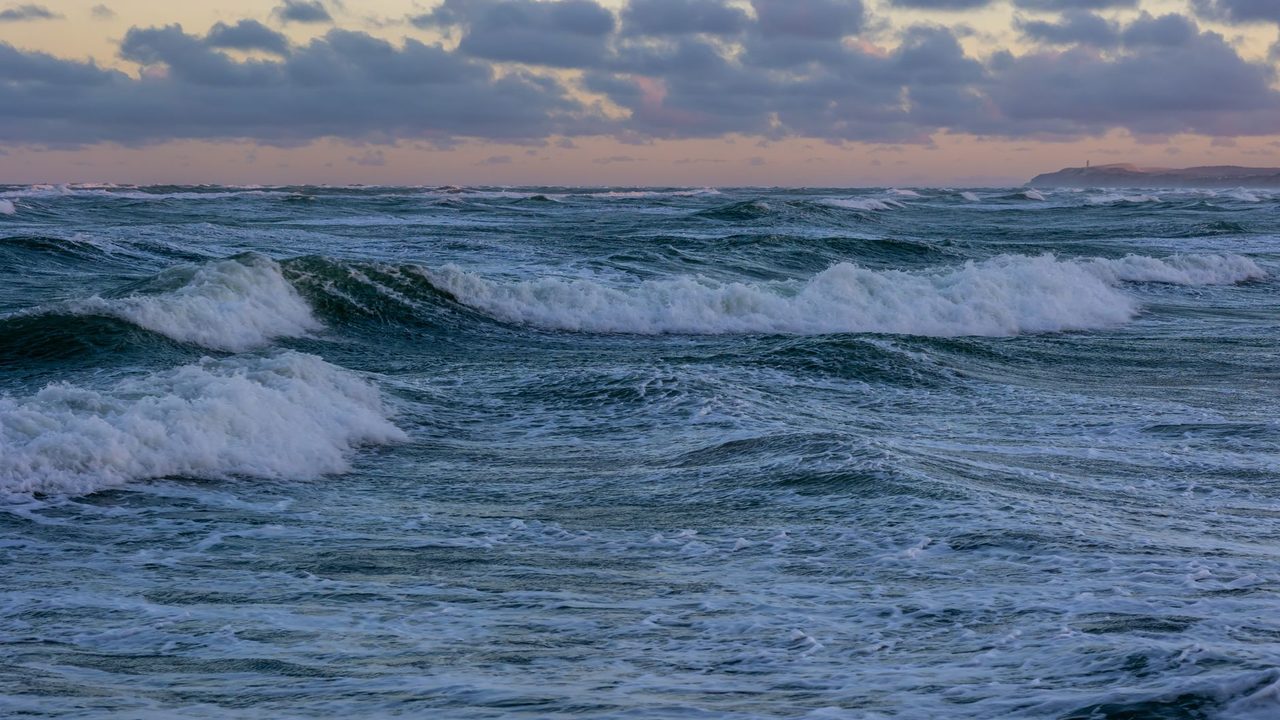
Pugh told the AP that only minutes after he entered the water on Monday he heard two loud explosions. An oil tanker roughly four kilometers away had been hit, he said, and fighter jets arrived soon afterward. He said he realized the group had to leave immediately.
He finished the swim after repeated stops and restarts. He passed another vessel that sent fireballs into the sky after an attack. On the second day, as he returned to the harbor, he saw a gas carrier struck. He described the smell of chemicals and flames rising from the ship, and said the water around it was on fire.
Pugh did the swim in swimming trunks, goggles and a cap bearing the U.N. logo. Reports say he told the AP about the experience after returning to London.
What is behind the attacks
According to the AP account, Iran has stepped up attacks in recent weeks on vessels it says used unauthorized routes through the strait. The reports say Tehran is trying to impose its control over the passage. Several tankers have also hit sea mines that the sources say Tehran laid, and in some cases they exploded and burned.
Why it matters: the environmental stakes
Pugh warned that oil leaking from the dozens of tankers damaged since February could cause lasting harm to animals, coastlines, coral reefs and mangrove forests. Chemical pollution is very hard to clean up, he said, and “It lasts for generations.”
He said that most people think of the strait only as a shipping lane. He described it as one of the most beautiful places he has visited and a treasure trove of the natural world. He recalled large numbers of dolphins following his boat as he sailed in, along with turtles and ospreys, and said he had seen hundreds of turtles on a swim along the Omani coast before the war.
For readers far from the Gulf, the story is a reminder that the conflict's costs are not limited to shipping and oil supply. Pugh argues that the ecological damage from sunk and burning vessels will outlast the fighting itself, and that recovery of the area could take years or decades.
Who Pugh is and what he wants
Pugh has spent roughly 40 years swimming in places such as Antarctica, the Red Sea and the English Channel to press for protection of the oceans from climate change, pollution and loss of biodiversity. He was the first athlete to swim across the North Pole and to complete a long-distance swim in every one of the world's oceans. In 2023, he swam all 315 miles (507 kilometers) of the Hudson River to promote clean rivers.
His foundation says his challenges have helped secure official agreements to protect more than 3.5 million square kilometers (about 1.35 million square miles) of vulnerable ocean. Some have called his mix of epic swims and political outreach “Speedo diplomacy.”
Pugh said sport can open doors and start conversations about difficult issues. His message, he said, is simple: end the war, reopen the strait and clean up the pollution.
Around Prague, based on reporting by The Independent, ABC News