King Charles to Pay Mansion Tax on Royal Properties Despite Crown Exemption
USD 22,26
Popular
King Charles will pay England's new “mansion tax” on relevant royal properties even though the Crown is legally exempt from it, The Telegraph reported Friday. The surcharge takes effect in April 2028, and the paper said the King's decision has been shared with the Treasury.
The Telegraph said the move reflects the King's ongoing commitment to greater transparency and accountability.
What the surcharge is
The high-value council tax surcharge was introduced in 2025 by Rachel Reeves, then chancellor, at her final Budget, according to The Telegraph. It is expected to apply to an estimated 165,000 homes in England, with annual bills ranging from £2,500 to £7,500.
The News International reported that the charge starts in 2028 at £2,500 a year for properties valued at more than £2 million and rises to £7,500 for properties worth more than £5 million. The same outlet noted that The Times reported in September that the government was considering extending the surcharge to properties worth more than £1.5 million.
Which royal properties are affected
The monarch does not have to pay tax, but the sources describe a long-running habit of doing so voluntarily. Since the 1990s, first Elizabeth II and then Charles have paid income tax and capital gains tax. Country and Town House said the King is following in his mother's footsteps.
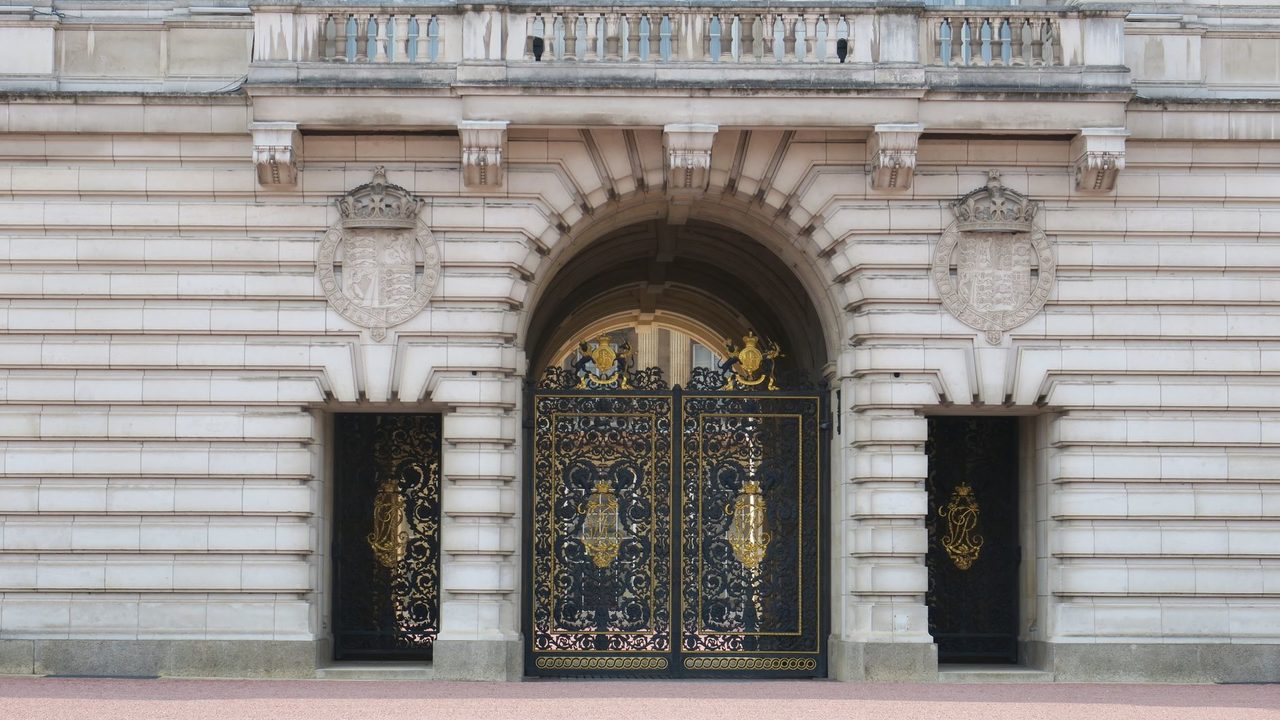
Not every royal residence would be covered. Buckingham Palace and Windsor Castle are held by the Crown Estate on behalf of the monarch, according to The News International and Country and Town House. Sandringham and Balmoral are owned by the King, who inherited them from his mother. Country and Town House said the Crown Estate properties would not count, while Sandringham and Balmoral would. The Telegraph said the King will pay on all relevant royal properties.
What this means for taxpayers
For ordinary homeowners, nothing about the surcharge itself changes because of the King's decision. It remains an annual charge on high-value homes in England, with bills of between £2,500 and £7,500 a year and an estimated 165,000 homes affected, per The Telegraph.
What the decision does change is the Crown's position. The sources say the Crown is legally exempt from the surcharge, so the King is choosing to pay something he is not obliged to pay. The Telegraph said the decision was shared with the Treasury in advance of the surcharge coming into force.
The voluntary payment follows earlier steps on royal finances. Country and Town House reported that the Palace published the King's tax bill in June this year in what it described as a first-of-its-kind move, and that the decision to pay income and capital gains tax cost him £12.9 million in the 2024-25 tax year.
What happens next
The surcharge is due to come into force in April 2028. The Telegraph's tax expert called the King's offer to give up Crown immunity on this tax “a nice gesture,” as quoted by The News International.
Until then, the measure stays as announced: an annual surcharge on high-value council tax bands in England, with the King's relevant properties now included by choice rather than by law.
Around Prague, based on reporting by The Telegraph, The News International, Country and Town House