Jackie Dunleavy Murder: London, Ontario Police Name Killer in 1968 Cold Case
USD 22,28
Popular
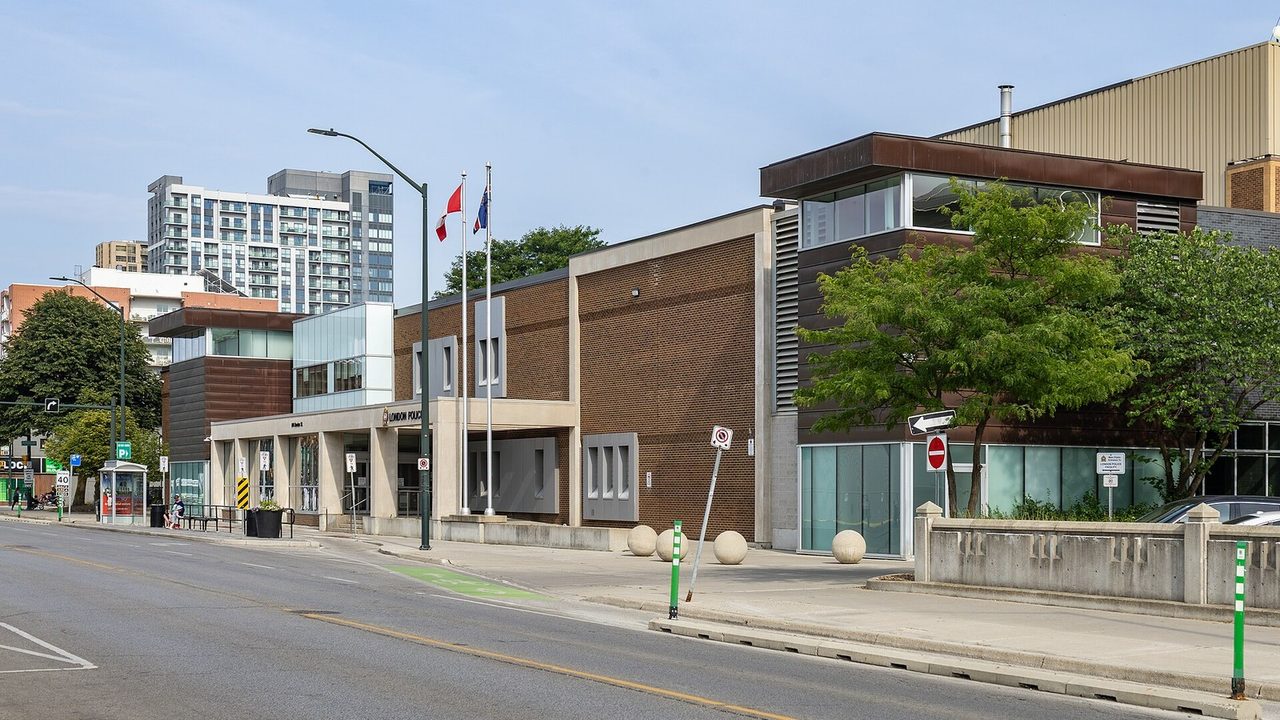
Police in London, Ontario, say they have solved the 1968 murder of 16-year-old Jacqueline "Jackie" Dunleavy, naming an Irish-born man who died in 2018 as her killer. According to The Irish Times and TheJournal.ie, investigators reached the conclusion after a cold case review that used modern DNA testing and genetic genealogy.
The man, Michael Joseph Moore, was never charged. Police said no criminal charges can be laid because he is dead, but they are confident the evidence would have supported an arrest and a charge had he been alive.
What happened to Jackie Dunleavy?
The Irish Times reported that Dunleavy was killed on the night of Jan. 9, 1968, after finishing a shift at a shop in London, a city in the Canadian province of Ontario.
Reports differ slightly on the details. TheJournal.ie said three youths found her and that the school grounds are now known as the site of Matthews Hall on Oxford Street. The Irish Times said she was found unresponsive and pronounced dead at the scene. Both outlets reported that she had a head injury but that a postmortem found she died of strangulation.
How did police identify Moore?
Detective Mike Budzyn of the London Police Service's major crime section, the current lead investigator, explained the method. Specialized forensic testing found distant genetic relatives linked to the DNA profile of the unknown suspect. Genealogical research then built family trees that narrowed the inquiry to a possible suspect.
Budzyn said police also carried out more interviews, gathered new evidence and obtained DNA samples for comparison. TheJournal.ie reported that the new testing was done on preserved evidence from the case. Police said the killing was thoroughly investigated at the time, but the offender was not caught, and the case stayed unsolved for decades.
Who was Michael Joseph Moore?
Police said Moore was born in Ireland in 1942 and emigrated to Canada in January 1967. He moved into an apartment on Springbank Drive that May. He was 25 at the time of the killing, having lived in London for less than a year. The Irish Times reported that he later worked as a firefighter in the city. He died in 2018, before police identified him.
Why did police name a man who cannot be charged?
London Police said the decision to name him "was not made lightly." The force said it was taken in the public interest and for transparency. In a statement, it said naming Moore provides an accurate historical record and answers that Dunleavy's family and the community have sought for decades.
Because Moore died before being identified, no court proceedings will follow. The conclusions come from the police investigation.
Why does it matter?
For Dunleavy's family and the London community, the announcement closes a case that stayed open for almost 60 years. It also shows how genetic genealogy, which uses DNA matches among distant relatives to build family trees, can help police revisit very old cases using preserved evidence.
The force said publicity could also help. It suggested that people may recall information about Moore that could be useful, and it asked anyone who knew him or has information about him to come forward.
What happens next?
Police have appealed to anyone who knew Moore to contact them. No charges or trial are possible, and the sources do not mention further steps.
Read next
Kenyan Court Convicts Cult Leader Paul Mackenzie of Murder: How the Shakahola Case Unfolded
What We Know After Police Closed the Hayden Panettiere Death Case
Nine Dead in Erie Shooting: What Police Have Said So Far
Around Prague, based on reporting by TheJournal.ie, The Irish Times
Cover photo: Chris Woodrich / Wikimedia Commons, CC BY-SA 4.0, cropped