Villavicencio Car Bomb Injures 23 as Colombia's Violence Reaches Cities
USD 22,28
Popular
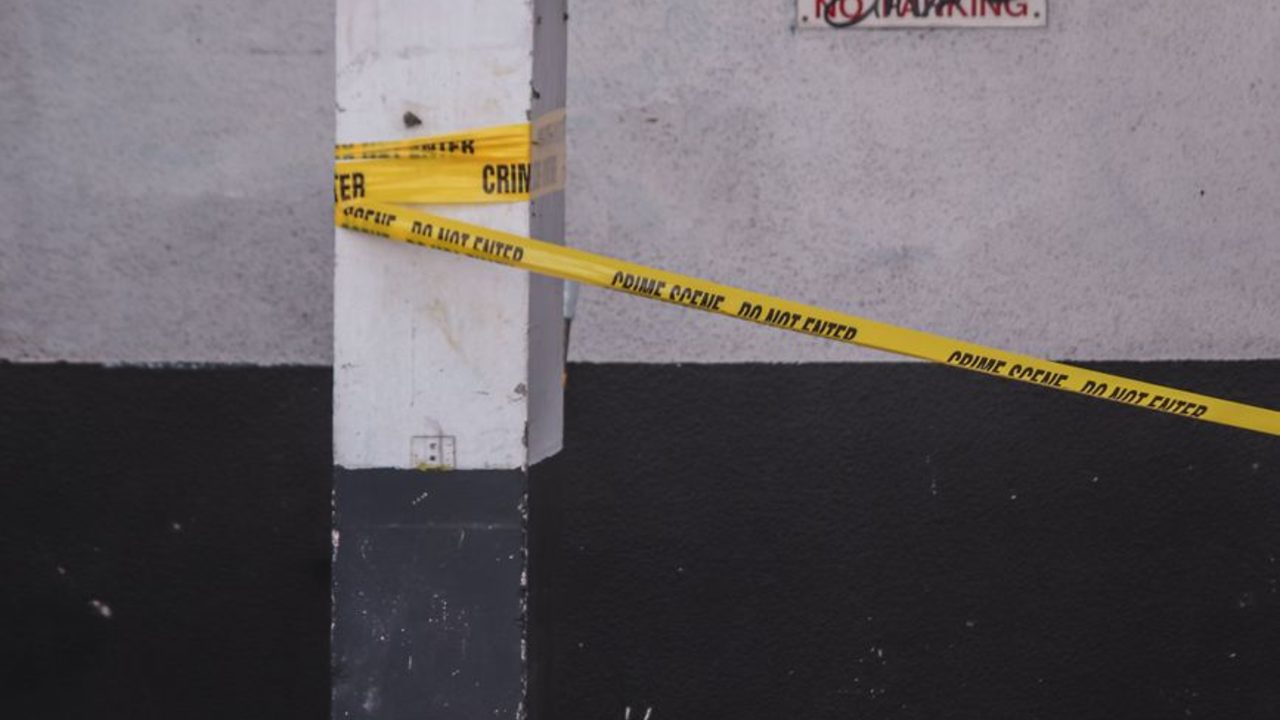
A car bomb exploded outside regional government offices in the Colombian city of Villavicencio on Monday night, injuring 23 people, according to ABC News and the BBC. No group has claimed responsibility, and authorities say the attack is still under investigation.
The blast came as armed groups appear to be carrying their campaign into urban areas, and on the eve of the 10th anniversary of Colombia's peace deal with the FARC rebels. That timing has sharpened an argument over what is behind the country's renewed violence.
What happened in Villavicencio
The bomb went off in the city centre and damaged several buildings, the BBC reported. Authorities first counted 19 injured before raising the toll to 23, according to ABC News. Villavicencio has a population of half a million people and is a major agricultural and commercial hub on the edge of the Amazon rainforest, where armed groups have long fought over drug trafficking routes, cattle ranches and palm plantations.
Mayor Alexander Baquero told the Colombian radio station Blu that he believed a FARC holdout group active in Meta province may have carried out the attack in retaliation for military strikes against it. That is the mayor's assessment, not a finding by investigators.
The BBC reported that earlier on Monday, drones dropped explosives on the police headquarters in the northern city of Cúcuta. Three weeks ago, a car bomb near army barracks in Tolima province killed three adults and a baby.
The president's position
President Abelardo de la Espriella blamed what he called narcoterrorism and promised a forceful response. In a post on X, he said those responsible would pay for the blood they had shed and the buildings they had destroyed. He also vowed on Tuesday to step up operations against the rebel groups, ABC reported.
In his first three months in office, he has increased air strikes against drug gangs and rebels in rural areas and acted on military intelligence to capture several midlevel commanders, according to ABC. Armed groups have answered with drone attacks on police stations and military bases, rockets made from gas cylinders and roadside bombs.
The president has also been sharply critical of the 2016 agreement. The BBC reported that he has called it a “false peace” and, in a post shortly before news of the bombing spread, described it as a waste of public resources and the cause of the country's ruin. He was elected on a promise to crack down on armed groups and has criticized his predecessor's "total peace" strategy of negotiating with them. That effort, the BBC said, collapsed after several groups broke ceasefires.
The peace deal's architects push back
Former President Juan Manuel Santos, who signed the deal for the government, and Rodrigo Londoño, who signed for the FARC, defended it in an interview with BBC Mundo. Santos said De la Espriella was “totally wrong.”
Santos argued that today's violence is not a product of the agreement but the opposite. In his view, the problem is that the deal was never fully implemented.
Why it matters for Colombians
More than 14,000 fighters laid down their weapons under the 2016 agreement, ABC reported, and rural communities initially saw relief from the fighting. According to the BBC, forced displacement, child recruitment and attacks on security forces fell afterward. A significant number of FARC members rejected the deal and joined dissident groups, and violence has climbed in recent years as those factions and criminal groups compete for control of drug trafficking, illegal mining and extortion.
The Villavicencio bombing shows that fighting once concentrated in the countryside is reaching city centers, where government buildings sit among homes and businesses. The disagreement over its causes will shape how the government responds, since the president favors a harder military line and the deal's signatories point to unfinished implementation.
Read next
What We Know About the Deadly High-Speed Train Collision Near Toledo, Spain
What We Know About the Deadly Strike on a Ukrainian Aid Center
Spain Rail Crash: Official Toll Stands at 30 as Investigators Probe Cause