London Police Phone App Can Photograph Suspects Without Consent: Backers and Critics
USD 22,22
Popular
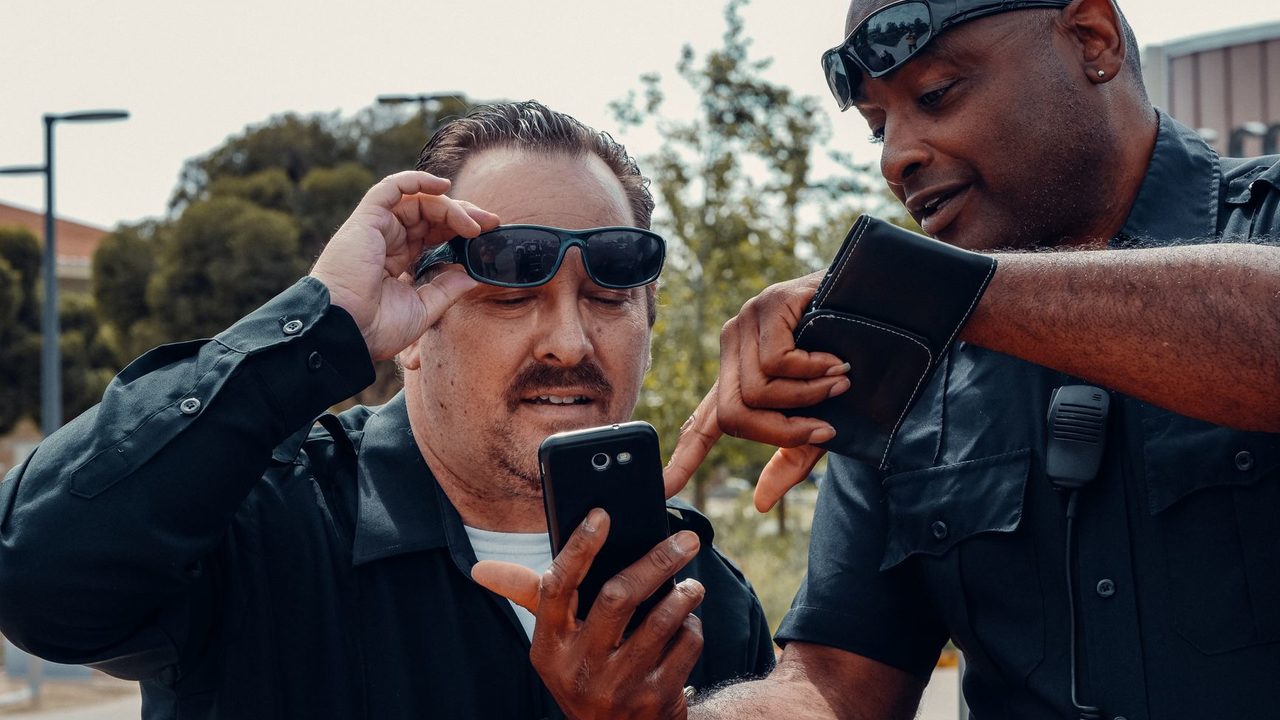
Police in London can now photograph a suspect on a smartphone, without that person's consent, and check the image against a database of around one million custody images. Metro reported that the Metropolitan Police, often called Scotland Yard or the Met, began a six-month pilot of the app on Tuesday.
Officers must tell people before taking their picture, but they do not need permission, Scotland Yard said. The force will review the pilot before deciding whether to roll the technology out more widely.
How the pilot works
The trial involves 100 officers, who can use the app to identify suspected offenders or people they believe may be at risk. According to Commander Nick John, an officer would use it if a person is unwilling or unable to confirm who they are, or if the officer thinks the person is not telling the truth. The officer photographs the person on a Met-issued phone, uploads the picture to the app and the app searches the custody image database.
Officers uploaded 15 photos during the first 24 hours of the pilot, which John said was “more than I was expecting.”
The Met has set limits. Officers have been told not to use force if someone covers their face. The pilot will not be used on anyone under 18, and the wider programme would exclude children under 13, Scotland Yard said.
What the Met says
John said the app would help officers identify people faster. He also stressed that the tool is not meant for photographing people from a distance who are not suspected of any offending. Metro reported his remark that officers will not be going around London doing so.
What critics say
Civil liberties and race equality groups have raised concerns. Metro reported that critics said the technology on officers' phones could affect ethnic minorities disproportionately and pointed to worries about racial bias.
Akiko Hart, director of the group Liberty, warned that the Met is putting “powerful surveillance technology in officers' pockets.” She said the approach combines the problems of stop-and-search with those of facial recognition, and argued there is already evidence that such devices are used disproportionately against marginalised communities.
Habib Kadiri, executive director of StopWatch UK, said he had seen no evidence that enough had been done to reduce the inherent racial bias in facial recognition technology. He said he suspects ethnic minorities will not feel safer knowing the tool will be used by an organisation he described as known to be institutionally racist.
What this means for people in London
For residents and visitors, the practical change is that an officer who stops someone and doubts their identity may now photograph them on the spot, after telling them, and run the picture against custody records. Refusing to show a face does not give officers grounds to use force, under the pilot's rules. Only people the officers believe may be suspected offenders or at risk are meant to be photographed, and the pilot excludes under-18s.
The pilot arrives as the use of facial recognition cameras has been expanded across London, including by police and by supermarkets such as Sainsbury's, Metro reported.
What's at stake
The pilot comes weeks after the government promised tougher protections to make sure police use of facial recognition is fair, safe and proportionate. Ministers also announced plans for a new watchdog to oversee the technology, with powers that could include banning forces from using it if they fail to meet standards.
The Met says it will evaluate the six-month trial before any decision on expansion, while critics argue the safeguards announced so far do not address concerns about bias.
Around Prague, based on reporting by Metro