Poland Opens Special Operations HQ After Flashlights Seen at Russian Border
USD 21,76
Popular
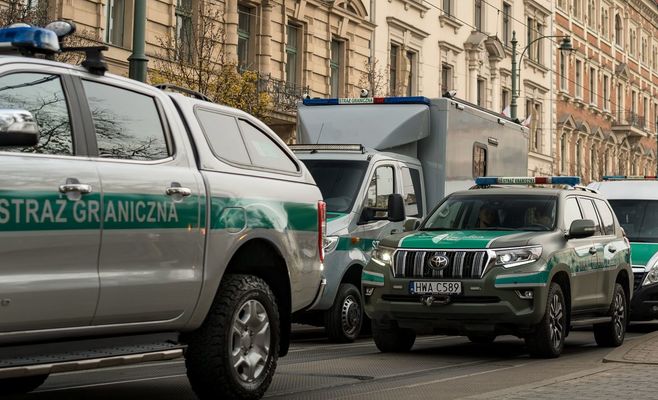
Poland has set up a special operations headquarters inside its National Police Headquarters to run the reinforced security effort on the border with Russia's Kaliningrad exclave, Ukrainian outlet Hromadske reported. The step follows an overnight incident near Sępopol, where border guards spotted people with flashlights on the Russian side. Prime Minister Donald Tusk said Tuesday that further provocations remain possible.
Here is what is known about the latest developments.
What happened near Sępopol?
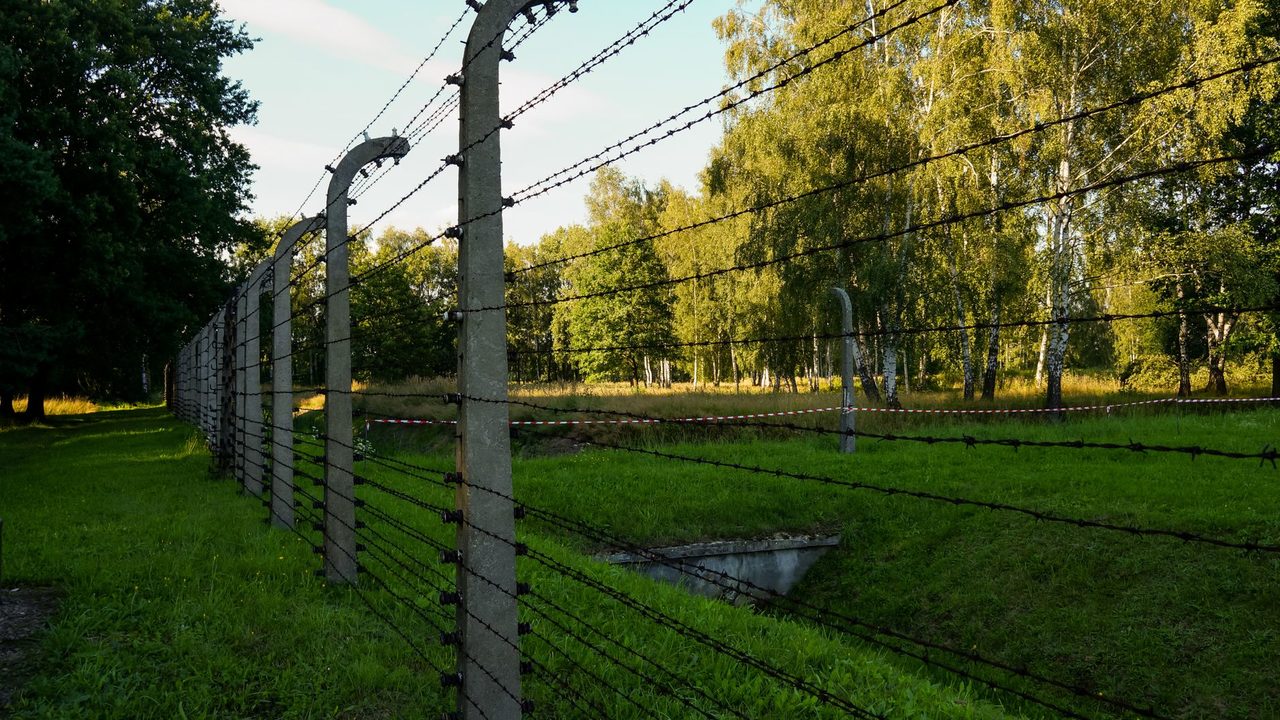
Tusk told a Cabinet meeting on Nov. 3 that suspicious activity was detected shortly after midnight near Sępopol, in northeastern Poland. Border guards saw individuals carrying flashlights on the Russian side of the frontier, and Polish authorities mobilized extra personnel in response.
According to Polish broadcaster RMF24, the individuals withdrew deeper into Kaliningrad and no one crossed the border.
Who were the people with the flashlights?
That has not been established. Hromadske reported that neither the identities nor the intentions of the individuals have been determined.
Tusk cautioned against reading the episode as a close call. He said it did not mean Poland had narrowly avoided a tragedy, but he warned that tensions and potential provocations from Russia could continue.
What is the new headquarters, and where does it operate?
Polish authorities have created the special operations headquarters within the National Police Headquarters. According to Hromadske, the operation covers the Warmian-Masurian and Podlaskie regions, and the Border Guard is taking part.
Tusk said the government had decided to send substantial police and counterterrorism forces to the border and to strengthen the Border Guard. He said this followed more precise information that incidents, including incursions into Polish territory by armed individuals, could occur in the first half of November, as RMF24 quoted him.
Who warned of possible incursions?
Tusk said both Polish and allied intelligence services had warned of potential provocations along the border with Kaliningrad. He added that Gen. Alexus Grynkewich, NATO's Supreme Allied Commander Europe, had also warned of such a scenario. The sources do not detail the content of those intelligence assessments.
What this means for the border regions
For people in the Warmian-Masurian and Podlaskie regions, the practical change is a heavier security presence: more police, counterterrorism units and Border Guard personnel, now coordinated from a dedicated headquarters. Tusk framed the measures as a response to specific warnings about the first half of November, not as a reaction to a confirmed attack.
The overnight sighting ended without a crossing, and no injuries or damage were reported. Officials have not said whether the people with flashlights were connected to the intelligence warnings.
What happens next?
The warning window Tusk cited covers the first half of November, so the reinforced posture is tied to that period. Tusk said provocations could continue, and the headquarters will coordinate the response across the two regions. Authorities have not disclosed how long the deployment will last or whether they will publish further findings about the Sępopol incident.
Earlier on Around Prague: Poland Sends Counterterrorism Units to Kaliningrad Border as Alert Continues
Around Prague, based on reporting by Hromadske