Poland Says Border Guards Blocked Suspected Provocation Near Kaliningrad
USD 21,76
Popular
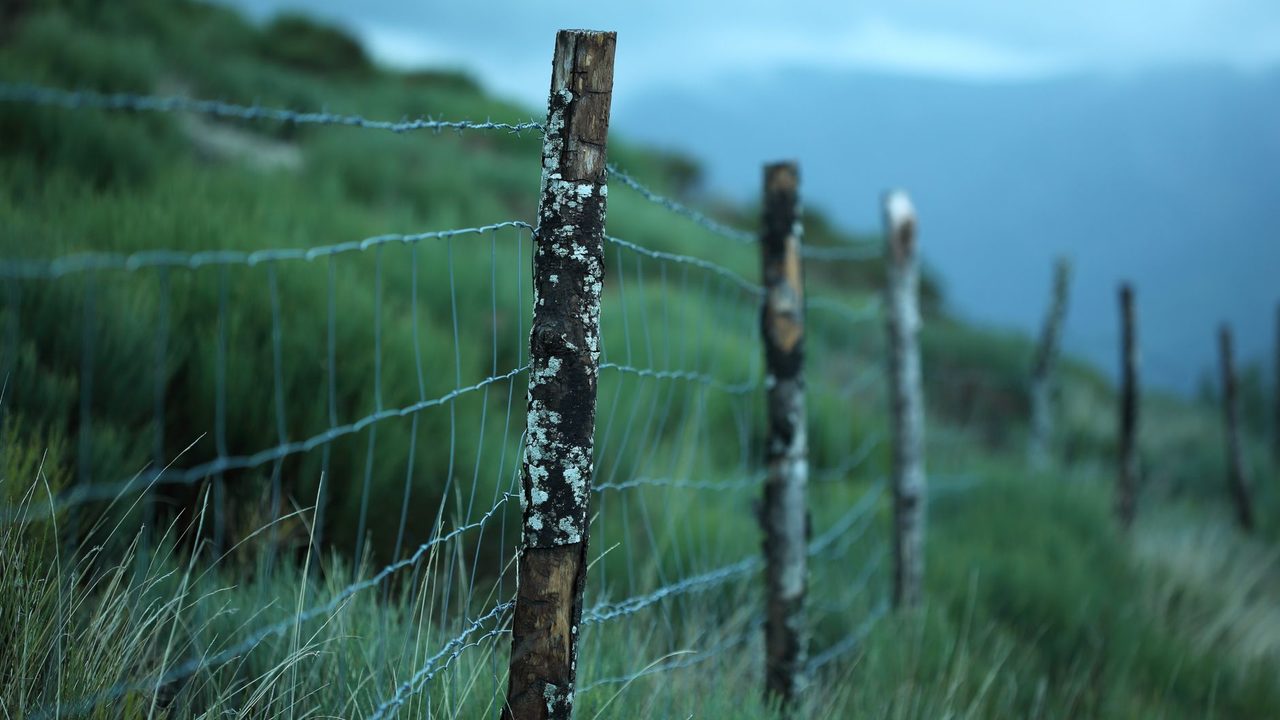
Polish Prime Minister Donald Tusk said on Tuesday that Poland prevented what appeared to be an attempted provocation overnight on its border with Russia's Kaliningrad exclave. According to the Associated Press, he gave few details but said border guards had spotted "individuals with flashlights" in the area and stopped any incident from happening.
Tusk cautioned that it was not possible to say with full certainty that the episode was a deliberate provocation. He added that he expects Russia's intensified escalation to continue and not to be limited to this one event.
What Tusk said happened on the border
Tusk said he received a report from border guards just after midnight about disturbing movement along the Polish-Russian border. He did not describe who the individuals were or what they were doing beyond the flashlights, and no further specifics were disclosed.
Poland is the largest member of NATO on the alliance's eastern flank. It borders Kaliningrad, a Russian exclave, to the north and Belarus, a close ally of Moscow, to the east.
A security operation already under way
The incident came as Polish authorities were already stepping up security. A police spokesperson told the AP that police, working with the military, border guards and intelligence services, had recently carried out additional preventive measures along Poland's borders with Russia and Belarus. The measures were focused on the northeastern regions of Warmia-Masuria and Podlaskie.
On Tuesday, Tusk confirmed that a special operation coordinated by the police was taking place in those two regions. He said extra police and other forces, including counter-terrorism units, had recently been sent to the northeastern border areas.
The warnings behind the deployment
Tusk said the reinforcements followed "more precise" information that acts of sabotage were possible in the first half of November. That included a potential incursion into Poland by armed people. He said Polish services and allied services had been sending such information for some time, pointing to the risk of diversionary acts, more serious provocations on the border with Russia, or sabotage orchestrated by hostile services.
He also said Gen. Alexus Grynkewich, NATO's Supreme Allied Commander in Europe, gave him further warnings about possible escalation during a visit to Warsaw in October.
Tusk has been warning for months that Russia might be preparing a more serious hybrid attack on a NATO country. He said his warnings have become more specific as he has received intelligence from NATO, Ukrainian and U.S. secret services, including the CIA.
Why it matters
For readers in the U.S. and the U.K., the main significance is that a NATO government is publicly describing a possible threat on the alliance's border and linking it to intelligence shared by allies, including the United States. The episode itself appears to have ended without an incident, and Tusk stressed that he could not confirm it was a provocation.
For people living in or traveling through the northeastern border regions, the visible change is a heavier security presence. Police, military and counter-terrorism units are operating there, and authorities have said the preventive work covers the borders with both Russia and Belarus. The reports do not describe any restrictions on movement or other effects on daily life.
The claims here come from Tusk and from a police spokesperson, and the AP reported that few details were provided. Russia's response was not included in the reports reviewed.
What to watch in the coming days
The period Tusk named as most at risk is the first half of November, so the special police operation and the additional deployments in Warmia-Masuria and Podlaskie are likely to remain in place during that time. Tusk said he expects further escalation by Russia, though he did not specify what form it might take.
Around Prague, based on reporting by The Killeen Daily Herald, ABC News, European Interest