Villa Vie Odyssey cruise halted, passengers put ashore in Cambodia
USD 21,81
Popular
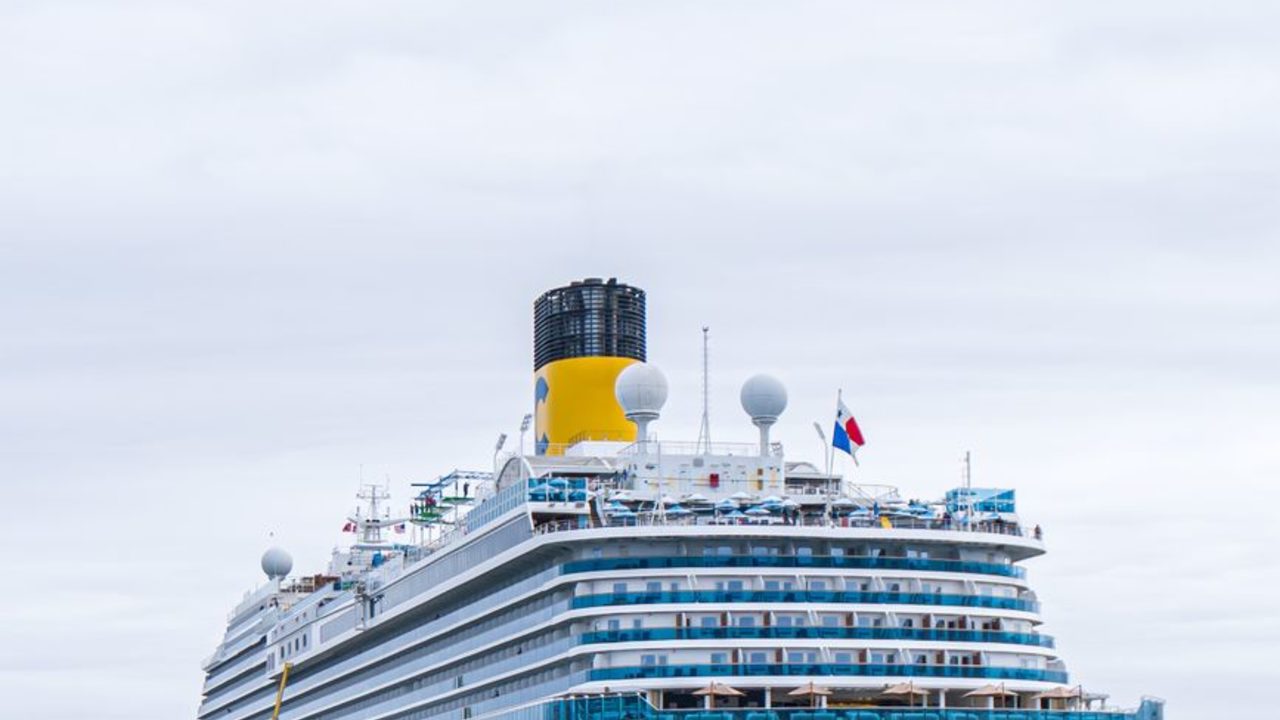
The company Villa Vie Residences announced on Tuesday morning that it was suspending operations of the liner Villa Vie Odyssey. On board were 203 passengers, mostly Americans, and 156 crew members. They had to leave the ship in the Cambodian port of Sihanoukville by evening, and were allowed to take only pets and whatever they could carry.
Many of the passengers sold their homes to spend their old age at sea, and they now do not expect to get their money back.
Fuel and the war with Iran
The Florida-based company explained its decision by the price of fuel, which jumped after the start of the war with Iran. According to company head Mikael Petterson, the Odyssey burns 700–800 tonnes of fuel a month. Before the war a tonne cost about 700 dollars; now it is up to three thousand. So instead of roughly 400,000 dollars a month, about two million went on fuel.
Passengers say the problem is not only the war between the US, Israel and Iran. Paul Montoya says that many people were sold cabins without monthly fees: the company received about 700,000 dollars a month from the rest, while running the ship, he says, cost more than three million.
Selling everything for a cabin
Paul, 68, and his wife Lynn, who is four years younger, from the US state of Wyoming, sold their house and cars to sail. The cabin cost them 179,000 dollars, and they paid about another six thousand a month in fees. “We spent a lot of time on business and raising children. This was a great chance to see the world,” Paul told US media. They were drawn by the unhurried pace: the ship stayed in port for up to three days.
Keith and Randy Cassingham, who also sold their house and nearly all their possessions, put in even more. By their account, the cabin cost 370,000–380,000 dollars, plus seven thousand a month. Asked whether they would see that money again, Keith told a US TV channel: “No, no, no.”
Warning signs
Passengers say they noticed signs of trouble long ago. According to Montoya, as early as April the company asked them for a loan for fuel, promising to repay it with interest, but the interest never came. In August in Singapore, Cassingham recounted, the firm announced there was not enough fuel to leave port, and the passengers chipped in for it. About three months ago the internet began to disappear, in Cambodia it was gone entirely, and the quality of the food declined.
Difficulties dogged the project from the start: the ship was supposed to leave Belfast in Northern Ireland in May 2024, but because of repairs it sailed several months later. Over three and a half years the company promised 425 stops in 147 countries.
What next
On Tuesday the company said it was trying to restructure and raise new capital, but there is no agreement yet and the outcome is unclear. Petterson told a US TV channel that the firm wants to file for Chapter 11 protection under US bankruptcy law. It lets a business keep operating and negotiate payment terms and amounts with creditors under court supervision. Those who paid for cabins will be among the creditors, but unsecured creditors in such proceedings usually wait a long time and get back only part of their money.
The company claims it is helping passengers find temporary housing, but Cassingham denies this: she says they are paying for food and lodging themselves. According to Cambodian authorities, the ship and crew are to refuel and sail on Saturday, but where to is still unclear.
The Montoyas are staying in a hotel in Sihanoukville. They want to live on the money they had set aside for monthly fees and spend some time in Malaysia. Lynn regrets most the money paid in for fuel. Still, she says, over 17 months they visited the most amazing places and met wonderful people.
Around Prague, based on reporting by seznamzpravy.cz