Arthur Hayes: how the BitMEX founder became a crypto billionaire
USD 21,66
Popular
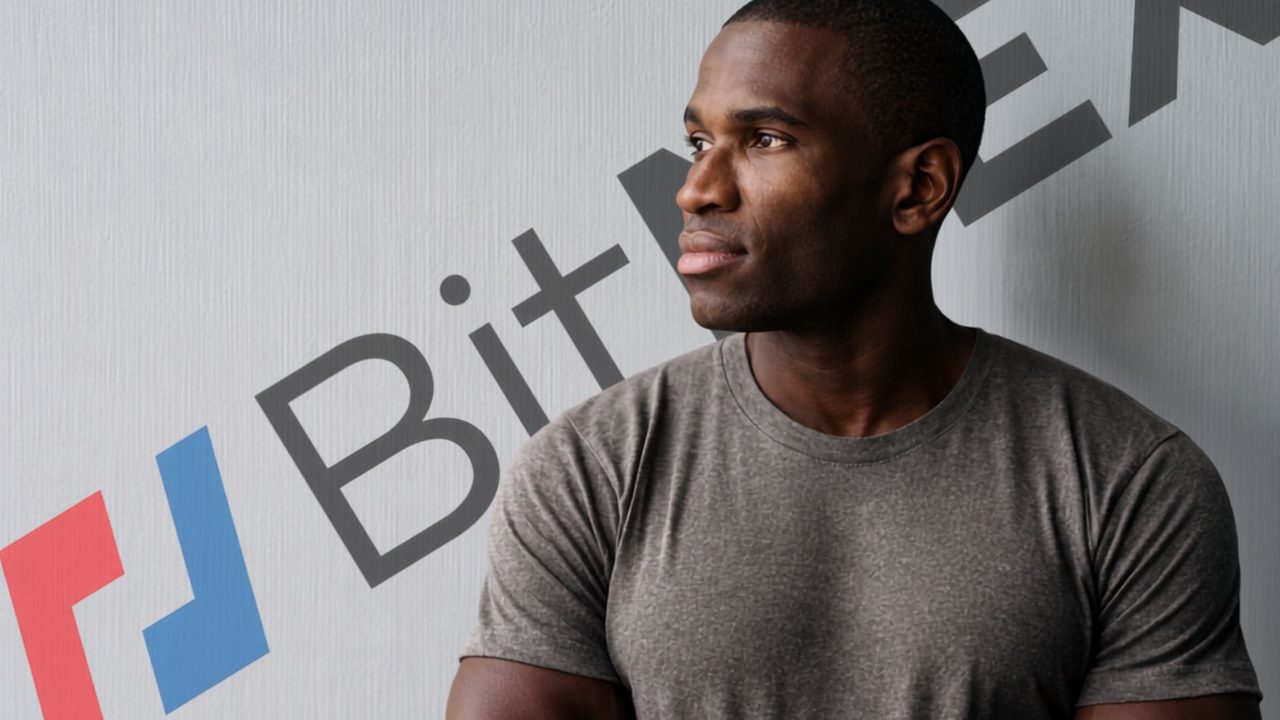
BitMEX founder Arthur Hayes has announced the closure of the platform that was once the world's largest crypto exchange by trading volume and made him the first crypto billionaire. BitMEX will cease operating on 23 September 2026, and new sign-ups have already been halted — the news sent the exchange's BMEX token crashing 90% within hours.
The story began in January 2014 in a rooftop bar in Hong Kong, where Hayes met British mathematician Ben Delo. American developer Samuel Reed soon joined the project — and the three of them launched the company with laptops in a Starbucks inside Hong Kong's Jardine House tower.
Hayes was born in 1985 in Detroit to parents who worked at General Motors, graduated from the prestigious Wharton School, and then traded derivatives and ETFs for Deutsche Bank and Citigroup in Hong Kong, where he was laid off in 2013. The idea for a crypto exchange took shape when he found himself physically carrying cash to Shenzhen to get a better rate exchanging bitcoin for yuan — and learned firsthand just how inconvenient that was.
BitMEX became famous for a product called the perpetual swap — a contract with no expiry date and leverage of up to 100 times the deposit. In June 2019 the exchange logged a record daily trading volume of $16 billion and, by its own account, became the largest trading platform in the world. The company leased the 45th floor of Hong Kong's Cheung Kong Center, and the office was decorated with a shark tank.
Hayes was dubbed the first crypto billionaire and a kind of financial genius. In 2018 he arrived at a crypto conference in New York in an orange Lamborghini, and a year later, in a heated exchange with economist Nouriel Roubini over why the exchange was registered in the unregulated Seychelles rather than in Europe or the US, he delivered his signature line: “The bribes would have cost me more there.”
The turning point came in October 2020, when the US Department of Justice charged Hayes and his partners with violating the Bank Secrecy Act. Prosecutors alleged the exchange knowingly served thousands of American clients without functioning anti-money-laundering controls — opening an account required nothing more than an email address. The arrest was dramatic: on the morning of 1 October 2020, FBI agents detained co-founder Samuel Reed in handcuffs outside his home near Boston, while Hayes and Delo were outside the US at the time.
In February 2022, Hayes, Delo, Reed and the company's former manager Gregory Dwyer pleaded guilty. Hayes received six months of home detention, two years of probation and a $10 million fine (roughly 212 million crowns). The exchange itself had already paid regulators $100 million, or about 2.1 billion crowns, back in 2021.
The final twist came on 28 March 2025, when Donald Trump pardoned all four convicted men. Hayes thanked the president in a brief post on X, while Delo was more expansive, calling the pardon a correction of a miscarriage of justice and saying all of them had been victims of political persecution. Now a story that began with three guys and their laptops in a Starbucks is ending with the closure of a platform that once upended the entire cryptocurrency market.