Jiří Koleňák on the cost of a rushed promotion for top specialists

USD 21,76
Popular
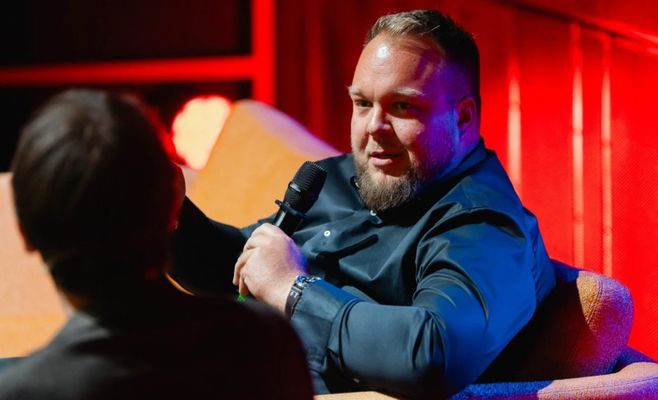
Jiří Koleňák, head of Newton University Group, warns that when companies make strong specialists managers without preparation, they risk losing both the expert and the money invested in the new role. In his words, management is a craft that has to be learned from scratch.
The main mistake Koleňák sees is the belief that success will come on its own. An experienced expert who gets promoted effectively starts out as a junior: about 80% of their day-to-day tasks change. “If a person isn’t given room to grow, they end up in a trap. The road is one-way: if you fail as a manager, you can’t go back to your old job, and you get fired. The company loses twice over: it loses its investment in the management role and a valuable specialist,” he explains.
Koleňák has run into such stories many times, first as a crisis manager and today as a consultant and executive coach. If a failed promotion does happen, you have to react quickly: for example, create a new role for the expert so as not to lose them. The ideal is a manager development system built in advance, along with watching whether a person is ready to work on themselves even before the promotion.
New tools alone are not enough, Koleňák stresses: you have to build a managerial mindset, and that is born only from contact with practice. That is exactly what traditional business education lacks. This is why Newton University, which trains future managers and entrepreneurs in Prague, Brno and Bratislava, combines accredited study with the reality of the market, including so-called top-up trainings inspired by international MBA, MSc. and LL.M. programmes.
A hackathon instead of lectures. One example of the new approach is the Business Leadership programme: a bachelor’s degree combined with personal development and entrepreneurial skills, with students’ growth constantly assessed. Part of the programme is a 24-hour hackathon: students get a task usually handled by the management of a partner company, and then an assessment shows how they would have coped with it.
“It’s no longer about passing on information – today it’s available in one click thanks to smartphones and AI – but about changing mindsets and attitudes. Students train this on real situations,” says Koleňák, who has worked at Newton University for 12 years and has headed it as director for the past two. Among other things, students are taught to manage their energy consciously: it’s not enough to get through an exhausting search for a solution, you also have to keep enough strength to present it convincingly to the referee.
During such exercises, twenty-somethings show a wish to work in a world with no hierarchy and no boss. But Koleňák has observed that within half an hour a leader emerges in the group anyway – and the group itself doesn’t notice. “By the tenth hour everyone sees how important the person setting the direction is. And the next morning they clearly understand why management is needed,” he smiles.
Koleňák believes young people need this experience so that, when they join companies as managers, they don’t turn into “comets” that flare up briefly and fly away when they meet the reality of how businesses and their structures work. He is convinced that Generation Z will one day run firms in a more egalitarian way, but for now they face a collision with established corporate practice.
By the Around Prague newsroom