Poland's Arlen to buy Czech shoemaker Prabos for 195m crowns
USD 21,65
Popular
Polish protective clothing maker Arlen intends to acquire a controlling stake in Czech footwear producer Prabos from Slavičín. The agreement with the company’s majority shareholder and CEO, Juraj Vozár, envisages a phased purchase of 75.06% of the shares for roughly 195 million crowns.
The deal is structured in two stages. In the first, Arlen will acquire 600,000 shares — 60% of the company — for €6.4 million (about 155 million crowns). The parties are tentatively planning to complete this phase by the end of September 2026, though the timeline could still change. In the second stage, no later than two years after the first deal closes, the Poles will buy out the remaining 150,625 shares at the same price per share.
So far only a memorandum has been signed, not a final agreement — the deal still has to be confirmed following a legal and tax due diligence review of Prabos, and the final documentation still needs to be agreed. So the final price and timeline could still change.
The purchase makes sense for Arlen: the two companies already work together supplying tactical, winter, sports and outdoor footwear for the Polish army, and the Polish group’s key customers include the military, police and fire services. Acquiring Prabos will let it complement its textile and protective clothing production with its own footwear capacity.
Under the terms of the memorandum, Vozár will remain at the helm of Prabos for at least two more years after the first stage of the deal closes — the plan is a gradual handover of the business and integration of the company’s footwear know-how into Arlen’s structure.
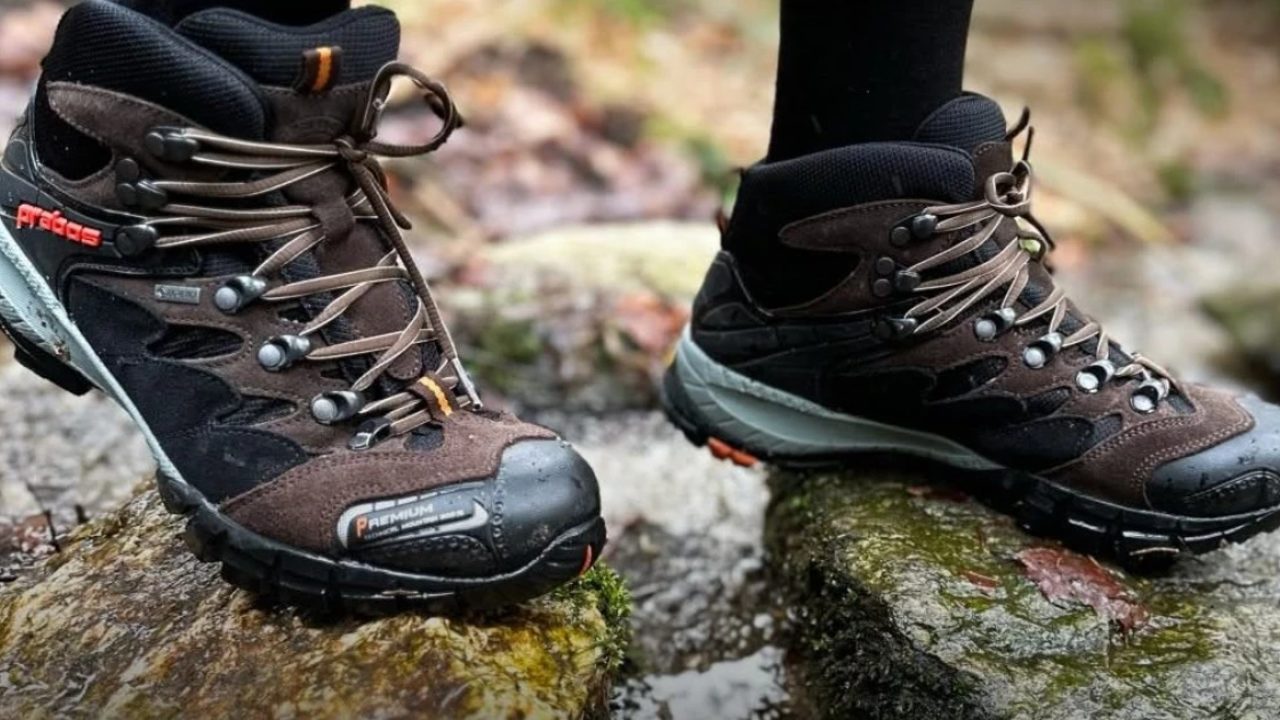
Prabos makes military, tactical, work and trekking footwear in Slavičín. In the first half of this year, revenue from its own products and services came to 157.9 million crowns, with goods sales bringing in a further 15.5 million. Pre-tax profit, however, fell almost 18% year-on-year, to 17.9 million crowns.
Prabos shares trade on the Start market of the Prague Stock Exchange. If the deal goes through as currently planned, Arlen will gain a decisive majority of votes, while about a quarter of the shares will remain with minority investors.