Michael Kaiser workshop in Prague: arts management lessons
USD 22,23
Popular
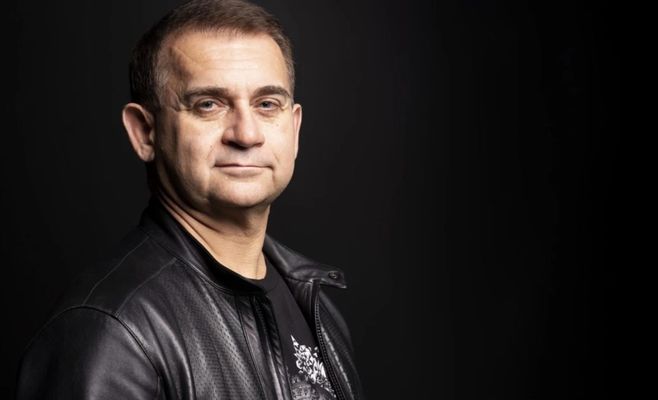
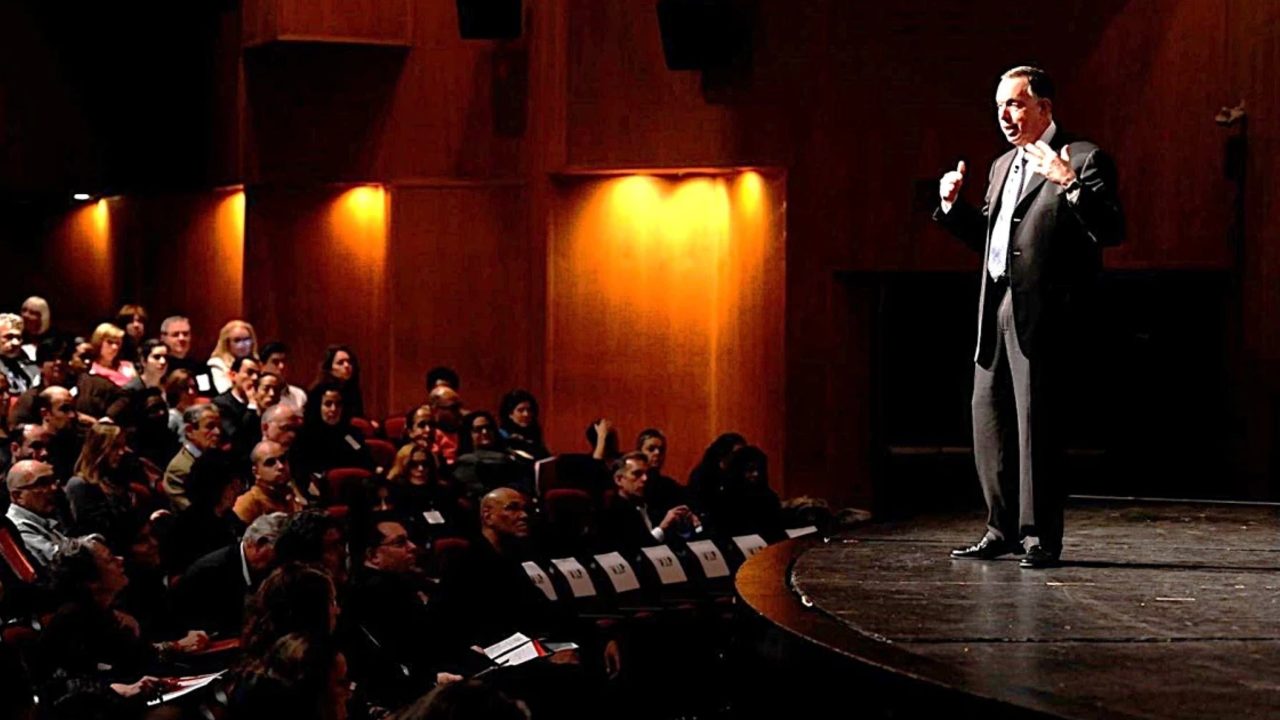
American arts manager Michael M. Kaiser, who has led the Kennedy Center in Washington, London's Royal Opera House and American Ballet Theatre, is coming to Prague. On Nov. 20 he will hold a workshop at the Old Town Hall for 70 representatives of the Czech cultural scene on how to run an arts organization successfully in the 21st century.
What do the Kennedy Center, the Royal Opera and American Ballet Theatre have in common? At different times, all of them were headed by one person, a specialist in crisis management in the arts. Kaiser pulled institutions out of financial trouble, raised millions of dollars from private donors and developed their artistic and educational programs.
From 1998 to 2001 he was chief executive of London's Royal Opera House, which brings together the Royal Opera and the Royal Ballet. Before that he ran American Ballet Theatre in New York and the Alvin Ailey American Dance Theater, and in 2001 he took over the John F. Kennedy Center for the Performing Arts in Washington, which he led until 2014.
It was in Washington that his approach showed its full force. During his tenure, the Kennedy Center's annual private fundraising grew from $23 million to $82 million. He also raised the first $125 million for a major expansion of the institution, and the center closed every year of his leadership with an operating surplus.
Kaiser came to the arts not only out of love for them: his career began in business. He studied economics at Brandeis University and management at the MIT Sloan School of Management, and founded the consulting firm Kaiser Associates, which helped large corporations with strategic planning. Its clients included General Motors and IBM.
Culture and business in one package. Experience in both the corporate world and the running of artistic institutions underlies his approach. Kaiser is convinced that cultural organizations need the same carefully considered strategic management as successful companies. Artistic quality is a prerequisite, but it is not enough on its own: an organization must know how to work with its audience, communicate its value, build relationships with donors and plan its funding for the long term.
Today Kaiser heads the DeVos Institute of Arts and Nonprofit Management, which he founded in 2001 at the Kennedy Center. The institute trains arts managers, provides consulting and helps nonprofit organizations grow. By his account, over the years it has helped thousands of people, organizations, governments and foundations in more than 80 countries.
One of Kaiser's best-known achievements is the The Cycle method, set out in his book of the same name. It combines artistic planning, marketing, fundraising and strategic management into a single system. Its core idea is that these areas cannot be run separately: the program must match the organization's long-term vision, marketing must attract and grow the audience, and fundraising must provide the money to carry out the plans.
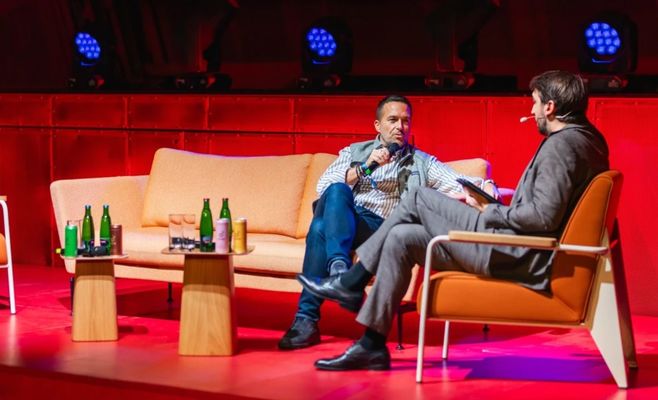
This is the method Kaiser will present in Prague. The workshop “How to Run a Successful Arts Organization in the 21st Century” will take place on Nov. 20 at the Old Town Hall as part of the Prague Sounds festival, at the invitation of the festival and the Czech Festival Association, with the support of the PPF Foundation.
Seventy selected figures from Czech culture will take part: heads of independent festivals and representatives of foundations and major music institutions. Besides the one-day educational program, a round table with an informal discussion is planned, along with a presentation on how to apply Kaiser's approach in European conditions.
By the Around Prague newsroom