Ondřej Bartoš: Rohlík could be worth $10 billion, Credo founder says
USD 22,18
Popular
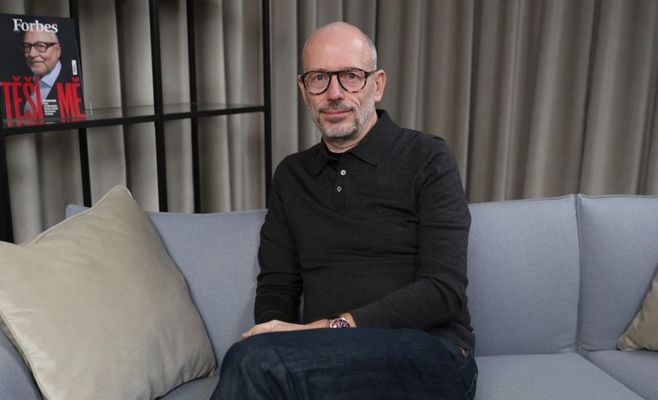
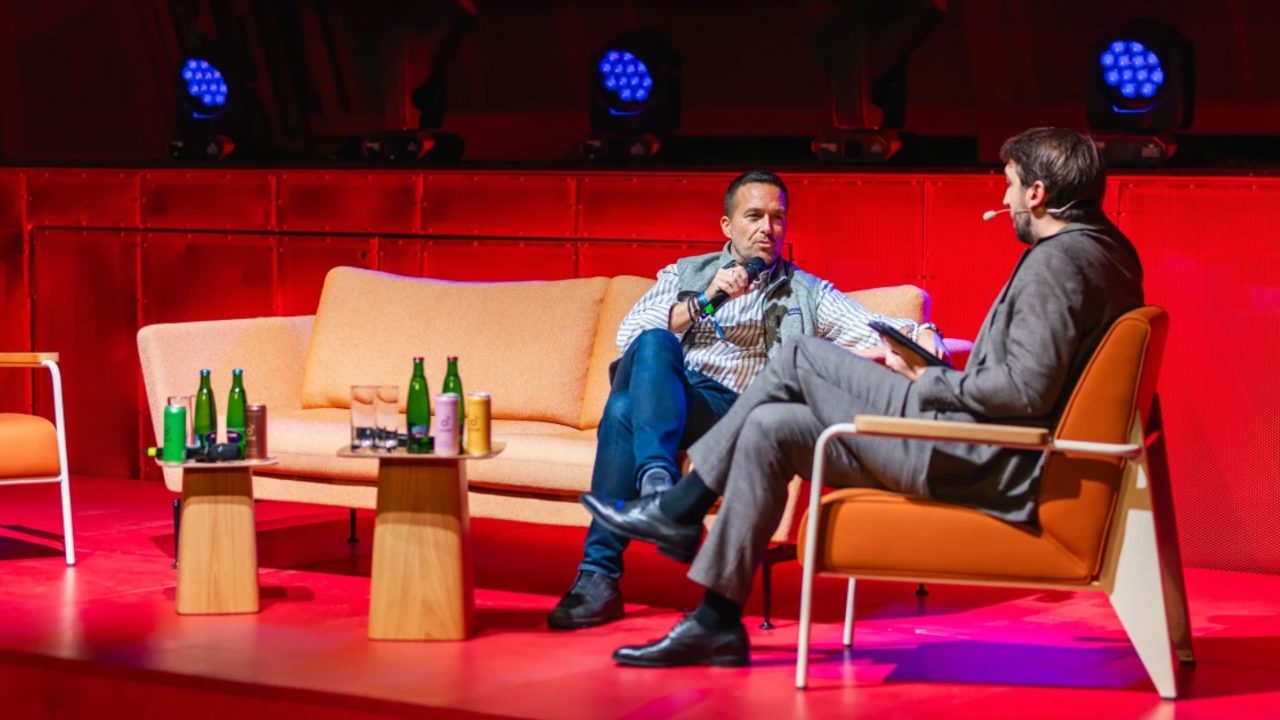
Ondřej Bartoš, founder of the Czech venture fund Credo, believes Rohlík could well grow to a value of ten billion dollars. He said so at the Lepší Česko conference, noting that the fund has not invested in the grocery delivery company, but expects a lot from the first “unicorn” in Czech history.
So far, the post-socialist countries of Europe have produced just three “decacorns” — startups worth more than ten billion dollars: the Romanian company UiPath, the Polish ElevenLabs, a leader in synthetic voice, and the writing assistant Grammarly, which has Ukrainian roots. Credo invested in the first two.
According to Bartoš, a company has emerged in Czechia that is the best in Europe, and possibly in the world, in a large segment of grocery delivery: “No other courier service works like this. I have tried them in many countries, and Rohlík delivers the best quality.” Back in 2021 he said that Rohlík did not fit the fund's investment strategy.
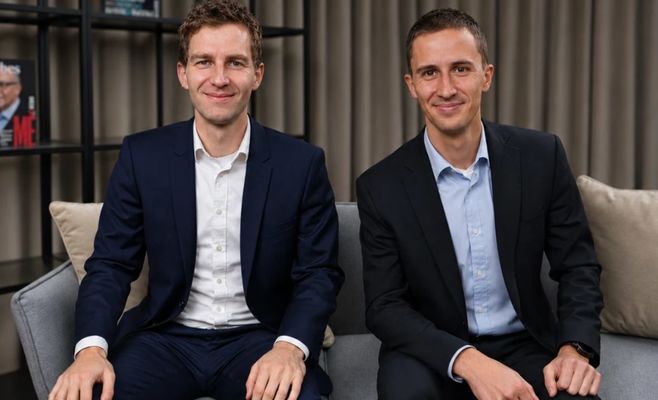
As a venture investor, Bartoš is already leaving the search for new potential Rohlíks to others: together with his co-founder Jan Habermann, he is gradually handing the leadership of Credo over to the next generation. In his words, the team is “considerably younger, hungrier and more hardworking”. The decision had been maturing for a long time, but the high-profile launch of ChatGPT in 2022 sped it up. Bartoš admitted he even felt slight relief that from then on everything would not rest on him and Habermann alone.
The initial enthusiasm for the possibilities of AI is increasingly joined by respect for the technology. “Or perhaps by more and more concern,” he added.
Speaking about what successful founders have in common, Bartoš named luck as the only shared factor: “They are all completely different, but they all have luck.” He does not deny ability, though: in most of them he sees intelligence, hard work and deep knowledge of the problem they are solving. An important lesson came from UiPath co-founder Daniel Dines, who instilled humility in the company from the start: “We are good and we know it, but careful, let's not get drunk on ourselves.”
Credo holds dozens of companies in its portfolio that will still need the attention of the current partners, so, by Bartoš's forecast, his exit will probably take about ten years: “It is not so easy to leave a venture fund.”
By the Around Prague newsroom