Czech entrepreneur builds vinyl business worth 250m crowns
USD 21,59
Popular
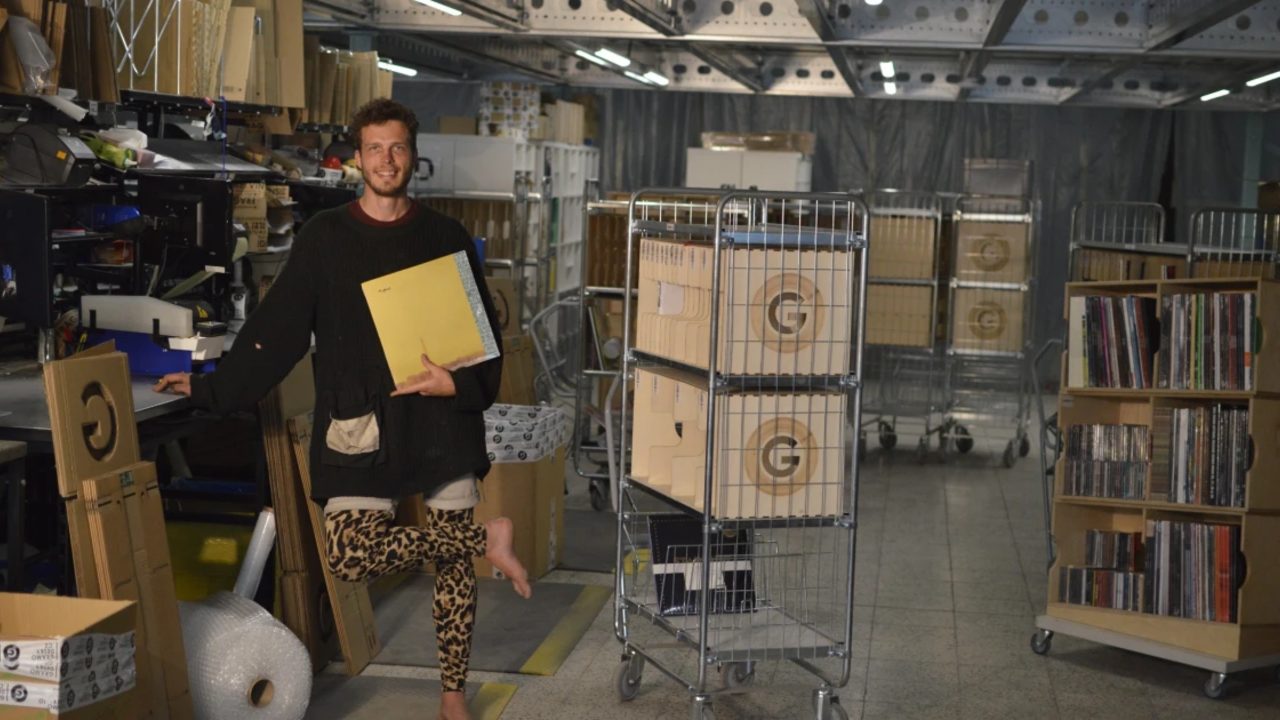
Czech entrepreneur Ondra Sanetrník has turned the vinyl record online shop Gramodesky.cz into the market leader, with turnover of CZK 250 million over the past twelve months — and the business keeps growing. Yet he himself admits he doesn't even own a turntable at home.
The story began by accident: five years ago US authorities turned down Sanetrník's work visa application and sent him back to Europe. Back in Czechia, he went to work at his father's antique shop in Liberec, where he spotted a niche — secondhand and new vinyl records, demand for which is rising worldwide while nobody in Czechia was selling them effectively online.
Sanetrník took a gamble and bought the premium domain gramodesky.cz for ten thousand euros (about CZK 250,000) — by his own account, his best business decision ever. Today the shop is the country's number one in its category.
Instead of musical instinct and chart trends, the business runs on a cold algorithm that Sanetrník wrote himself. The system analyzes prices, stock availability and delivery speed in real time across dozens of suppliers in the US, UK and the Netherlands, automatically picking the best option to buy from.
The shop keeps more than 200,000 items in stock but also actively works with special orders — suppliers' catalogues contain hundreds of thousands of titles. The algorithm reacts to news instantly: the death of a famous musician or the release of a biopic immediately boosts automatic orders of the relevant records, with no human involved. The bulk of turnover comes from classics — Pink Floyd, The Beatles, AC/DC — supplemented by K-pop and video game soundtracks.
A distinctive feature of the business is its razor-thin margin. On new records it runs at around 13%: a disc is bought in for CZK 700 and sold for CZK 790. That difference has to cover advertising, rent on a 1,500-square-metre warehouse and the salaries of 30 employees. According to Sanetrník, most online shops with margins like that would go bankrupt, but tightly tuned processes with no unnecessary manual work let the company stay afloat and turn a profit.
Profitability gets a boost from add-on products — record-cleaning brushes, audio equipment and premium turntables with margins of 20–50%. Antique rarities also keep high returns, even though they make up only 5% of turnover: old analogue pressings are prized for their distinctive mastering quality, for which collectors are willing to pay far more than for modern reissues.