Petr Smutný of PwC: why Czech investors buy distressed German firms
USD 22,33
Popular
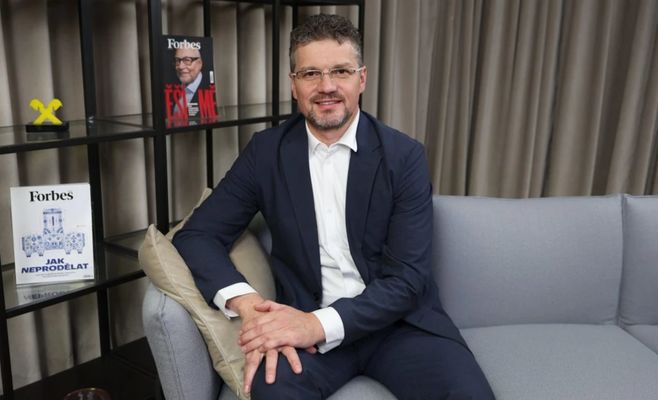
PwC partner Petr Smutný finds acquisition targets in Germany, Poland and Slovenia for Czech clients. He says German industry has come under pressure, and Czech investors see an opportunity in that.
Smutný has been working on restructurings since 1999. In his own words, whenever someone gets into trouble or a “mission impossible” story appears in the press, he is usually somewhere nearby. Today the most visible movement he sees is in industry: the German car sector and some of its suppliers are weakening, and Czech companies can pick up orders, technology and production capacity.
“Labor costs us sixty percent less. Sometimes it makes sense to move production to Czechia, sometimes to carry on in Germany, for example in specialized trades,” he explains. Besides the price gap, the situation has been changed by the growing boldness of Czech investors and cheaper financing for expansion abroad. Where such deals used to be the exception, industrial groups and private equity funds are now interested in them. Smutný lived through one of the first big deals of this kind around 2010, when Kordárna was sold to Igor Fait.
Twelve thousand people and not a penny for wages
One of the companies that has followed Smutný through almost his entire career is Nová huť in Ostrava. When he arrived there in 1999, it employed about twelve thousand people and had no money for wages. The company was stabilized and then privatized. Returning years later, Smutný found a much worse picture: production had stopped, about five thousand employees were out of work, and the company was in bankruptcy proceedings.
The solution was tolling finance: an outside partner pays for the raw material and the manufacturer processes it. That helped restart output, after which the company was sold. Stories like this, Smutný says, often begin with a failed investment. At Nová huť it was a CZK 7.5 billion mini-mill project that ran seriously late, while the entire modernization program cost CZK 17.5 billion. At Kordárna, nobody initially knew exactly how much additional money would be needed to finish a major investment.
Varta as a shortcut to technology
Today Smutný keeps an eye on troubled companies across Europe. When Germany's Varta entered bankruptcy proceedings, his team suggested that several Czech clients take a look at parts of the well-known battery maker. A purchase like this can save years of in-house development: instead of building new capacity over many years, a company gets technology, equipment, people and access to orders in one go.
“Be prepared, have a strategy, and when something like this comes up, don't be afraid to pick up the phone and call me,” he advises. His team already has experience with acquisitions in Germany, and the image of a flawlessly working German system, he says, often does not match reality. “Don't think everything in Germany is somehow especially sophisticated. When it comes to bankruptcy, the Germans have more to learn from the Czechs than the other way around,” says Smutný.
When to walk away from a deal
Buying a company in bankruptcy proceedings has a practical advantage: an investor can often take the assets themselves or a cleaned-up business, while the old liabilities stay in the former structure. Still, it is not wise to blindly trust every opportunity.
Smutný becomes wary when, during due diligence, he runs into a serious problem in the behavior of the people on the other side. “If you see complete ethical and moral arbitrariness or disregard for basic rules, that is a case where I would walk away. I want a partner who plays at least somewhat transparently,” he stresses.
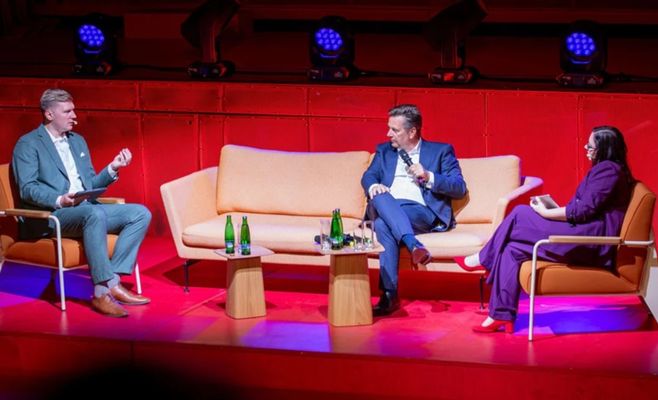
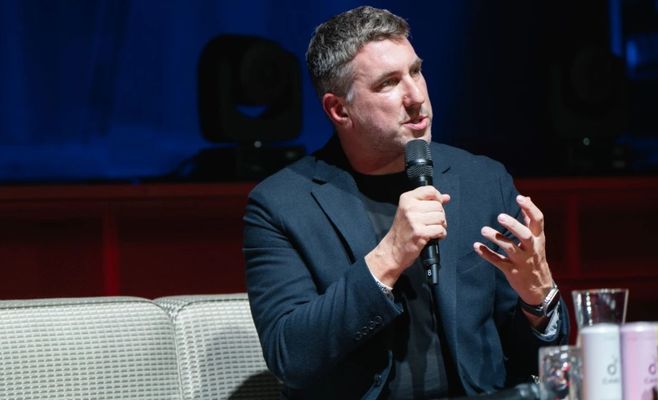
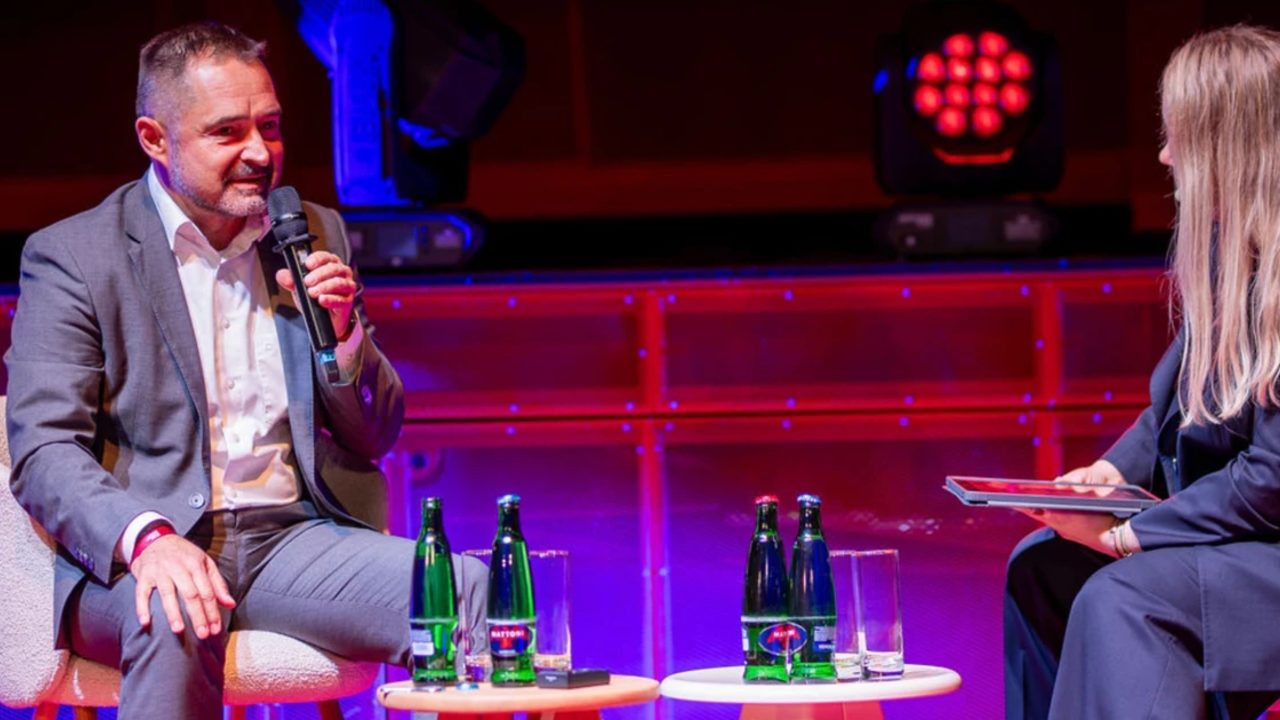
Smutný set out his views at the Forbes event “Lepší Česko” in October.
By the Around Prague newsroom