Moravia wedding venue: how Tomáš Horvát turned a ruin into a hit
USD 21,79
Popular
- yesterday at 23:05
- News
- War in Ukraine
Fire at a plant supplying the Russian army in Rostov-on-Don
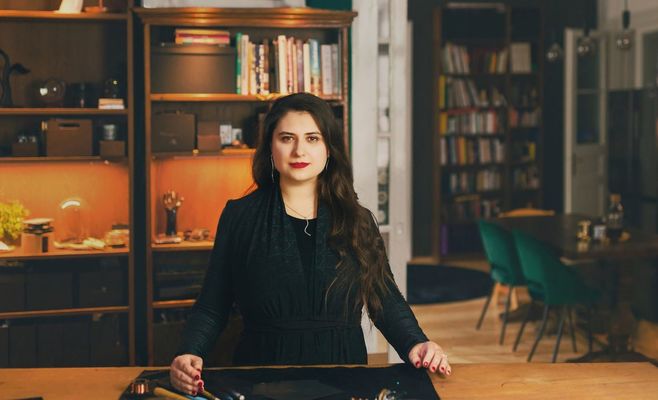
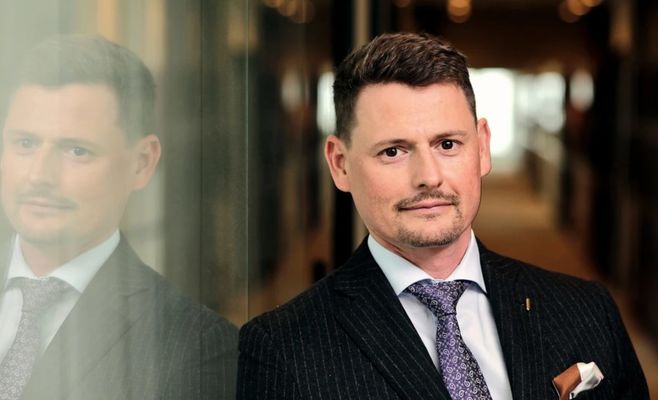
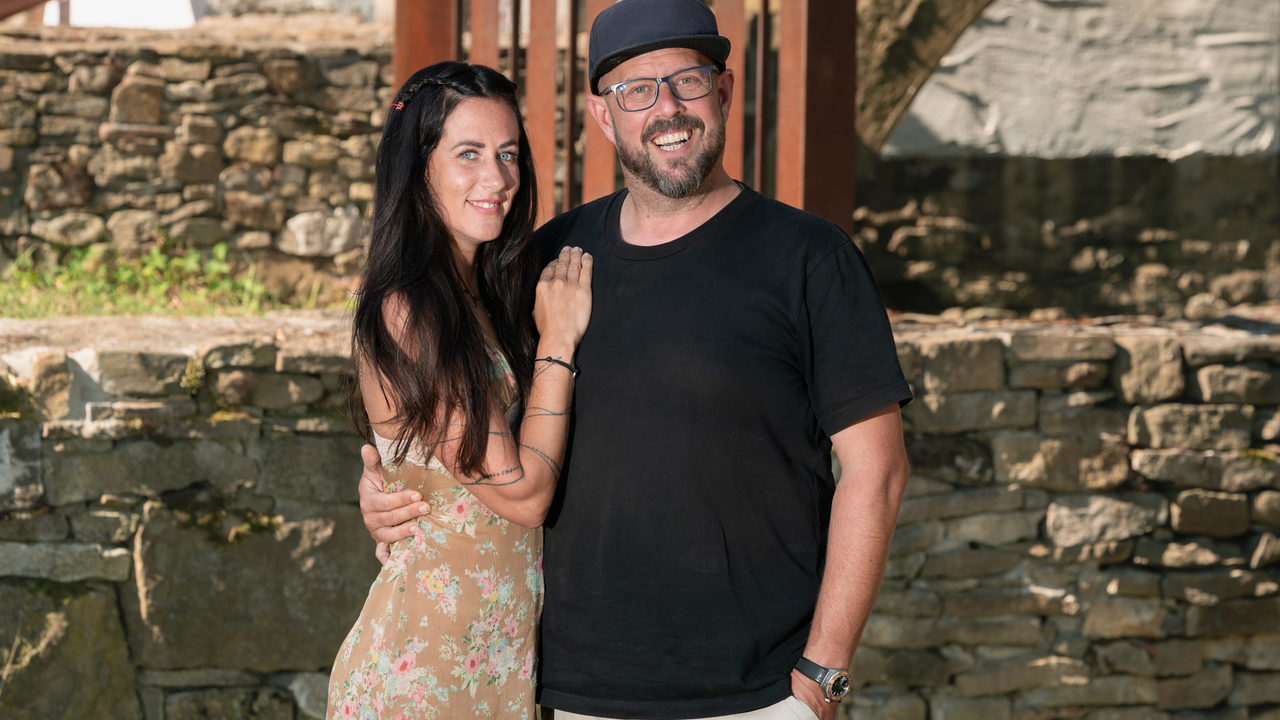
Tomáš Horvát, tired of the world of corporate events, bought a ruin in Moravia for 750,000 crowns and turned it into the sought-after wedding venue Komankův mlýn. The 1748 farmstead now hosts four-day weddings that are more like a holiday.
The story began in September 2013. After a wild night in Bratislava, Horvát, who worked at a successful event agency organising corporate promotions, realised that he was starting to tire of his business. Instead of a new project, he opened a tablet and typed into the search bar: “farmstead in Moravia”. There was no grand plan — he simply wanted a country cottage to escape the bustle of marketing. “I had no idea then how much my life would change,” he admits to CzechCrunch.
The search turned up an abandoned property in a remote spot near Javorník in Horňácko, right in the Bílé Karpaty protected landscape area, by the Slovak border. A ruin for 750,000 crowns. The amount of work ahead did not put Horvát off even after a personal visit. When he first brought his now-wife Monika here, she burst into tears, he says: she saw only shabby walls and tons of rubbish.
The first weeks: 30 skips of rubbish
In the first few weeks alone, more than thirty containers of waste were taken away from the farmstead. “I had no experience in renovation or construction. With the experience I have today, I definitely wouldn’t take on a project of this scale,” says Horvát. The buildings are made of stone and unfired brick, so the work was truly hard.
On top of that, the property had historically been divided into two parts. It took the couple five years to buy out the second half and, after 240 years, to unite the plot into a single whole.
Craftsmanship instead of stage sets
Local teams of craftsmen were brought in for the restoration, and the owners gave them free rein. Carpenters repaired the old rafters on eleven roofs, the blacksmith Viktor Smetka made a riveted balcony using the same technique as was used to build the Eiffel Tower, and the new mill wheel was made by master hewers from South Bohemia. “We didn’t want to create artificial scenery; we wanted to breathe honest craftsmanship into an old farm that will stand for centuries to come with respect for its history,” Horvát explains.
How the farmstead started to earn money
All this time the project was financed from their own funds, with no thought of profit, and for several years the mill served simply as a private country house. The turning point came during the pandemic: maintaining such a property is a full-time job for one person, so they needed to find a way for the farmstead to pay for itself.
The choice fell on an old stone barn from 1885. After studying how Airbnb works, Horvát completely converted it into a guest house. Conceived as occasional rental, the idea unexpectedly became a hit: over five seasons more than 1,600 people stayed in the house, and in summer the calendar was completely sold out.
Guests, charmed by the place at the “end of the world”, began asking whether they could hold a wedding or another event here. It was these repeated requests that pushed the couple towards the final transformation of the entire mill.
A wedding for 120 guests and 25 kilograms lost
The decision to move forward was made in June last year, with a hard deadline: the first wedding for 120 guests was set for exactly 6 June 2026. The first newlyweds booked the venue while it was still in hard hats, among unfinished walls and clay. “I lost 25 kilograms over that year,” Horvát says of the price he had to pay for the project.