Babiš and Okamura rush to freeze politicians' salaries ahead of elections
USD 21,62
Popular
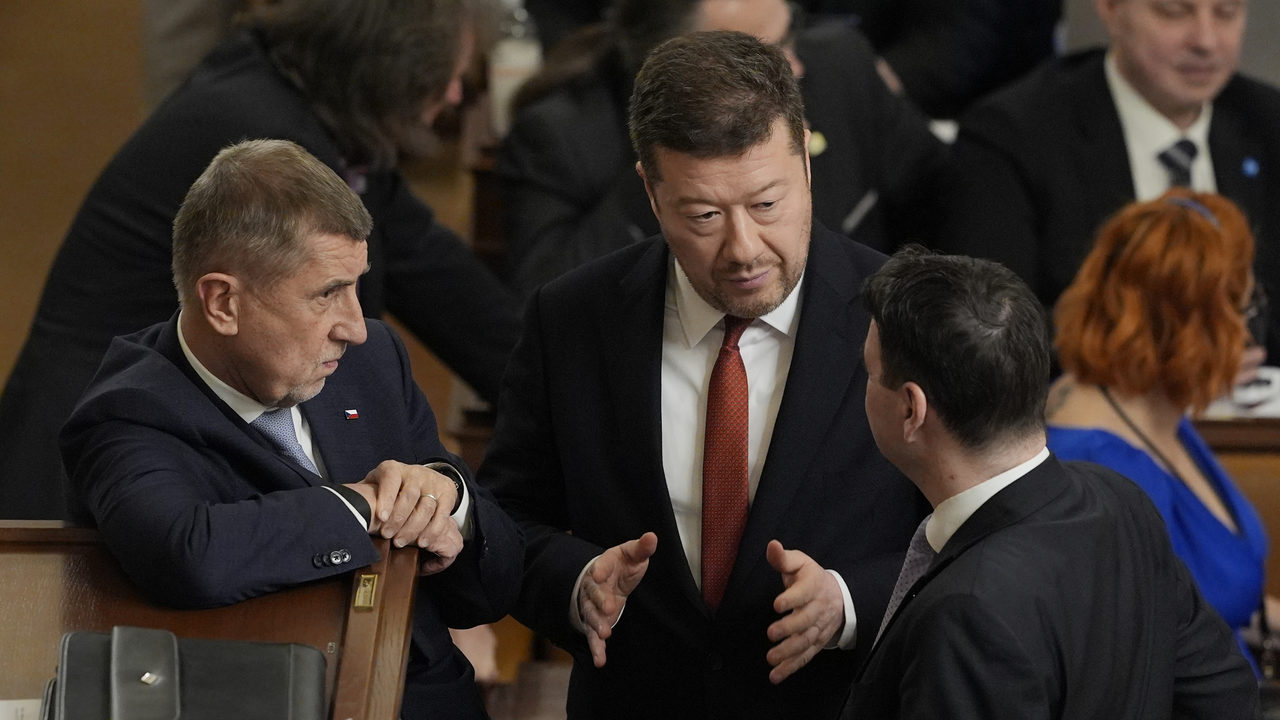
Czech Prime Minister Andrej Babiš (ANO) announced on Monday, after a cabinet meeting, that he would propose to the coalition freezing politicians' salaries at their current level until 2030. He asked the Speaker of the Chamber of Deputies, Tomio Okamura (SPD), to put the matter on parliament's agenda.
That evening, following talks between coalition leaders, Okamura confirmed the agreement: the bill freezing salaries will be submitted before the proposal to abolish television and radio licence fees. "We agreed that this issue will be put forward ahead of the proposal to scrap the TV and radio fees," he said.
A tight race against time
If the coalition wants to pass both laws before the end of the year, careful coordination will be needed. Both bills must go through the Chamber of Deputies and the Senate before being signed by the president. Resistance is expected from both the upper house and the head of state over the media fees, meaning at least three months between the first reading and the law's official publication.
"Scrapping the media fees is an absolute priority. We had planned to open the debate on this in September. Now, following the coalition council's agreement, the salary freeze takes priority," Okamura explained. According to the Chamber of Deputies' schedule, lawmakers are due to convene in the second week of September.
Negotiations within the coalition are still ongoing. "I need to sort out the autumn agenda. The opposition wants to block the abolition of the media fees, and the construction law and other bills could come back from the Senate," Okamura said. Laws returned by the Senate must be given priority by the chamber, which will further slow the coalition's plans. This week, the Senate is due to review the construction law and the contentious civil service law.
A calculation ahead of the elections
According to political scientist Michal Malý of Charles University, the government is rushing to freeze salaries because of the upcoming autumn elections to local government bodies and the Senate. "It's always a popular topic, even though the salaries will eventually be unfrozen at some point, leading to a sudden jump," he noted.
The issue of media fees, by contrast, could stir public discontent, so Malý believes the coalition may delay tackling it. Political scientist Lubomír Kopeček from Masaryk University thinks the authorities might combine the two issues. "The cabinet could present the salary question in a way that diverts attention from the debate over public media fees," he suggested.
Source: novinky.cz