Flu shots in Czech pharmacies: health ministry versus doctors
USD 21,69
Popular
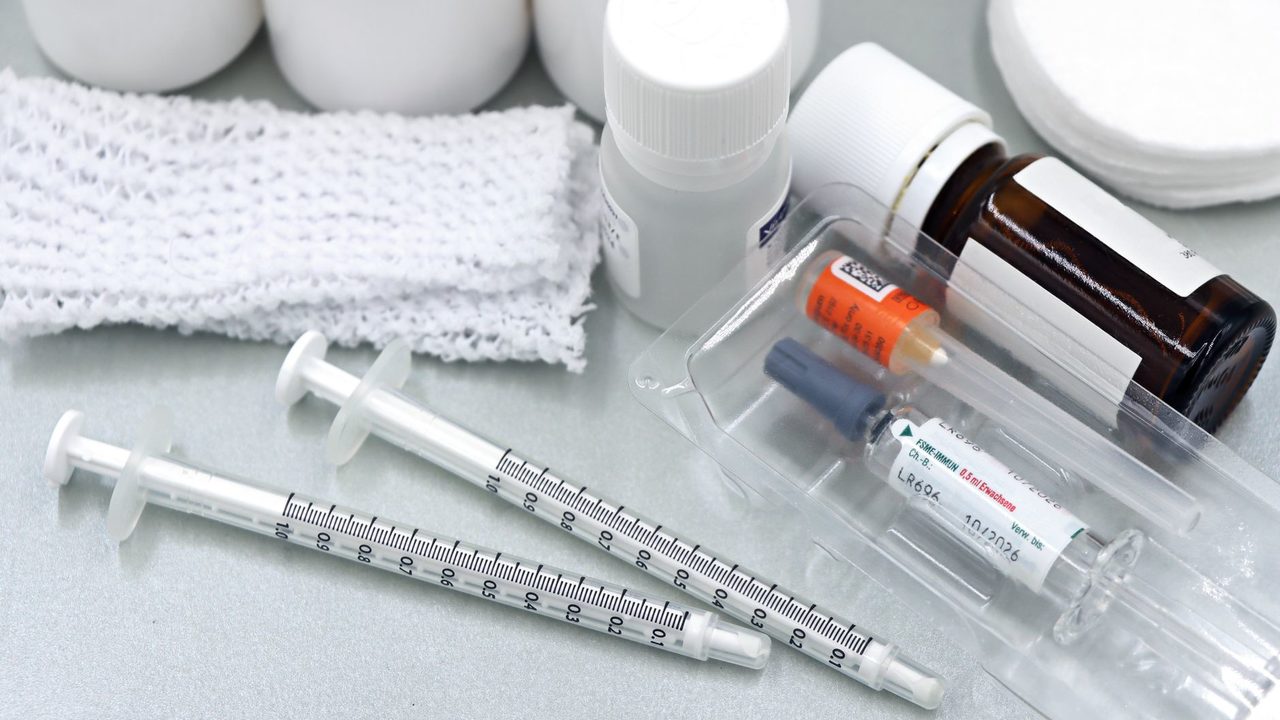
Czechia remains one of the EU countries with the lowest flu vaccination rate — fewer than 10% of the population get a shot — even though the annual epidemics cost the economy billions of crowns and send serious cases, including fatalities among the elderly, into intensive care. Health Minister Adam Vojtěch said something has to be done about it and proposed allowing flu and COVID-19 vaccination not only at doctors' offices but also in pharmacies — an idea that became the central topic of recent talks involving representatives of the pharmacy and medical communities.
Why the ministry wants pharmacy vaccination
According to Vojtěch, the plan is not to take patients away from doctors or replace doctors with pharmacists: anyone who can and wants to get vaccinated by their own doctor can keep doing so. Pharmacies would simply become an additional option for seasonal flu and COVID-19 vaccination — shots the minister described as among the safest available. He cited France as an example, where allowing vaccination in pharmacies raised coverage by 10%, meaning fewer patients end up in intensive care.
Irena Storová, executive director of the Association of Pharmacy Chain Operators (APLEKS), cited the group's own survey: the main reason people skip the shot is simply a lack of time to book an appointment with their GP and take time off work. According to the State Institute for Drug Control, Czechia now has more than 2,600 pharmacies and dispensing points — which, Storová argues, makes them among the most accessible healthcare facilities in terms of both location and opening hours. A survey among pharmacists at chain and independent pharmacies found that almost half would be willing to vaccinate. In a pilot project last year at four Benu pharmacies in Prague, Brno and Ostrava, 723 people were vaccinated over four weekends.
'This is degradation': doctors push back
Milan Kubek, president of the Czech Medical Chamber, fundamentally disagrees with the initiative. In his view, the issue isn't a shortage of vaccination sites — flu shots are already highly accessible in Czechia — but rather that people simply have no interest in getting them. Part of the population is distrustful of vaccination, and turning a shot into an ordinary commercial service — "walk in, pay, get jabbed, walk out" — would, Kubek believes, only reinforce suspicions that it's about money rather than the patient's health.
More important than where the injection happens, the Chamber's head argues, is the question of whether a given person needs the vaccine at all — a decision that should be up to a doctor. A separate dispute concerns pharmacies' readiness to handle possible complications: what happens if a patient has a reaction to the shot in the pharmacy. Storová insisted pharmacists have no objection to special training on how to handle anaphylactic shock. Kubek called that approach amateurish: vaccines carry far more potential side effects, and the current low complication rate, in his view, is thanks to doctors who screen out beforehand those for whom the shot is contraindicated. Remove that "filter," he predicts, and complications will increase.
Who pays for the shot
The bill, which the government has shelved for now, would also let vaccination be carried out not only by GPs and pediatricians but by other groups of doctors as well. Kubek calls that the right move, though he says it won't work without changing how vaccines are supplied: a specialist, a diabetologist for example, who needs to vaccinate a handful of patients requires a different way of obtaining the drug — by prescription, through the nearest pharmacy — rather than through the large-scale procurement system that currently only suits big suppliers.
A separate question is who pays. Right now the flu shot is free only for the most vulnerable groups; everyone else pays around 700 crowns. Kubek considers that pointless if the shot benefits insurers anyway, and proposes covering vaccination for everyone who wants it out of mandatory health insurance funds. Vojtěch countered that insurers' prevention funds already cover part of the cost today, but even among people over 65, who get the shot for free, coverage remains among the lowest in Europe.
Read also: Brno: what to see and where to go
Source: seznamzpravy.cz