Japan to inspect all exotic animal cafés for the first time
USD 21,75
Popular
In September 2026, the Japanese government launched its first nationwide survey of animal cafés. The inspection will cover the conditions in which the animals are kept, hygiene and public health issues.
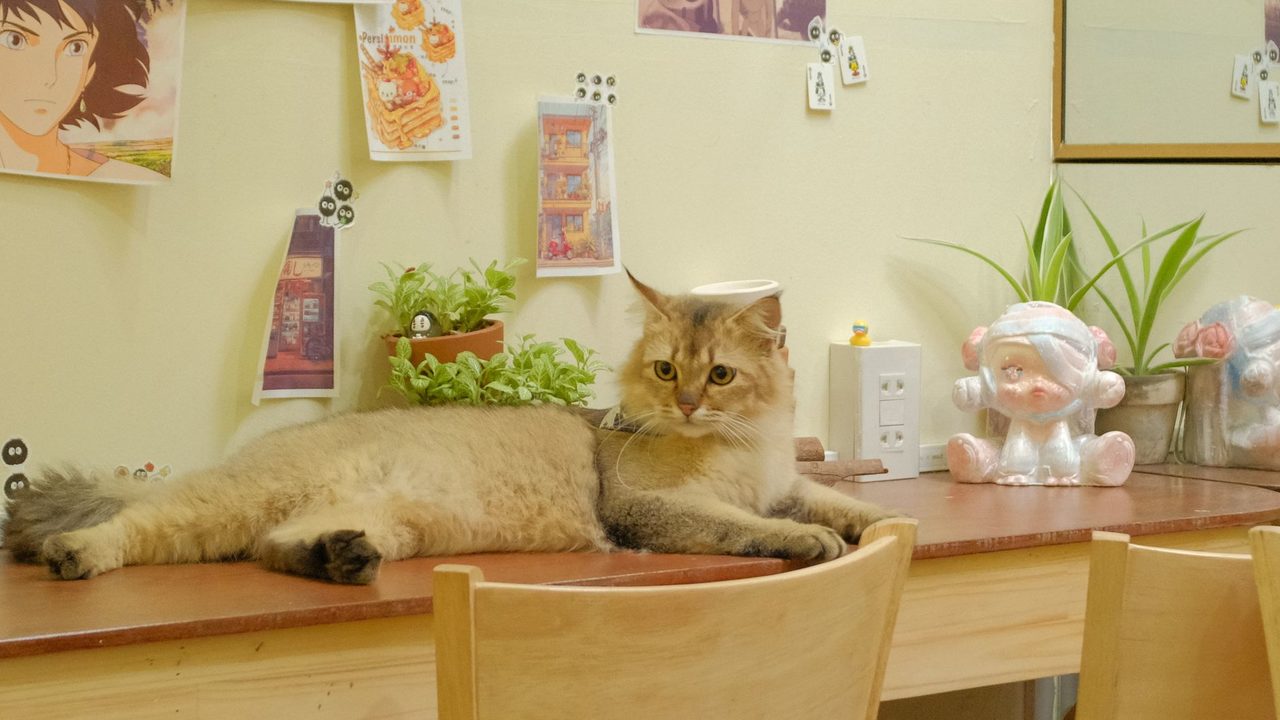
Millions of tourists visit such cafés every year, drawn by images of contentedly grunting mini pigs, friendly capybaras, adorable hedgehogs, and the familiar dogs and cats. Social media is full of such photos and videos. But the venues often operate in a gray area: according to an Environment Ministry official, the country has no specific standards for such cafés or for keeping many exotic species.
How cafés that don’t serve coffee work
Walking in on a whim after spotting a shop window is usually not an option. At many popular venues you have to book a slot in advance for anywhere from 25 minutes to an hour, and extending it costs a lot extra. Latecomers may lose part of the visit or the whole booking. The entrance ticket is paid in advance, and visitors are advised to arrive ten minutes before the start. Belongings and shoes go into a locker, and you enter in the slippers provided. Prices in Japan’s big cities start at around 150 crowns for a half-hour visit and, depending on the venue and time, can reach several hundred crowns.
Before entering, you usually have to wash your hands or use a disinfectant, and sometimes both. In some places visitors confirm with a signature or when booking that they have not recently been in contact with animals of the same species and feel healthy. The Mipig café chain, for example, turns away anyone who has had contact with pigs outside its cafés in the past two days.
Photographing the animals with a flash is not allowed, picking them up is usually forbidden, and each venue may have its own rules. The custom is to place a blanket on your lap and wait for the animal to come over by itself for a treat from the staff; then you can pet it. Some cafés allow feeding the animals treats sold by the café itself, while bringing your own food is strictly forbidden.
Before visiting, it is worth reading recent reviews: some places treat the animals with care, while in others tired staff clean up after them and break up fights with visible disgust. The difference is noticeable: even in a piglet café, it all comes down to the people.
Regulation is on the way
According to the Independent, the survey is meant to establish the number of venues, the species of animals, their living conditions and how visitors interact with them. The animals guests may encounter range from otters to owls, snakes and marmots. Concerns have been raised for the animals, especially where endangered species are involved. The survey also includes the familiar dog and cat cafés.
“The public, including animal welfare organizations that regularly pass their own research findings to the ministry, is very interested in this issue. Experts on the government’s advisory committee also often point to possible problems at such cafés,” said Takuya Ishikawa, an official at the Environment Ministry.
Some owners welcome the initiative. “Japan is clearly lagging behind in regulating animals’ living conditions,” said Shaina Nozaki, who runs the Owl Otter Cafe in Kamakura, near Tokyo. Her venue shelters rescued animals, and she hopes the rules will help distinguish such places from those focused solely on profit.
Café and pet shop in one
According to last year’s study by the World Wide Fund for Nature and Hokkaido University, of roughly 80 registered cafés offering contact with wild animals in Tokyo and Osaka, three quarters are also registered to sell animals. Visiting 25 cafés, the researchers counted more than 1,700 animals on display, almost 30% of them endangered species. More than 90% of the cafés inspected displayed animals whose handling carries an increased risk of injury.
The Japanese government also plans an awareness campaign about the risks of contact with exotic animals.
Source: novinky.cz