Chester Zoo Welcomes Rare Greater One-Horned Rhino Calf After 15-Month Pregnancy
USD 22,22
Popular
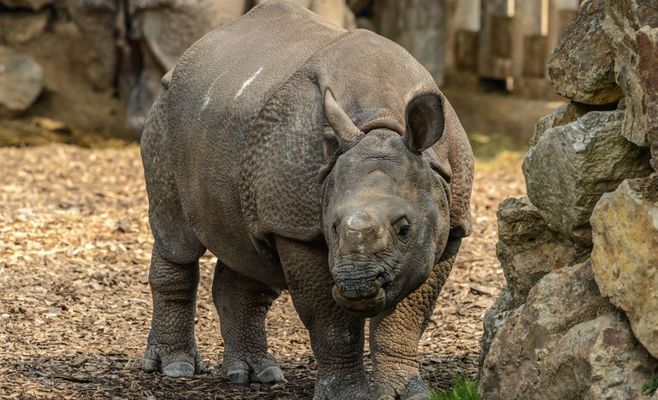
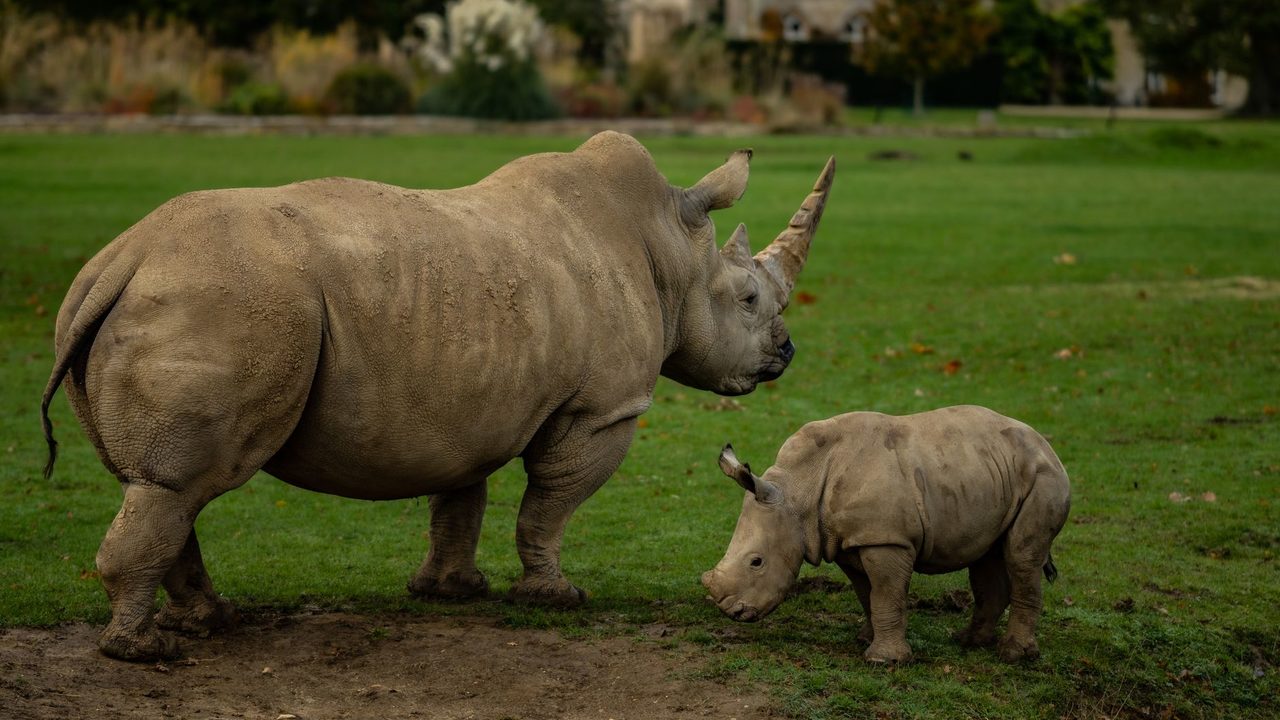
A rare greater one-horned rhinoceros calf has been born at Chester Zoo in Cheshire, England, and video of its first wobbly steps has been released. Keepers say mother and calf are both doing well, according to the BBC and the Mirror.
The Mirror reported that the calf arrived on Nov. 11 after a 15-month pregnancy. The birth is being treated as a boost for a species that was once driven close to extinction and is still considered vulnerable.
What the footage shows
According to the Mirror, the zoo's cameras captured mother Asha moving into a corner of her enclosure before the calf was born. Afterward, she turned to lick and tend to the newborn before lying down to rest.
The Mirror said the calf got to its feet for the first time in less than an hour and took its first shaky steps. Keepers told the outlet it was feeding shortly afterward. The zoo has not revealed whether the calf is male or female, and it has not yet been named.
Both animals have already ventured outside together, the Mirror reported. Images show Asha leading the way out of her pen while the calf hesitated at the entrance before following her around the outdoor enclosure.
A family history at the zoo
The calf is the fourth youngster for 19-year-old Asha and her partner Beni, according to both outlets. Beni died earlier this year after a short and sudden illness. The Mirror said he was 22.
Tom Garland of the zoo's rhino team said every birth matters for the future of the species. He described Asha as a brilliant mother to all her youngsters. He also recalled Beni as calm and approachable, and said his legacy lives on through the calf, the Mirror reported.
Emma Evison, the zoo's rhino team manager, told the Mirror that any birth can be risky, even for an experienced mother, but everything went smoothly this time.
How the zoo prepared
The Mirror reported that keepers spent months getting ready. They monitored Asha's behavior and collected dung samples that were analyzed in the zoo's science laboratory. By tracking hormone levels, scientists followed her reproductive cycle, worked out when she was most receptive to Beni and later confirmed the pregnancy.
The calf weighed about 45kg at birth, the Mirror said, roughly the size of a large adult dog. The outlet noted that it could one day weigh more than two tonnes.
Why it matters for the species
The BBC reported that the species was pushed to near-extinction in the early 1900s by habitat loss and trophy hunting. Around 4,000 greater one-horned rhinos now live in the wetlands, forests and grasslands of India and Nepal. The Mirror added that poaching was also a factor in the species' decline.
Conservation efforts have helped the animals recover, but they remain vulnerable. Mark Brayshaw, head of mammals at Chester Zoo, told the BBC that the rhinos are much better protected in the wild than they once were. Many of them, however, are concentrated in a single national park in India, which leaves them exposed to illness and environmental changes.
The calf is part of a Europe-wide conservation breeding program that aims to keep a healthy and genetically diverse population of the rhinos in human care. Conservation scientist John O'Hanlan said Asha is one of relatively few greater one-horned rhinos in Europe actively breeding, so each successful birth helps maintain that diversity, according to the BBC.
Brayshaw also said Asha and her calf could help millions of zoo visitors understand the value of conservation. In his words, the animals still need people to love and protect them.