Hamster Cells Now Carry Algae DNA Across 150 Generations of Division
USD 22,26
Popular
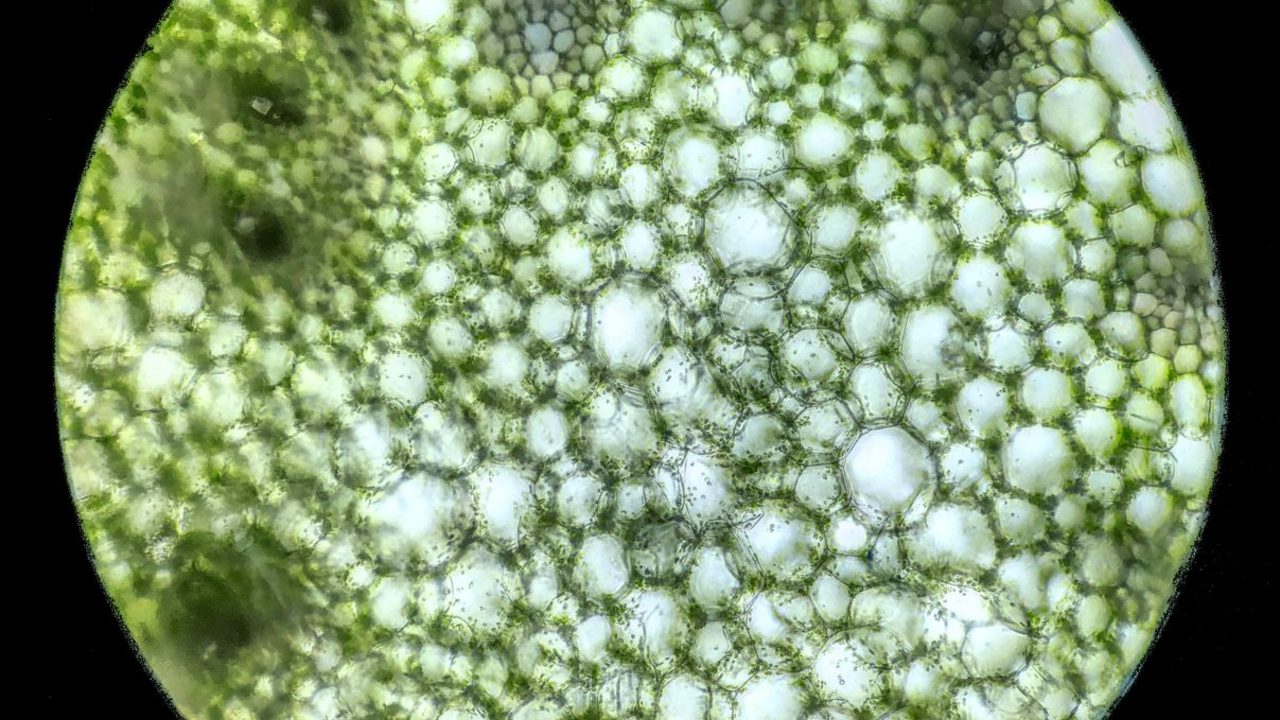
Researchers in Japan have fused hamster cells with algae and kept the combined genetic material stable through more than 150 generations of cell division, ScienceAlert reported. The team calls the resulting cells “planimals,” and the study appears in Nature Communications.
Biologist Sachihiro Matsunaga of the University of Tokyo led the work with colleagues at institutions in Japan and Australia. The long-term aim is to give animal cells a trait usually found in plants: the ability to photosynthesize. That has not happened yet.
What the team did
According to ScienceAlert, the group did not use typical genetic modification. Instead, it used laboratory methods that push cells down routes inspired by endosymbiosis, the process in which one cell comes to live inside another.
One route was phagocytosis, in which an animal cell engulfs another cell. The researchers only had to place the hamster and algal cells in one container and wait. That approach produced some stable cell lines, but rarely: 3.7 colonies formed for every 1.2 × 10⁷ cells.
A more artificial route worked better. The scientists soaked both cell types in polyethylene glycol, which scrambled the cell membranes enough for cells of the two species to fuse. ScienceAlert said this method yielded about 800 times more than leaving the work to phagocytosis.
Why a hybrid genome is notable
The key test was whether the algal DNA would survive repeated rounds of cell replication. Matsunaga said the team created hybrid chromosomes that hold genetic material from both an alga and a mammal, and that daughter cells inherit that material through repeated divisions.
The planimal cells kept nearly an entire algal genome across many generations, Matsunaga said. In his view, this shows that the evolutionary gap between plants and animals can be bridged at the level of chromosomes, without reproduction. He added that the team also wanted to learn how animal cells cope with DNA from such a different organism without losing the ability to survive and divide.
The natural inspiration
Nature has already produced something similar, ScienceAlert noted. In 2000, scientists found a single-celled organism called Hatena arenicola on a sandy beach at Isonoura in Wakayama, Japan. It spends half its life as a “plant” thanks to a close partnership with a photosynthetic alga, Nephroselmis, that lives inside it.
In that organism, the algal chloroplasts are greatly enlarged while the rest of the alga's cell machinery has degraded. Scientists agree that plants gained photosynthesis through a similar process long ago, according to ScienceAlert. That ancient origin of chloroplasts, along with Hatena, inspired Matsunaga. He first proposed the planimal idea in 2018.
What it means for now, and the limits
Matsunaga has described big hopes for such cells. In his 2018 paper, he suggested they could one day help with global food problems by reducing energy use, enable photosynthetic therapies in medicine and support long-distance space travel. In theory, a cell could use sunlight to make the oxygen and sugars its animal parts need.
The current work is far from that point. Most of the protein-coding genome from the red alga is inactive, and only about 4 percent of it produces detectable transcripts, ScienceAlert reported. The alga has a compact genome with genes for metabolic functions that animal cells lack, Matsunaga said.
What comes next
The next challenge is getting the animal cell to actually use the algal genes. Matsunaga's stated goal is to switch on those biological pathways so animal cells gain some of the abilities of plants and algae, including sustained photosynthesis that produces oxygen while consuming carbon dioxide to make useful organic compounds. For now, the result shows only that the genetic material can be carried and passed on, in cells grown in the lab.
Around Prague, based on reporting by ScienceAlert