Kikai-Akahoya eruption 7,300 years ago: how Japan's people survived
USD 21,69
Popular
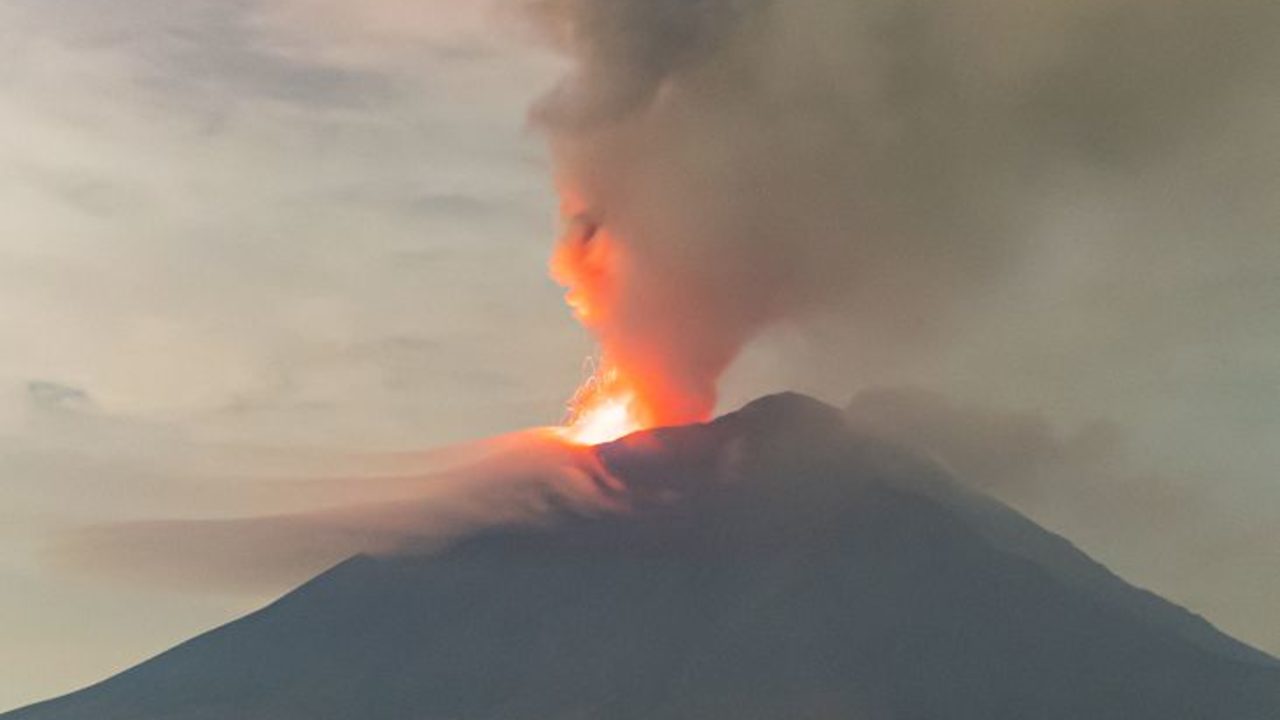
About 7,300 years ago, 50–60 kilometres south of Japan's island of Kyushu, the undersea volcano Kikai-Akahoya erupted. It left behind a giant caldera about 19 kilometres across, almost entirely hidden beneath the water. The islands were then home to hunter-gatherers of the Jōmon culture. An international team of researchers has now worked out what became of them after the catastrophe.
An eruption of apocalyptic scale
According to team leader Peter Jordan of Sweden's Lund University, it was an eruption of apocalyptic proportions. It is rated 7 on the VEI volcanic explosivity scale: the volcano ejected almost 500 cubic kilometres of material. It may have been the largest eruption of the Holocene. The volcano blew up on the seabed with practically no warning, powerful earthquakes and tsunami waves struck the Japanese islands, and the land was buried under layers of volcanic ash several metres thick.
For decades, archaeologists have argued about what happened to the people and whether the inhabitants of the worst-hit areas vanished. Jordan's team shows that the reality was more complicated. The eruption destroyed ecosystems, forced people to abandon their homes and made some territories uninhabitable. But the survivors showed a remarkable ability to adapt, and in some places the population even grew after the catastrophe.
The south died out, the north grew
The study's first author, Enrico Crema of the University of Cambridge, stresses that the catastrophe cost many lives. But the survivors did not give up: they moved, founded new communities, looked for new sources of food and, it seems, found successful solutions that allowed them to survive and later thrive.
Different parts of Japan reacted to the eruption in different ways. In southern Kyushu, the Jōmon population had been shrinking long before the blast, and by the time of the catastrophe relatively few people remained. In northern Kyushu the picture was different: the population was growing before the eruption and kept growing during and after it, even though the surrounding ecosystems were badly damaged. People fleeing the worst-affected places probably contributed to this.
It also emerged that people who had lived inland before the eruption moved to the northern coast. Marine ecosystems there recovered fairly quickly and soon provided valuable food again. Local communities apparently learned to make better use of the sea's riches, which allowed the population to keep growing.
The study shows that the consequences of massive natural disasters can reach far beyond the areas hit hardest. Jordan also notes that the aftermath of disasters rarely unfolds in a simple, predictable way: human societies can take different paths, depending on conditions and available resources.
Source: osel.cz