Temu and Shein in Europe: sales in Germany fall by 35.5%
USD 21,62
Popular
Chinese marketplaces Temu, Shein and AliExpress are losing ground in Europe. According to the German e-commerce association BEVH, their combined sales in Germany in the third quarter dropped from €878 million to €566 million, a fall of 35.5%. The three platforms' share of German online retail shrank from 5.3% to 3.1%.
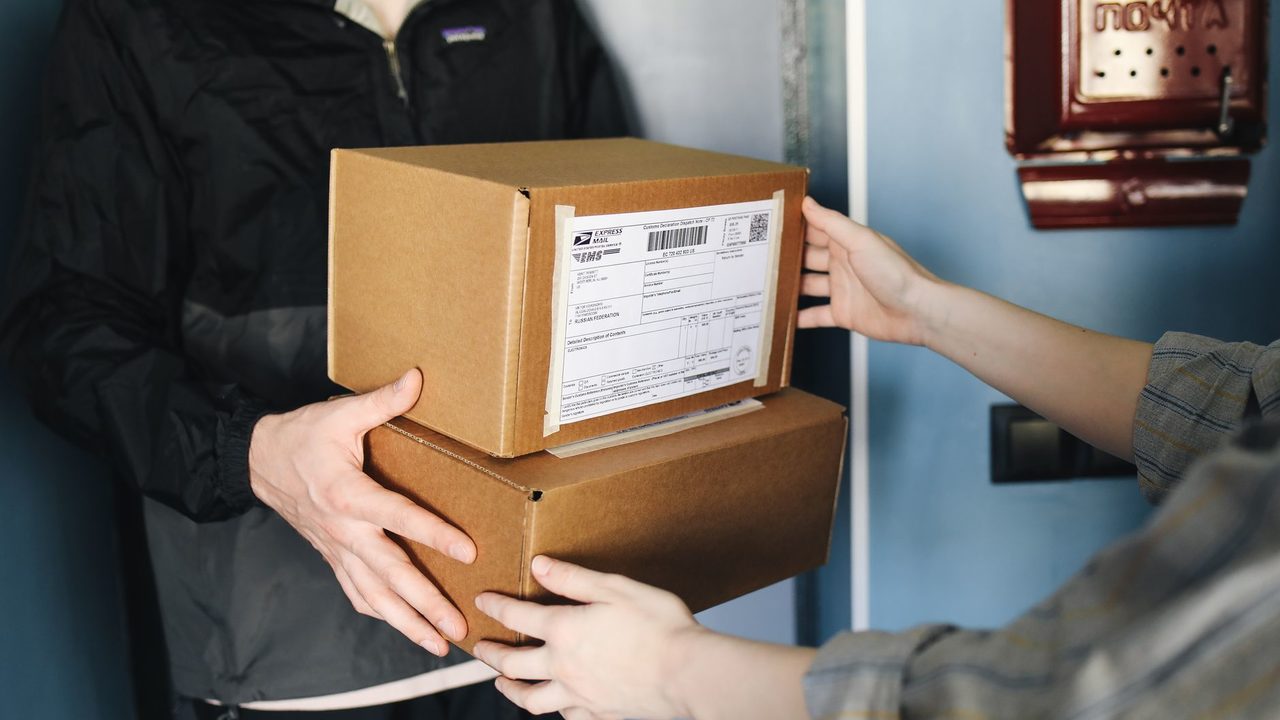
Analysts link the slump to the €3 duty on cheap parcels worth up to €150, which the EU introduced in July. “High duties are noticeably hurting low-margin Asian goods,” said the head of the German association.
Why German sellers are not winning yet
Local shops have not yet benefited from the Asian competitors' weakness. There are several possible explanations: some shoppers bought things they did not need simply because they were very cheap; others stocked up in advance when the European Commission announced the duty; still others shifted their spending from the internet to ordinary shops.
The theory that demand has merely been postponed and sales will rise again looks less likely. Soon a €2 handling fee will be added to the duty, and later possibly another charge for safety checks on goods imported into the EU. Parcels from third countries will become even more expensive.
The same trend in France
The picture is similar in France, where traffic is measured rather than revenue. According to the French e-commerce association FEVAD, citing data from the research company Médiamétrie, in July Shein lost 42.3% of its unique visitors year on year, Temu 36.4% and AliExpress 10.4%.
But it is too early to write off the Chinese platforms. “It is not yet time to declare that we have won,” warned FEVAD director Marc Lolivier. Even after the drop in France, tens of millions of people visit these sites every month, and the platforms themselves can adapt their business model quickly.
Warehouses in Europe and quality problems
The platforms are already building large warehouses in Europe: goods are shipped in containers, declared as an ordinary commercial consignment and then sold from local warehouses. According to Luděk Drnec, head of DHL in the Czech Republic, this is to be expected. Since 2024 Temu has stored and dispatched some goods from warehouses in Czechia, and the company expects the share of local sales to grow. Under such a scheme the duty per item works out cheaper than for individual low-value parcels.
Chinese sellers still have other advantages, not always honest ones: product safety, certificates and EU standards, payment for environmental recycling, genuine discounts, complaint conditions and instructions in Czech.
Tests by consumer organisations in Germany, Belgium and Denmark showed that of 162 products from Temu and Shein, 110 (68%) did not meet EU requirements. Of 27 children's toys from Shein, none passed, and from Temu only one did. Of 27 chargers from Temu, only one met the standard, while 12 chargers from Shein were found to carry a serious risk of overheating or fire. Two necklaces from Shein contained more than 85% cadmium, over 8,500 times the EU limit.
Regulators are tightening the pressure: in May the European Commission fined Temu €200 million for inadequately assessing the risks of selling illegal goods. Shein remains next in its sights.
What this means for foreigners
This affects everyone who orders from Temu, Shein and AliExpress, foreigners included. Since July a €3 duty has applied to parcels worth up to €150, and later a €2 handling fee will be added to it.
Source: seznamzpravy.cz