Economy By

Will Europe have enough water to cool the nuclear plants of the future?
Will Europe have enough water to cool the nuclear plants of the future?

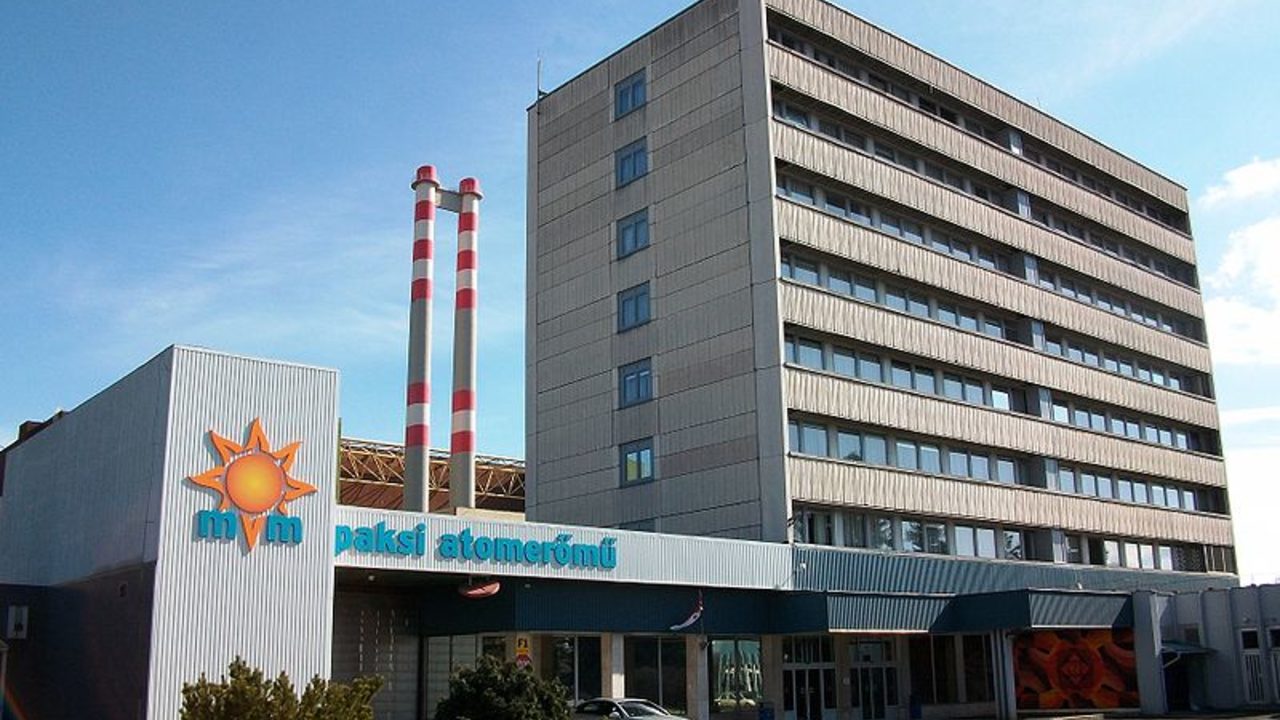
The European Union is betting on nuclear power as a replacement for coal generation and a way to reduce dependence on imported energy resources. Under EU plans, the capacity of conventional nuclear power plants is set to grow by nearly nine percent by 2050 — from today's 98 GW to 109 GW — with small modular reactors (SMRs) potentially adding up to another 53 GW.

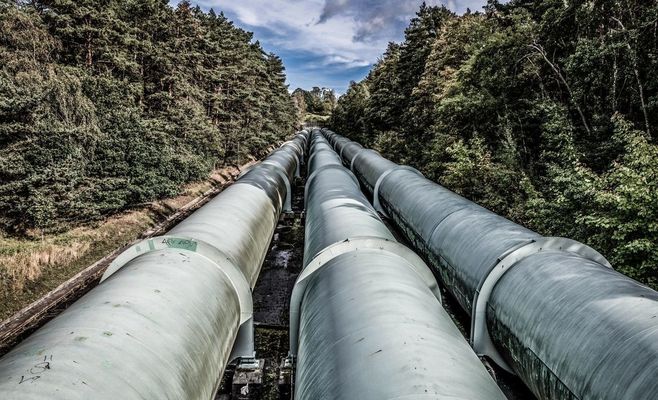
However, these ambitious plans face a serious obstacle — water. As Czech environmental expert Jan Palaščák points out, cooling existing and new reactors is becoming increasingly expensive. A dry cooling system costs four times more than a circulating one, which in turn is significantly pricier than direct-flow cooling, which draws water straight from rivers and seas.

A problem swept under the rug for years

According to the expert, when the environmental impact assessment (EIA) was drawn up for the new units at the Dukovany nuclear plant, the real state of water resources was deliberately painted in a rosier light. The calculations assumed that old and new units would operate simultaneously, while on paper the small Jihlava River was essentially transformed into a mighty Siberian Yenisei — all just to formally justify the sufficiency of water resources.

The expert draws a parallel with the situation on the Danube, whose water level has repeatedly dropped to critical lows in recent years due to droughts. The drying Danube is a clear sign that the climate crisis is far from over — and has, in effect, ruled out direct-flow cooling of nuclear plants as a reliable technology for the future.

Cheap flights from Prague
One search across every airline and travel agency.
Find tickets
Sponsored

What the nuclear industry should do

Palaščák believes nuclear power is an essential tool in the fight against climate change — a view shared by well-known American businessman Bill Gates. But the industry itself must adapt to new climatic realities rather than ignore them for the sake of political convenience.

Technically, it is entirely possible to cool new nuclear power plants without drawing water directly from rivers, the expert stresses. Moreover, the more technologies and companies compete within the so-called "nuclear renaissance," the more cost-effective new engineering solutions for reactor cooling will become.

Source: ekolist.cz
Share: Telegram WhatsApp

Related news

Gas and electricity prices on the exchange are climbing noticeably amid the US–Israel conflict with Iran, with gas once again costing roughly twice as much as it did at the end of February. That's according to Czech Minister of Industry and
Building new reactor units at the Dukovany nuclear power plant will cost the Czech Republic not 400 billion crowns, as previously announced, but somewhere in the range of 600–700 billion crowns — nearly double the original estimate. That's
As of this week, new EU-wide rules on product packaging have come into force, including in Czechia. According to the Czech Food Chamber, the changes affect virtually all types of packaging — some requirements took effect immediately, while
During its Alza Dny sale, Czech online retailer Alza mistakenly slashed prices on a range of products, including electronics, by up to 80% — pushing some items below cost price. As soon as the company spotted the glitch, it cancelled the or
The price gap for fuel between neighbouring petrol stations in Czechia can reach as much as six crowns per litre — and this isn't a case of comparing opposite ends of the country, but sometimes stations in the very same town. That's the pic
The Czech government is considering a reform of public-sector pay that would tie the tariff wages of hospital orderlies, cleaners, teachers, police officers and civil servants to the country's minimum wage. This was reported by the Ministry
Fuel prices in Czechia have fallen noticeably amid a drop in global oil prices. The cheapest petrol right now can be found in the Ústí nad Labem Region, where a litre costs on average CZK 41.01. The cheapest diesel is in the Pardubice Regio
The International Energy Agency (IEA) has sharply downgraded its forecast for the global oil market: global demand is now expected to fall by 1.6 million barrels per day this year — 510,000 barrels worse than the previous estimate. The reas
Czech online stores are facing a growing number of uncollected cash-on-delivery orders and have started raising the fee for this payment method to discourage customers from using it. This was confirmed by representatives of several major on
The European Commission has paid out 897 million euros (roughly CZK 21.4 billion) to Czechia as part of the sixth tranche from the Recovery and Resilience Facility (RRF), the EU fund set up to help member states' economies recover from the
The Czech government led by Andrej Babiš is considering raising pensions well beyond the level required by law. Under the current indexation mechanism, pensions should increase by roughly 300 crowns a month on average — but Labour and Socia
Czech companies are falling behind their American and Asian competitors in adopting new technologies and artificial intelligence, held back by "technological debt" and a level of comfort that saps their motivation to change. That's accordin