Former E.ON boss: a return to Russian gas is now unthinkable for Europe
USD 21,69
Popular
Gas prices in Europe are climbing, and storage facilities in many EU countries are far less full than usual ahead of the heating season. This was explained in an interview by Martin Zaklasník, former CEO of the Czech branch of energy company E.ON and founder of the firm Sinley.
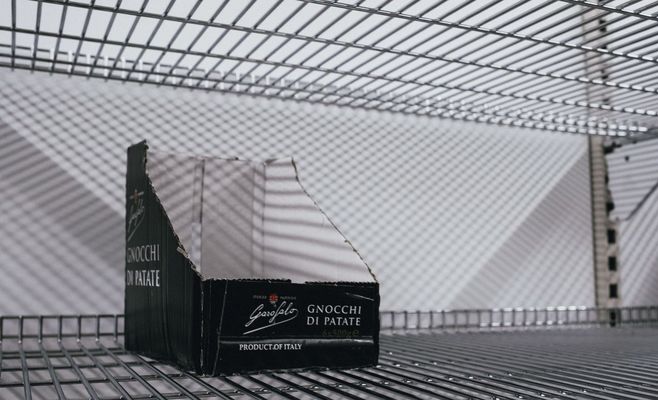
The situation is worst in Germany: according to the local association of gas storage operators, storage levels there will reach at best 77 percent by early November. In early September, storage facilities were only about half full — the lowest level recorded in 15 years of monitoring such reserves.
Why storage facilities remain empty
Traders are normally encouraged to fill storage during the low season by cheap gas prices. This year, however, prices have risen sharply because of the conflict in the Middle East that broke out in late February. Hopes for a swift resolution of the crisis and a subsequent drop in prices further discouraged companies from restocking — but that price drop has yet to materialize.
A similarly low level of gas reserves can be seen in the Netherlands and Belgium. Last year the European Union introduced a mandatory annual storage-filling requirement as insurance against supply disruptions, but readiness levels vary widely among member states.
The situation in Czechia
According to the Czech Ministry of Industry and Trade, the country's gas storage facilities were nearly 70 percent full at the start of September. That said, reserves are roughly a fifth lower than they were a year earlier. Still, the ministry insists there should be enough gas to get through the coming winter.
Alongside gas, fuel prices have also risen because of the Middle East crisis, and electricity has become noticeably more expensive over the past year. The interview also touched on how risky low gas reserves are for an industrial country like Czechia, and on Europe's broader dependence on energy supplies from unstable regions of the world.
Source: seznamzpravy.cz