Prague city police officer filmed striking pensioner on camera
USD 21,62
Popular
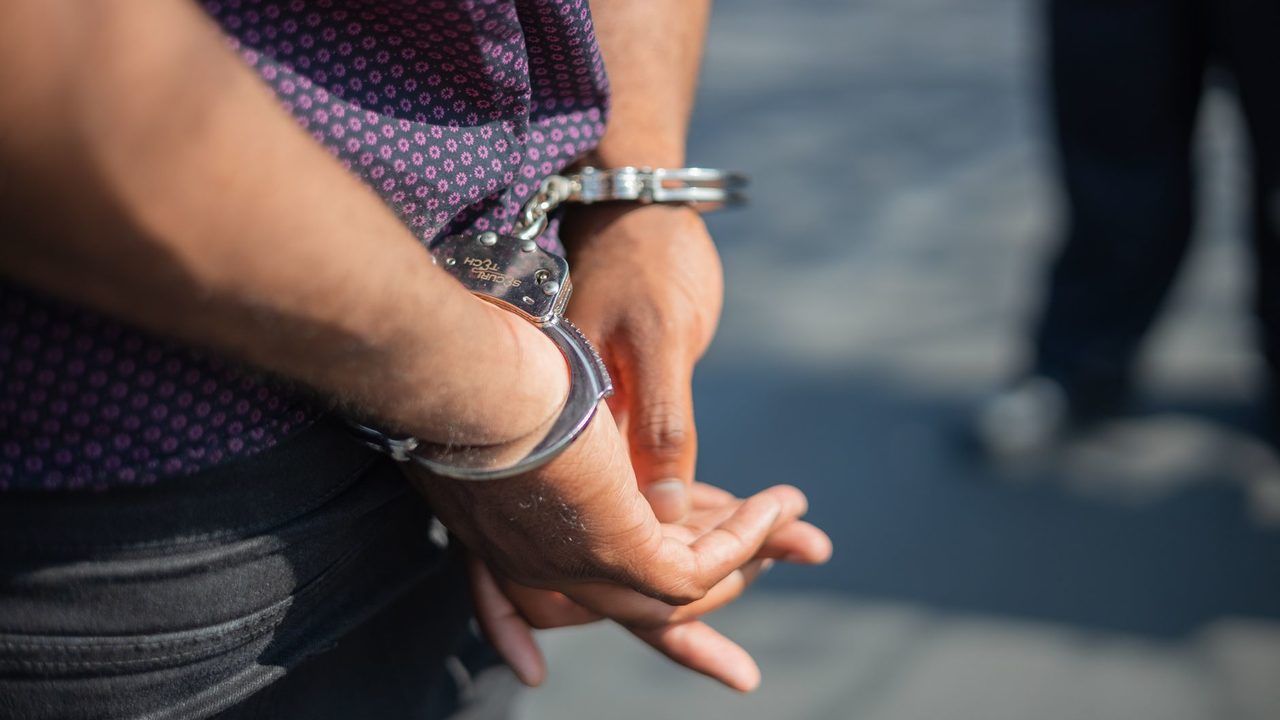
On the evening of 6 February 2025, on Prague's Smíchov embankment, municipal police officer Štěpán Nožička struck pensioner Zdenka Zemanová in the face, knocked her to the ground and handcuffed her. Zemanová had spent fifteen years feeding swans on the Vltava. A year and a half later, journalists managed to obtain the full recording from the patrol car's camera — and it confirms the injured woman's account while diverging sharply from the officer's official explanation.
What the camera recording shows
From the very beginning, the woman described the incident consistently: a punch, a fall to the ground, handcuffs behind her back. Officer Nožička claimed the opposite — that it was Zemanová who struck him on the shoulder, and only then did he use coercive measures. His partner on the patrol said he had not seen the blow to the woman's face at all.
The car camera recording shows a different sequence of events. During a tense exchange with the patrol officers, Zemanová abruptly raised her left hand and moved it downward near Nožička's forearm — the footage does not make clear whether she touched him at all, but it was certainly not a deliberate blow. A few seconds later, once the woman's hand was already lowered, Nožička — by then wearing leather gloves — struck her in the face, knocked her to the ground and handcuffed her. His partner merely looked on.
Over the radio, Nožička immediately reported that the woman had "hit him on the shoulder." But when the dispatcher decided to call in the state police, his account changed: "I wouldn't say it was a genuine attack on her part. She was trying to leave, I was standing in her way, and she wanted to push me aside. She grazed my shoulder slightly," the recording of the radio exchange states.
Thirteen months from the incident to the charge
The camera recording was in investigators' hands almost immediately. Specialists at the General Inspection of Security Forces (GIBS) concluded that the officer's actions "clearly show signs of abuse of power by a public official." However, municipal police officers do not fall under that body's jurisdiction, so the case was investigated by the regular police — who initially classified the incident merely as an administrative offense.
Štěpán Nožička was formally charged only in March 2026 — thirteen months after the incident. According to police spokesman Richard Hrdina, he faces several charges, chiefly for causing bodily harm and abuse of the powers of a public official. Nožička himself has refused to answer questions about the incident, citing the ongoing pretrial proceedings. He remains a defendant, not a convicted offender — guilt is for the court to determine — and, according to available information, he had not even been questioned yet after the March charge.
In the official police report, Nožička's actions are described in his own words: he claims he asked the woman to stop feeding wild birds, perceived her reaction as confrontational and used coercive measures to restore order — he called his actions "proportionate to the circumstances."
The second officer and the lawyer's questions
The case is not limited to charges against a single officer. Zdenka Zemanová's lawyer, Michaela Dobrovičová, disagrees with the investigation's focus, arguing it centered mainly on the blow itself rather than on everything that followed in the treatment of the handcuffed woman. She is also outraged that no charges were brought against the second officer on the patrol, Tomáš Dressel, who told police he had not seen the blow — even though the camera footage shows him facing Zemanová and his colleague at that very moment.
A year and a half after the incident, Dressel still maintains his original statement: "I didn't see it," he said when asked directly whether he saw his colleague strike the woman. He claims he did not even know the recording existed. Dressel says he has no idea whether his own actions during the arrest are still under review: he says no one has contacted him since his first interview last spring.
Why the investigation into a case so thoroughly documented on video has dragged on for so long remains unclear. The Prague Municipal Public Prosecutor's Office notes that even strong evidence such as video footage cannot be assessed in isolation from the rest of the case file — the timeline is also affected by the gathering of additional evidence and the legal classification of the incident.
Source: seznamzpravy.cz