Nepal After the Glacier Collapse: Death Toll Climbs as Hopes of Finding Survivors Fade
USD 21,79
Popular
The death toll from the disaster triggered by the collapse of a Himalayan glacier and the subsequent flooding continues to rise in Nepal, while the chances of finding survivors beneath the rubble shrink with each passing day. This was reported by Phanindra Poudel, a representative of Nepal's crisis operations centre.
"The hope of finding survivors is fading. We are praying and we are hopeful. But hope is just hope," he said. Binoj Basnet, who led search-and-rescue operations after the devastating 2015 earthquake that killed roughly 9,000 people, warned: "Given the nature of this disaster and the terrain of the affected area, the chances of finding survivors are decreasing every day."
International Aid and Equipment
Specialised teams from India, China and the United States have joined the rescue effort, bringing in equipment including acoustic sensors to detect people trapped under debris. Rescuers with heavy machinery have managed to clear a road to the Kyirong border crossing, which should speed up the search for those still missing. Chinese and Indian experts are helping build temporary bridges to reach hard-to-access areas, while drones are being flown over locations that remain otherwise unreachable in search of survivors.
According to the BBC, the most remote settlements are being supplied solely by military helicopters, and villages continue to face fuel and electricity shortages. China's Ministry of Foreign Affairs said it would send additional specialists to Nepal to help identify victims through DNA analysis, along with refrigerated units for bodies and communications equipment.
From Rescue to Recovery
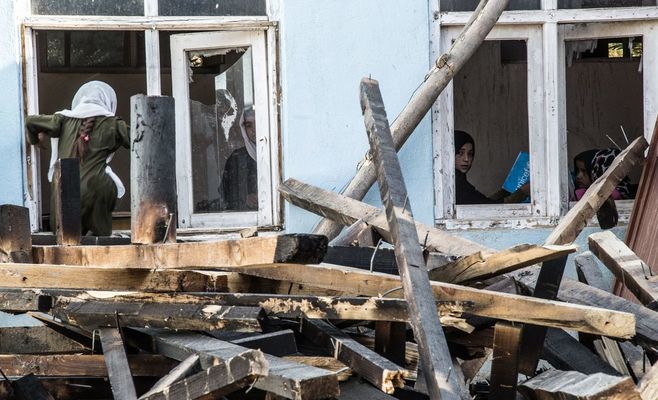
Nepal's Prime Minister Balendra Shah said the focus is now shifting from search-and-rescue and humanitarian operations to recovery and reconstruction. Some 3,500 people remain homeless across the country, living in temporary camps set up in schools.
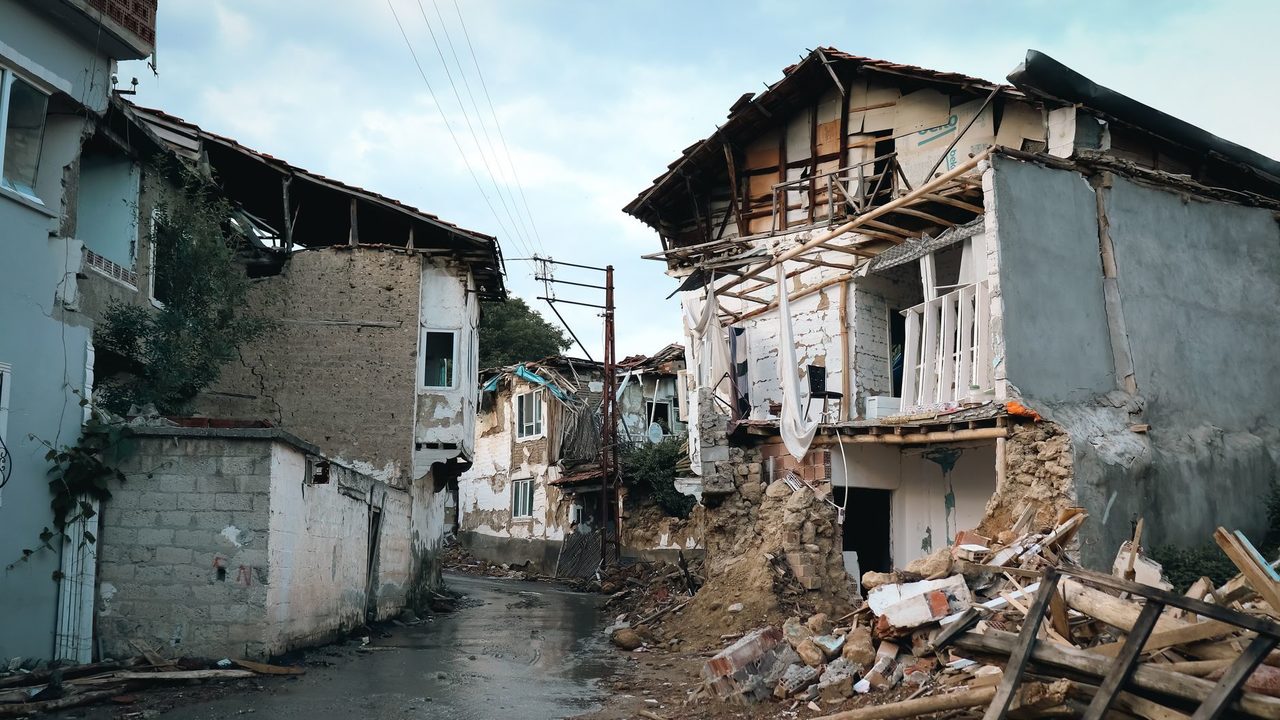
According to the UN Development Programme (UNDP), the disaster left behind at least 2.2 million tonnes of debris, including building rubble and rock. UN spokesperson Stéphane Dujarric expressed concern over health risks to the population, pointing to overcrowded evacuation centres, contaminated water and damaged medical facilities.
The flooding on 26 August was caused by a rockfall linked to the collapse of part of a Himalayan glacier. The mass of ice and rock crashed into a valley and formed a natural dam, behind which water accumulated. When this natural barrier gave way, a powerful surge swept down the Trishuli River, destroying homes, buildings, roads and bridges and carrying away silt and rock in its path.
Source: novinky.cz