US Sends NATO Allies a Loyalty Questionnaire on Trump
USD 21,73
Popular
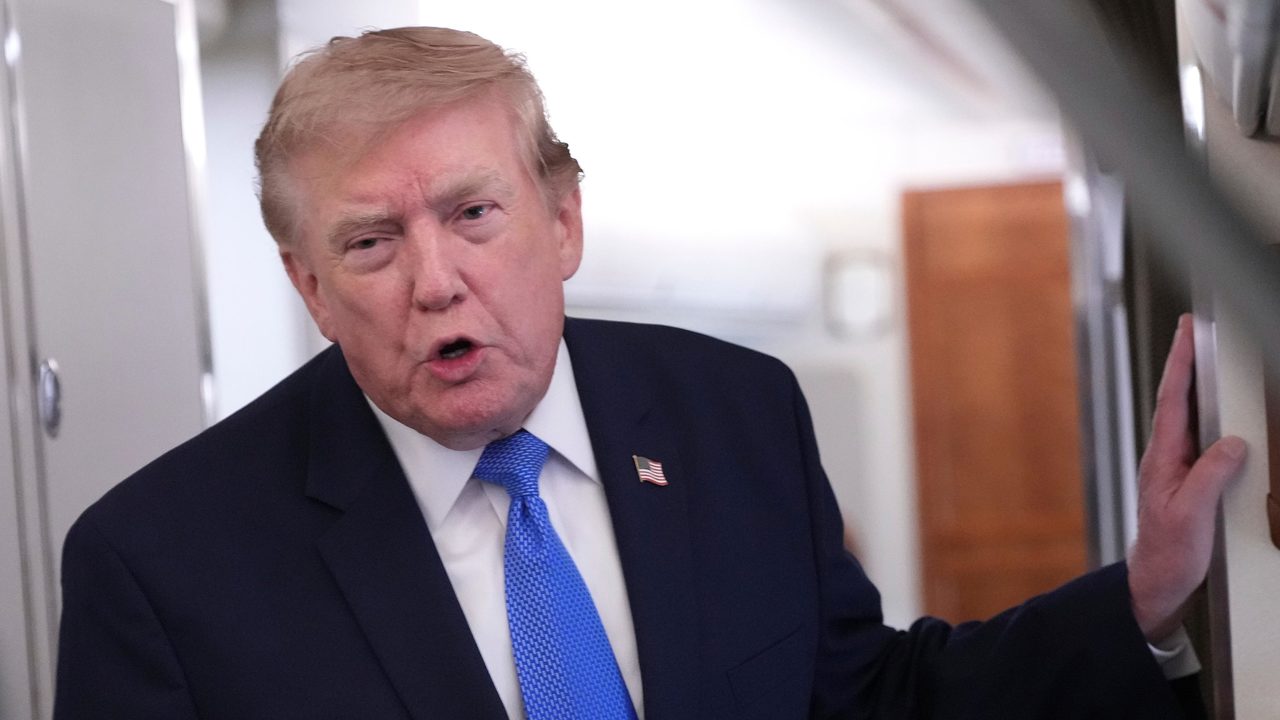
The administration of US President Donald Trump has sent NATO allies a questionnaire probing their political loyalty to Washington's course, Bloomberg reports, citing sources familiar with the matter. Among other things, the document asks whether alliance member states spend money on American defense contractors and whether they have publicly opposed regulations that "hinder" contracts with US companies.
One item in the questionnaire directly quotes US Defense Secretary Pete Hegseth's May speech in Singapore: "Has the country shown alignment with the American approach of 'strong, clear, and quiet'?"
Allies unhappy with the pressure
According to Bloomberg, the initiative has gone down badly within NATO, where officials see it as an attempt to force allies to fall in line ideologically with the US administration in exchange for military protection. Tying Washington's long-standing security commitments to political loyalty could reshape the very foundation of the transatlantic alliance, built after World War II on American military guarantees that had previously been independent of political disagreements.
Trump's team has already backed right-wing forces in Germany and Hungary, and in May the US president announced the deployment of additional troops to Poland — a country where his preferred candidate, Karol Nawrocki, won last year's presidential election.
Reassessing the US military presence in Europe
The questionnaire was sent out weeks after the start of a six-month review of the American military footprint in Europe, due to wrap up in December. Bloomberg reports that alliance members are already bracing for a significant reduction both in the number of US troops stationed in Europe and in the forces Washington could deploy in the event of an attack on the continent.
The agency notes that the document also indirectly touches on other contentious issues dividing Washington from the rest of the alliance — including US strikes on Iran, the seizure of Venezuelan President Nicolás Maduro, and European countries' preference for local firms in defense procurement. The question about public support for American foreign policy directly references "initiatives" in the Middle East and the Western Hemisphere — actions Trump took without NATO's approval.
Source: novinky.cz