Winter Stargazing 2026-27: Three Supermoons, Geminids and Jupiter at Its Brightest
USD 22,26
Popular
Winter brings long nights and a crowded sky. From December through February, stargazers can see three supermoons in a row, one of the year’s brightest meteor showers, Jupiter and Mars at their closest, and a view of Saturn that is slowly improving, Live Science reported.
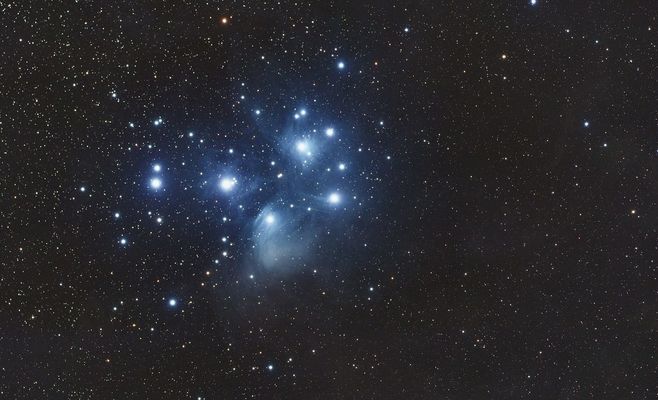
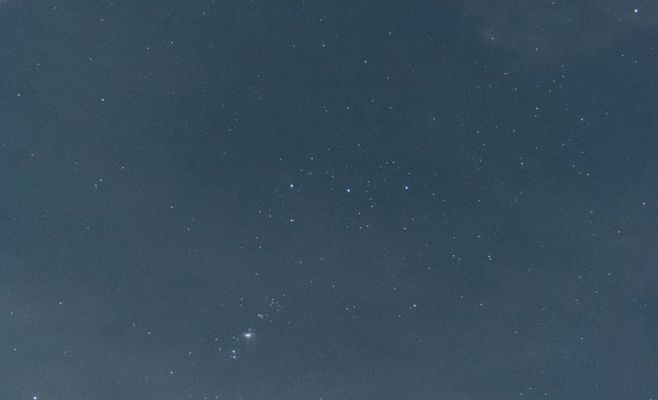
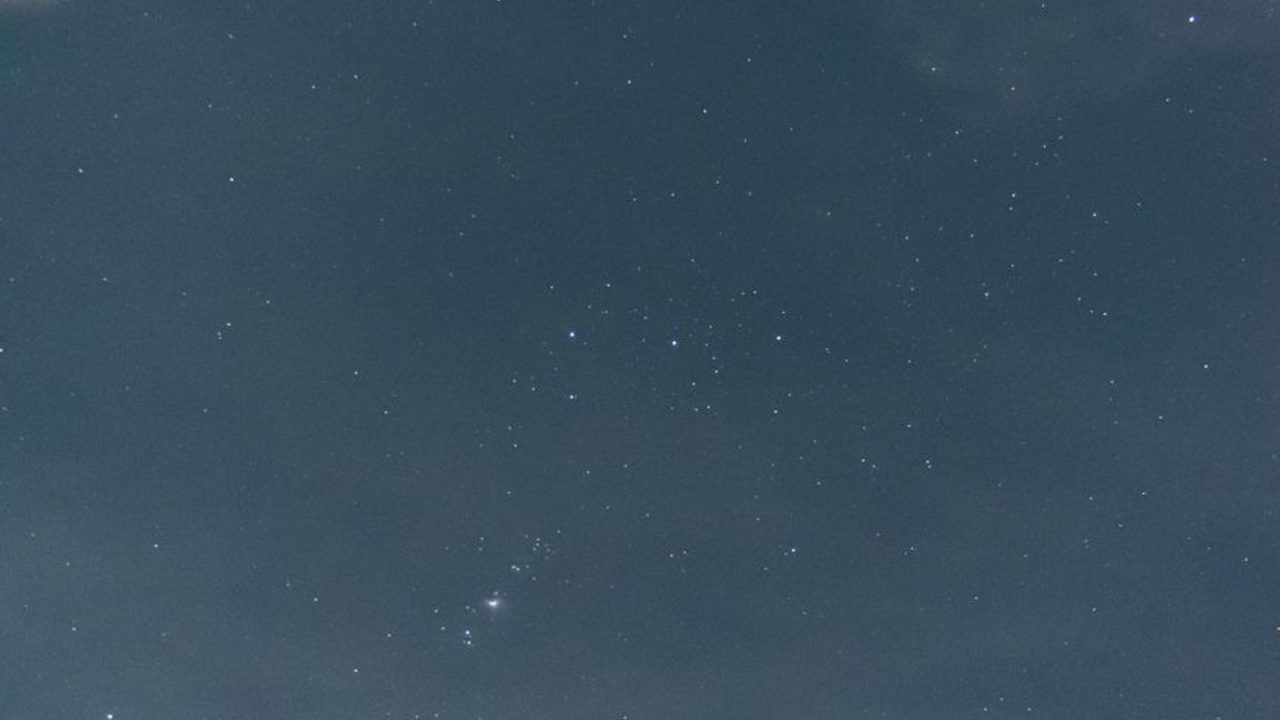
Some of the highlights depend on this year’s timing, but the winter constellations and deep-sky objects return every year. The return of Orion and the Pleiades is part of the season, along with Jupiter and Saturn coming back into the night sky.
Winter sky calendar
- Dec. 4-20, 2026: The Geminids meteor shower is active, peaking on the night of Dec. 13-14. A waxing crescent moon sets early, leaving dark skies after around 9 p.m., and Live Science noted that this is one of the few showers that peaks before midnight.
- Dec. 24, 2026, at 01:28 UTC: The Christmas Eve supermoon, the last full moon of the year and traditionally called the Cold Moon. In North America that works out to late evening on the 23rd. It will look up to 14% larger and 30% brighter than a normal full moon.
- Jan. 22, 2027, at 12:17 UTC: The Wolf Moon, the first full moon of 2027, is also a supermoon.
- Feb. 6, 2027, around 16:00 UTC: An annular solar eclipse visible from South America and Africa, appearing as a “ring of fire.”
- Feb. 10-11, 2027: Jupiter reaches opposition, when it is brightest and closest to Earth.
- Feb. 19, 2027: Mars reaches opposition.
- Feb. 20, 2027, at 23:24 UTC: The super Snow Moon coincides with a penumbral lunar eclipse.
The supermoons and eclipses
Counting November’s supermoon, Live Science said this makes four in a row. The February eclipse is a penumbral one, in which the moon passes through the faint outer part of Earth’s shadow. The moon only dims slightly, so it will be far less dramatic than a blood moon eclipse.
The annular solar eclipse happens when the moon passes between Earth and the sun while it is near or at its farthest point from Earth. The sun is not fully blocked and the sky does not turn dark.
The planets
Jupiter at opposition is the best time to see its bands, the Great Red Spot and its four Galilean moons. Live Science said the moons can be seen with big astronomy binoculars, such as 15x70 models, but a telescope is needed for detail on the planet itself.
Saturn rises earlier through the winter, making it easier to see at a reasonable hour. The rings were edge-on last year and are now showing more detail, though it will be a few years before they are at full tilt again. A good view needs a telescope with at least 4 or 5 inches of aperture and an eyepiece giving at least 100x magnification. Smart telescopes and binoculars do not have the reach.
Mars returned to the evening sky in November after almost a year away. It is small with low-contrast features and is only observably close to Earth for a few months about every 26-27 months, so Live Science called its opposition the best chance to see it. A telescope needs 4-6 inches of aperture at minimum, and even large telescopes often show only a fuzzy orange dot. The nearly full moon on opposition night will hurt viewing conditions.
What this means for stargazers
Most of these sights need only your eyes. The Geminids, the supermoons and the planets as bright points of light are all visible without equipment, and the guide notes that beginners can simply step outside and spot Mars. Saturn’s rings and Mars’s finer details are the exceptions, and both call for a proper telescope rather than binoculars or a smart telescope.
For anyone planning ahead, the dates above are the ones that depend on this year’s timing. The constellations and deep-sky objects, by contrast, are available every winter.
Around Prague, based on reporting by Live Science