Czechia asks Germany and Poland to regulate cormorant numbers
USD 21,86
Popular
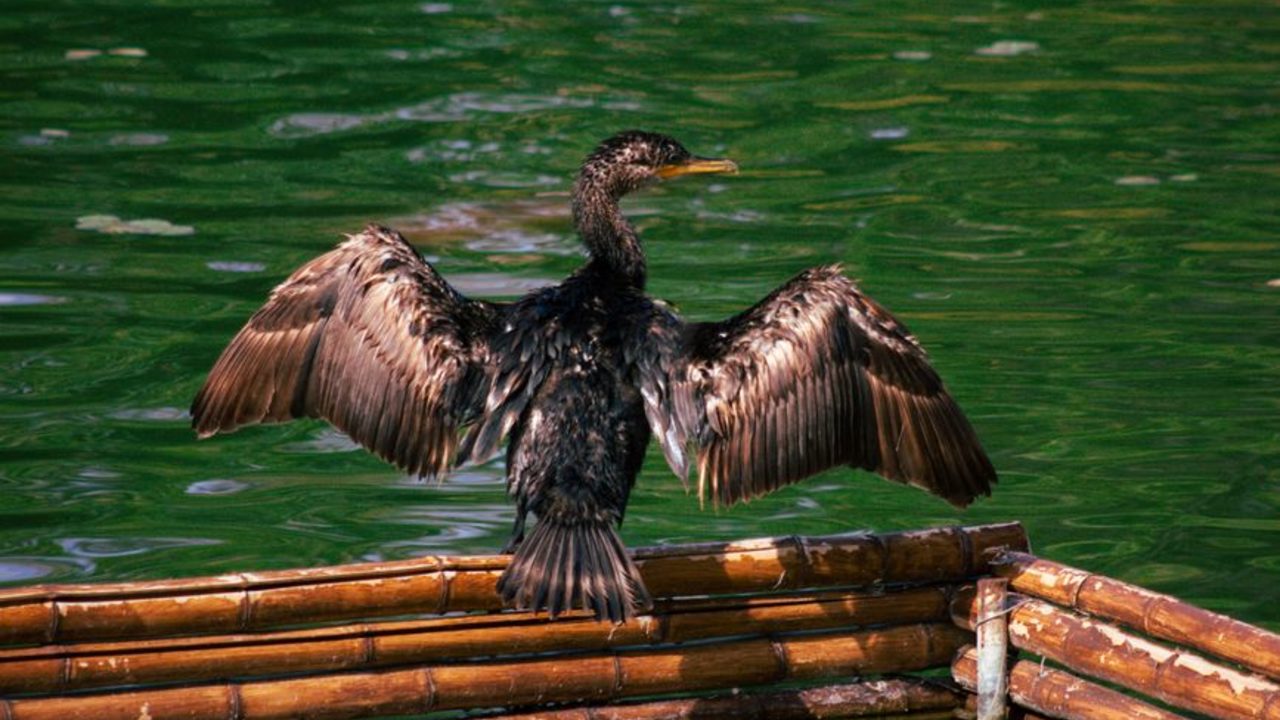
The Czech Ministry of the Environment has asked Germany and Poland to take steps to regulate great cormorant populations. Minister Igor Červený says the birds do most of their damage during migration and in winter, and that the European Commission, in the ministry’s words, has reacted too slowly.
According to the ministry, winter is exactly when cormorants do the greatest harm. The great cormorant feeds exclusively on fish and hunts where prey is easy to catch: in ponds, on regulated stretches of rivers and near weirs, where fish have nowhere to hide. The ministry says it is not only farmed fish that suffer: the birds can also affect populations of wild species, especially weakened ones such as the grayling.
“Back in May, we called on the European Commission to ensure a coordinated approach in response to the growth of the great cormorant population in Europe. Now I have turned directly to our neighbors, Germany and Poland, with a request to take active measures to regulate the source cormorant populations on the coasts of the North and Baltic Seas. The cormorants cause the main damage when they fly to us during migration and in winter,” Červený said.
After a decline in the 20th century, the number of great cormorants in Europe has risen markedly again in recent decades, the ministry says: there are now more than half a million pairs, and by some estimates up to two million birds. In Czechia, the species was removed from the list of specially protected species in 2013. In places where the cormorant does the most serious harm, such as South Moravia and the pond regions of South Bohemia, it may be hunted everywhere.
Source: ekolist.cz