Trichinella parasite found in wild boar in Karlovy Vary region
USD 21,65
Popular
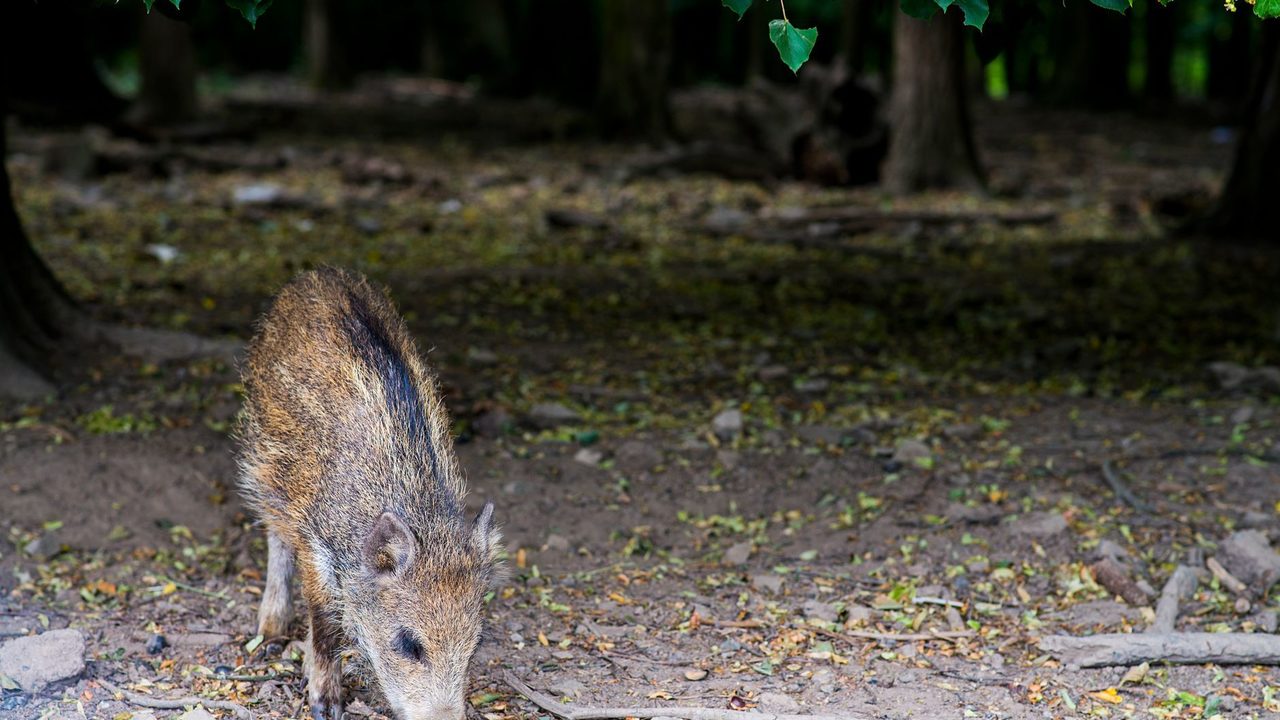
In the Karlovy Vary region, veterinarians have found a wild boar infected with the dangerous trichinella parasite: the animal arrived at a local game-processing point for inspection along with other carcasses. The discovery was made during veterinary oversight currently carried out by inspectors and technicians from the State Veterinary Administration (SVS) at around a hundred businesses across the country that examine incoming game.
“A veterinary examination at game collection points always includes taking samples and sending them to the State Veterinary Institute for testing for trichinella. For boars that are not handed in through such points, responsibility for the trichinella check lies with the hunters themselves,” said SVS Director General Zbyněk Semerád in a press release.
Boars from abroad are infected more often
According to the veterinary service, about 275,000 wild boars were inspected in Czechia last year, almost 2,800 of them imported from abroad. Finds of the parasite are rare, but this year four cases have already been confirmed in imported animals — two from Hungary and two from Poland. In a boar caught directly in Czechia, trichinella was last detected in September last year in the Frýdek-Místek area. The parasite has not been found in domestic pigs in the country for a long time.
Why trichinellosis is dangerous for humans
The parasite causes a disease called trichinellosis, which can be contracted by eating insufficiently cooked meat. The illness can be severe and in extreme cases leads to death.
As the State Institute of Public Health explained, the symptoms and their severity depend on the number of larvae that enter the body — ranging from no symptoms at all to a mild, severe or life-threatening course. In the first days after infection, nonspecific signs of the intestinal phase appear: nausea, diarrhea, vomiting, fatigue, fever and abdominal pain.
This is followed by a phase in which the larvae penetrate the striated muscles: headache, fever, chills, cough, characteristic swelling of the face and eyes, joint and muscle pain, itchy skin, diarrhea or constipation, and eosinophilia — an increased number of white blood cells in the blood or tissues — all appear. In severe cases, coordination problems and heart and breathing complications are possible.
Gastrointestinal disorders appear within the first days after infection, while systemic symptoms usually appear after 8–15 days. Depending on the number of larvae ingested, the first signs can appear either earlier or later — from 5 to 45 days after infection.
Source: novinky.cz