Inclusion in Czech schools: six children with special needs
USD 21,86
Popular
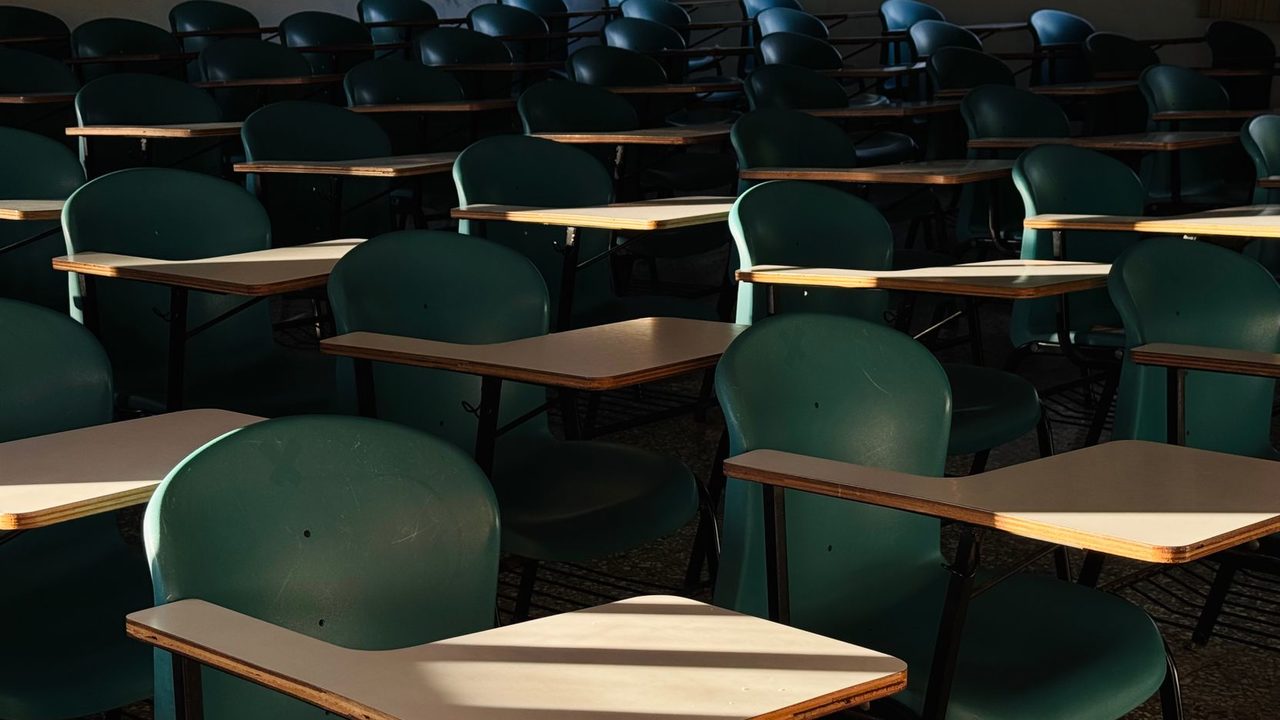
In Czech schools, teachers increasingly work in classes where children with different educational needs learn side by side. Sedláčková, a student at a teacher-training faculty, says that in her class, as a rule, one or two children need support measures. From fellow students she also knows of cases where a single class has as many as six such pupils, which can happen because of school catchment areas or diagnoses made later on.
With a total of around 26–30 children, she says, the situation becomes very difficult: a teacher cannot give attention only to those who need the most support. One class may include three pupils who struggle with the material, two particularly gifted children who need extra tasks, and more than twenty other classmates. They, too, need explanations, feedback and the teacher’s attention.
One task at different levels
Future teachers are trained precisely for working with a mixed class, Sedláčková says. In maths, for example, they learn to “grade” problems, that is, to design them so that they can easily be made simpler or harder. “So that it genuinely covers the whole range of children who usually end up in one class,” she explains.
In theory, every pupil gets work suited to their abilities. But in an ordinary lesson it is more complicated: “Actually getting everyone to work during the lesson can be hard,” she admits. To manage such a class, preparation is not enough; it takes experience and pedagogical instinct, which come with practice.
Easier with an assistant
A noticeable difference appears when the class has a teaching assistant: the work can be divided and children can learn in small groups.
Moreover, for a teacher, inclusion does not end when the bell rings: support measures, and especially individual education plans, require additional paperwork and preparation.
Experience in an ordinary class shows that simply having children with different needs sitting side by side is only the beginning. Every lesson has to be built so that the child who needs help copes, the average pupil is not left behind, and the one who is clearly ahead of the others does not get bored.
Source: novinky.cz