Unclaimed cash-on-delivery parcels are costing Czech online shops dearly — and locals are even gaming the parcel boxes
USD 21,73
Popular
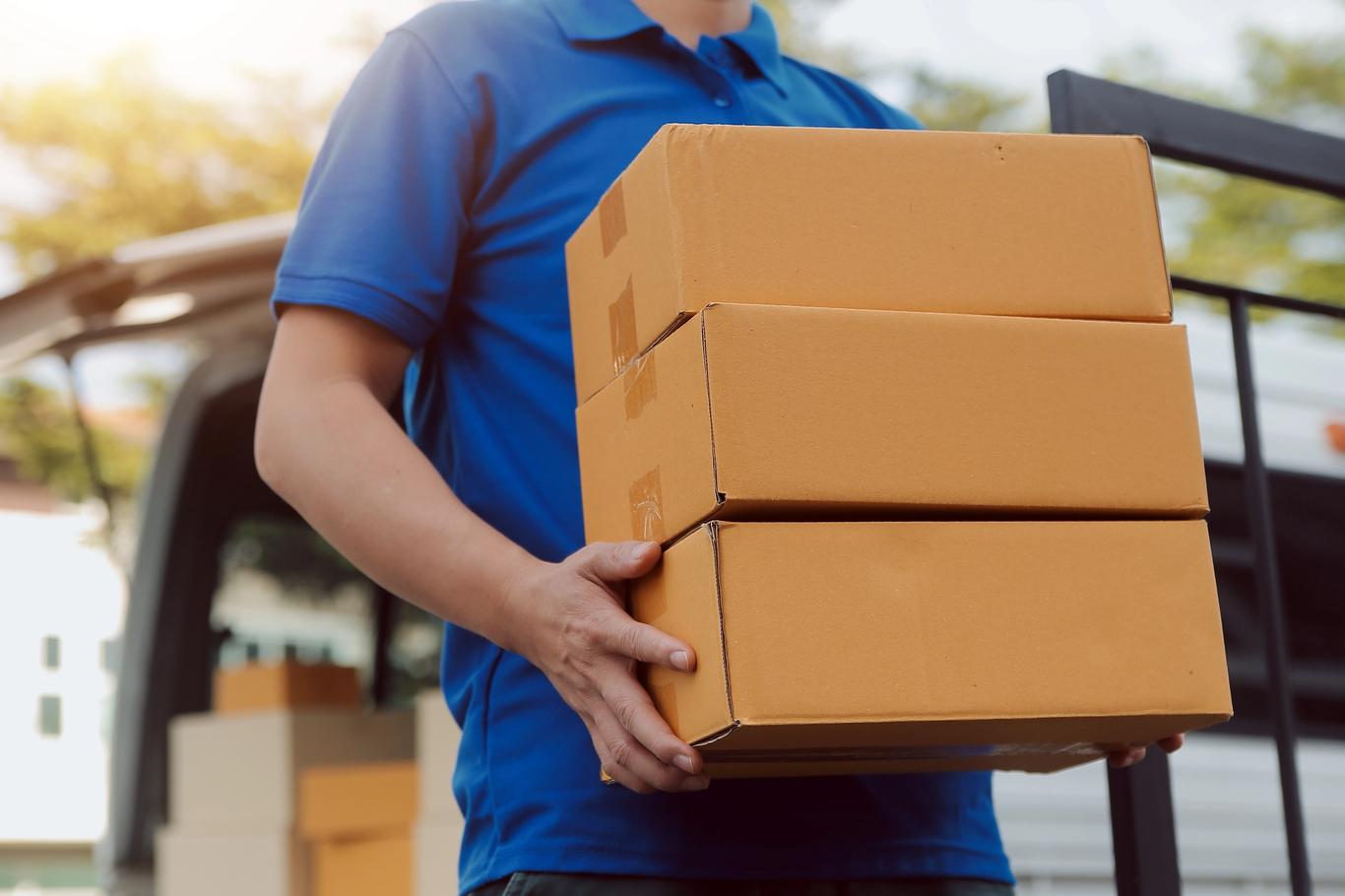
Courier and logistics firms are being forced to haul goods back and forth: Czech online shops are complaining about a mass wave of customers refusing to pick up cash-on-delivery orders. According to Martin Kudera, founder of the e-shop Živina, the share of unclaimed parcels among cash-on-delivery orders is noticeably higher than among prepaid ones.
That's why Živina raised its cash-on-delivery fee to 49 crowns this year. For a specialised retailer like Živina, the problem is especially painful, since it sells chilled fermented products — kimchi, kombucha, sauces. If a parcel isn't collected, it spends several days travelling back and forth outside the required temperature range, and the goods often have to be written off rather than put back on sale. Kudera stressed that the goal of the higher fee isn't profit, but encouraging customers to pay in advance by card or bank transfer. The shop isn't ready to scrap cash-on-delivery altogether, though, since some customers — mostly older ones — insist on paying that way.
Patrik Šťastný, operations director at Vivantis, confirmed to Deník.cz that prepayment is the most advantageous option for retailers, since it eliminates the risk of unclaimed parcels. According to him, some customers order the same item cash-on-delivery from several online shops at once and only pick up whichever parcel arrives first. Each such unclaimed shipment costs the company roughly 40–60 crowns excluding VAT just in transport costs — not counting handling, restocking and administration. As a result, Vivantis set its cash-on-delivery fee at 39 crowns; this payment method accounts for around a fifth of all the company's shipments.
According to Šťastný, card payments and other cashless methods dominate in Czechia, whereas cash-on-delivery remains notably more popular in Eastern Europe — in Romania, for instance, 70–80% of online shoppers choose it.
Problems also crop up with prepaid orders. As a Deník.cz reporter has repeatedly witnessed, some couriers don't follow the delivery rules: the customer is notified of the parcel by SMS and email, confirms they'll be home via the carrier's mobile app — yet the courier doesn't get in touch and instead hands the paid-for parcel to a stranger.
PPL spokeswoman Michaela Tůmová explained that, under the company's terms, parcels are delivered to the first lockable door at the recipient's address, and under certain conditions may be handed to a "substitute recipient" — an adult relative or another person present at that address. She said handovers are always verified, either with an authorisation PIN or a signature on a scanner. In practice, however, the reporter found that a courier handed over a parcel with no verification and no prior phone call. PPL admitted that most drivers usually call recipients in advance simply to speed up the delivery process.
Because of such risks, many Czechs prefer to collect their orders at pick-up points — in particular, the increasingly popular automated parcel boxes, of which there are now thousands across the country. According to a recent survey by the NMS agency, home delivery tends to be pricier: on average, 22% of parcels are delivered directly into customers' hands (19% to a home address, 3% to a workplace). The same share of orders is collected at regular shops — especially for electronics, appliances or medicines.
Roughly three-fifths of Czechs have already used parcel boxes personally, and for most, it's become a routine part of how they shop. While some Czechs criticise the boxes for cluttering public space and affecting city aesthetics, the survey's conclusion is clear-cut: convenience and accessibility outweigh the grumbling. Up to 80% of users visit a box at least once a month, and among "young millennials" (aged 29–36), 37% do so at least once a week.
According to NMS, more than 90% of residents in towns with over 1,000 people say boxes are "fairly" or "very" accessible; among residents of smaller settlements (under 999 people), that figure is 59%. Agency expert Stanislav Radocha noted, however, that home delivery remains essential for people with limited mobility, and is also the preferred option for grocery orders, given the volume of purchases and the importance of freshness. Even so, around a quarter of online grocery shoppers occasionally pick up their orders at a pick-up point — a box or a shop.
The main reason boxes are so popular is the ability to choose a convenient collection time — cited by 87% of respondents. Almost a third of users (31%) value having a box close to home or work, while 30% point to lower delivery costs compared with other methods. Overall, parcel boxes are the most popular way to receive online orders in Czechia: on average, 25% of all online purchases are delivered to them, most commonly clothing and footwear (39%), electronics (32%), cosmetics (31%), and books and games (34%).
Source: denik.cz