Noticing Time method: how to teach kids to notice mess at home
USD 21,81
Popular
Children don’t ignore mess out of spite: they simply don’t see it. That is the conclusion reached by American Kate Mangin, and her home-tidying method Noticing Time is built on this observation: a timer set for 15–30 minutes and not a single prompt.
An experiment that began by accident
It all started in 2020, during the pandemic, when families were stuck at home. Mangin’s house was constantly messy: if she didn’t tidy up herself, nobody did. One day she set a timer for 20 minutes and asked her two children, aged six and nine, to walk around the house, notice what needed doing and get on with it. No to-do list and no instructions.
The children just stood there. They really didn’t notice the mess. Mangin then realised that the problem wasn’t unwillingness to help, but that the children hadn’t yet learned to perceive what requires attention. “Noticing what needs to be done doesn’t come naturally to anyone. It’s a skill we learn,” she explains.
Harvard University sociologist Allison Daminger classes this as so-called cognitive labour, that is, the invisible thinking, planning and anticipating of needs. According to her research, what matters is not only completing a task but who is the first to notice that it needs doing. A typical example is keeping track of what is in the fridge and realising in time that the milk is running out or the bin is overflowing.
How Noticing Time works
The principle is simple. Set a timer for about 15 minutes for little ones and 20–30 minutes for older children, and send them around the house. The task is to notice what needs tidying and do it themselves. No lists and no precise instructions.
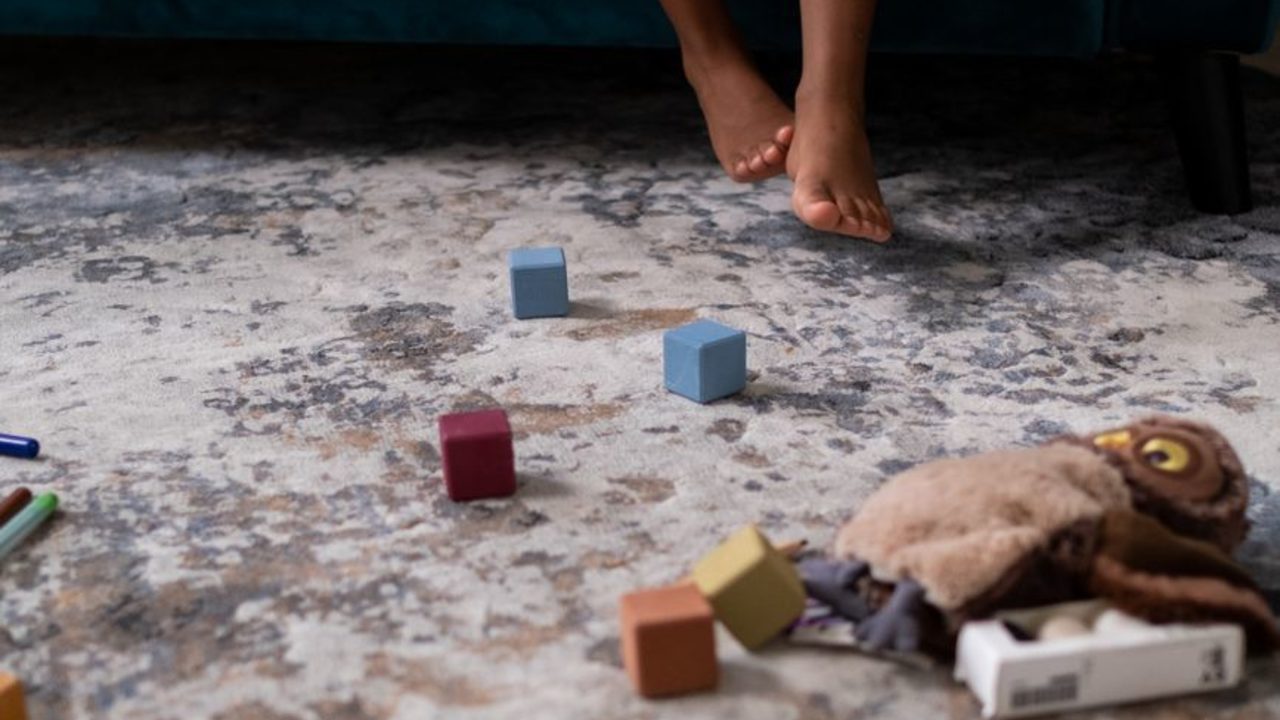
The goal is not for children to tidy the “right” things, but to learn to see what requires attention. So the first attempts won’t necessarily end with a perfectly clean room: children are only learning to recognise mess and to think about where things belong.
“At first you can help them, for example by focusing on the floor and picking up everything they think doesn’t belong there and can be picked up. Then agree together where things go, say, dirty pyjamas in the laundry basket. When the timer runs out, thank the children and let them get back to their own business,” Mangin advises.
Benefits beyond a tidy home
According to its author, the value of the method goes beyond tidying itself. It develops cognitive skills, flexibility and independent thinking, skills that will serve children in adult life too. Over time they begin to notice not only mess but also the needs of those around them: for example, understanding when a person needs a hug and when it is better to leave them alone.
That is the point: to raise not just children who clean up after themselves, but people who are sensitive to what is happening around them and can work out for themselves what needs to be done — at home, in relationships and later in life.
Source: novinky.cz