Supermoon Math: Why Astronomers Disagree on Which Full Moons Count
USD 22,33
Popular
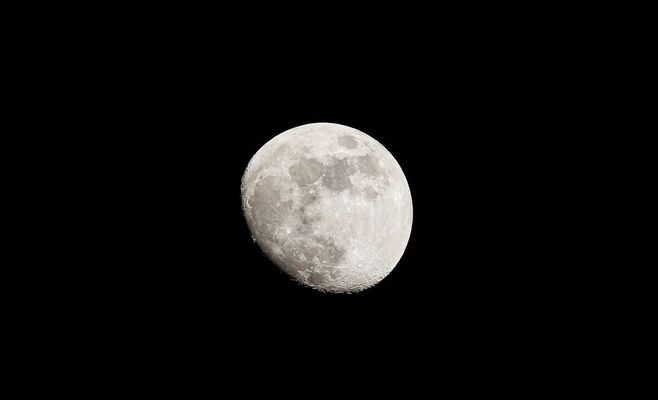
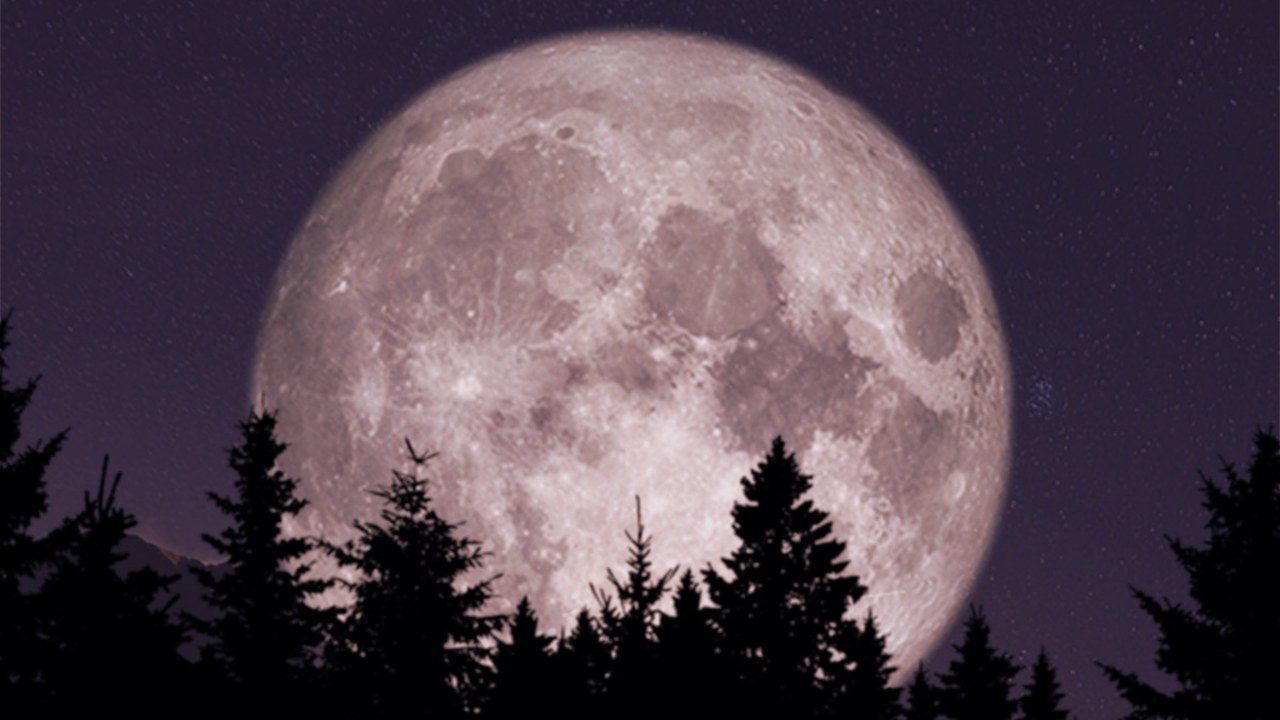
The Beaver Moon that peaked Tuesday morning is the first of four straight supermoons, but the label is looser than it sounds. According to Smithsonian Magazine, "supermoon" is not an official astronomical term, so whether a given full moon qualifies depends on which definition you use.
That matters for the three still to come. Smithsonian, citing AstroPixels.com, lists them for Dec. 24, Jan. 22 and Feb. 20. One of them sits right at the edge of the stricter definition.
Why the moon gets closer and farther
The moon travels around Earth in an oval path, so its distance changes during each orbit. Smithsonian reports the closest point, called perigee, is around 226,000 miles away, and the farthest, called apogee, is around 251,000 miles. A supermoon is a full moon that happens near perigee.
Two definitions, different answers
NASA and the Royal Observatory Greenwich in London count a full moon as a supermoon if it falls within 10 percent of perigee, according to Smithsonian. Carys Herbert, an astronomer at the observatory, told BBC Newsround that some astronomers use a tighter rule: the moon must be within about 223,694 miles of Earth.
Smithsonian gives the distances for this season's four full moons:
- November: 224,171 miles
- December: 221,668 miles
- January: 222,230 miles
- February: 225,748 miles
Smithsonian says some astronomers using the stricter definition do not count February. By the 223,694-mile figure alone, November's distance is also slightly farther out, though Smithsonian singles out only February as left off. Which moons are "super" therefore depends on the cutoff chosen.
How rare the Christmas Eve moon is
Live Science's Jamie Carter, as cited by Smithsonian, wrote that the December moon is the closest full moon to Earth since 2018. Herbert told BBC Newsround that the answer to how rare a Christmas Eve full moon at perigee is also depends on the definition. Under the stricter one, the last occurrence was 1787. Under the more generous one, which she said appears increasingly to be the standard, it also happened in 2007 and 1912.
What this means for skywatchers
The difference is subtle. Josh Morley of the Farmer's Almanac told Smithsonian that a supermoon is only 7 percent bigger than an average full moon. Compared with the faintest moon of the year, which occurs at apogee, it can look up to 14 percent brighter and 30 percent bigger. Smithsonian notes that most people looking with the naked eye probably will not see a difference.
In practice, the next three full moons are worth a look on their own terms, but readers should not expect a dramatic change in size. With a stricter definition, the count may be three or fewer rather than four. Smithsonian's listed dates are Dec. 24, Jan. 22 and Feb. 20.
A possible effect on tides
Full moons come with a larger gap than usual between high and low tides, AccuWeather meteorologist Brian Lada wrote, as cited by Smithsonian. The effect can be stronger when the full moon is nearer to Earth. Smithsonian said the Beaver Moon might contribute to coastal flooding ahead of Thanksgiving. The sources do not report any specific flooding.
Where the Beaver Moon name comes from
November's full moon is always called the Beaver Moon, whether or not it is a supermoon. Smithsonian, citing Daniel Higgins of the Farmer's Almanac, says one popular Algonquin and colonial explanation is that beavers reinforce their lodges and dams for winter at this time. Another is that November marks the start of trapping season, when beavers have grown thick winter coats and there is little snow to hinder trappers.
According to VICE, citing the Old Farmer's Almanac, full moon names were once applied to a whole lunar month, not only the night of the full moon. Other names for November's moon include the Whitefish Moon (Algonquin), Frost Moon (Cree and Assiniboine), Freezing Moon (Anishinaabe) and Deer Rutting Moon (Dakota and Lakota). VICE says these names all point to animals and communities preparing for winter.
Earlier on Around Prague: Beaver Moon Supermoon Lights Up Skies Worldwide; Next One Arrives Dec. 23
Read next
Beaver Moon Supermoon Lights Up Skies Worldwide; Next One Arrives Dec. 23
Hunter's Moon Rises This Weekend, Starting a Run of Four Supermoons
Winter Stargazing 2026-27: Three Supermoons, Geminids and Jupiter at Its Brightest
Around Prague, based on reporting by Smithsonian Magazine, VICE
Cover photo: NASA, public domain