BBC licence fee: why ministers reportedly prefer a streaming charge to a bills levy
USD 22,31
Popular
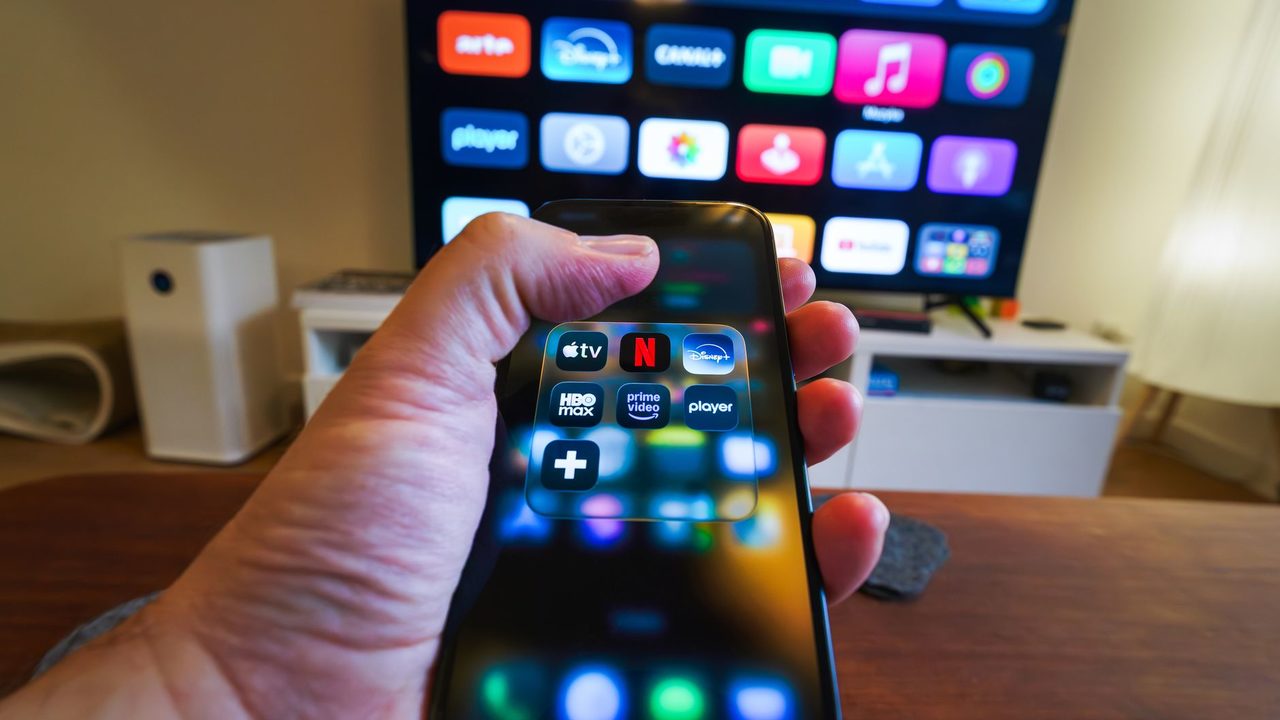
Ministers are reported to prefer extending the BBC licence fee to streaming services over two other options: a levy on household bills or a switch to a subscription model. Metro, citing the Times, reported that the extension was favoured over those alternatives, as the government weighs how to fund the corporation. The Department for Culture, Media and Sport says no final decision has been made.
Further detail has emerged on who would and would not be covered, how many people pay today and what the BBC's own leadership has said about the fee.
Why a streaming charge is reportedly the preferred route
Metro reported that the Times was told extending the fee to on-demand services was preferred to a levy on household bills or a subscription model. The paper said the move follows months of discussion about the future of the fee at a time when the BBC faces fierce competition from US streaming rivals.
The BBC's director-general, Matt Brittin, has taken a different line in public. The National reported that he suggested the fee should be scrapped and could be replaced with a compulsory levy on people's energy bills. He has also said the corporation is "locked into yesterday's model of consumption" and called the fee mechanism a "straitjacket".
Who would be left out
According to the National, which cited the Sunday Times, YouTube and social media platforms such as Instagram and TikTok would not be affected. Ministers are reportedly expected to argue that YouTube differs from subscription services because it is largely free to use and carries user-generated content. People who only listen to BBC radio or use the BBC's news website would also stay exempt.
Not every outlet agrees. TV with Thinus, a media blog, listed YouTube among the services whose subscribers would pay, while the Sunday Times account as relayed by the Mirror, the Independent and the National says it is not expected to be hit. Reports on this point differ, and the government has not confirmed any detail.
What the numbers show
- £180 a year: the current cost of a TV licence.
- 23 million: the number of people who still pay the fee, according to Metro, a figure that is reported to be falling as viewers switch to other sources of entertainment and evasion rises.
- 65 per cent: the share of the BBC's total funding that came from the fee in 2024/25, Metro reported. The rest comes from grants and commercial income such as royalties and rental fees.
- 18 million: the number of households with access to Netflix, according to the National. Many of them already pay the licence fee, so the number of new payers is unclear.
What it means for households
Under current rules, a licence is legally required to watch or record live television on any channel or service, to watch live programming on streaming platforms or to use BBC iPlayer, the National reported. Households that watch only on-demand content on services such as Netflix are outside that net today.
If the reported plans went ahead, those households would pay the fee on top of their existing subscription costs, whether or not they watch anything from the BBC. There had been speculation that ministers could lower the fee to make the change easier to accept, but the Sunday Times reported that no reduction is in the current plans, although talks continue.
What happens next
A government white paper on the BBC's funding model and future is due to be published next month. The corporation's current royal charter is due to expire in December 2027. Education Secretary Lucy Powell told the BBC's Sunday with Laura Kuenssberg programme that Culture Secretary Lisa Nandy is looking at various proposals to secure the BBC's long-term future, and that she did not think any decisions had yet been taken. All the proposals, she said, would be published in due course in a white paper.
Streaming industry sources have warned, according to the Sunday Times, that the change could lead customers to cancel subscriptions and companies to cut back investment in the UK.
Earlier on Around Prague: What the BBC licence fee plan could mean for Netflix and Disney+ subscribers
Read next
What the BBC licence fee plan could mean for Netflix and Disney+ subscribers
UK Budget Day: The Numbers Behind a Modest Plan on Bills, Defense and Taxes
Sky Sues Two Irish Households Over Illegal Streaming in a First
Around Prague, based on reporting by The National Scot, TV with Thinus, Metro.co.uk