Lucy Powell's curriculum reforms: what changes in schools, from oracy to citizenship
USD 22,31
Popular
Education Secretary Lucy Powell is due to set out the biggest overhaul of the national curriculum for over a decade on Monday, with a new speaking and listening assessment at the end of primary school and compulsory citizenship lessons. She has rejected claims that the changes will lower standards.
Speaking to the BBC's Sunday with Laura Kuenssberg programme, Powell said she is a mother of three and that some might call her a "tiger mum". She said she would be one "for the whole of the country", according to the Evening Standard and the Mirror.
What is changing
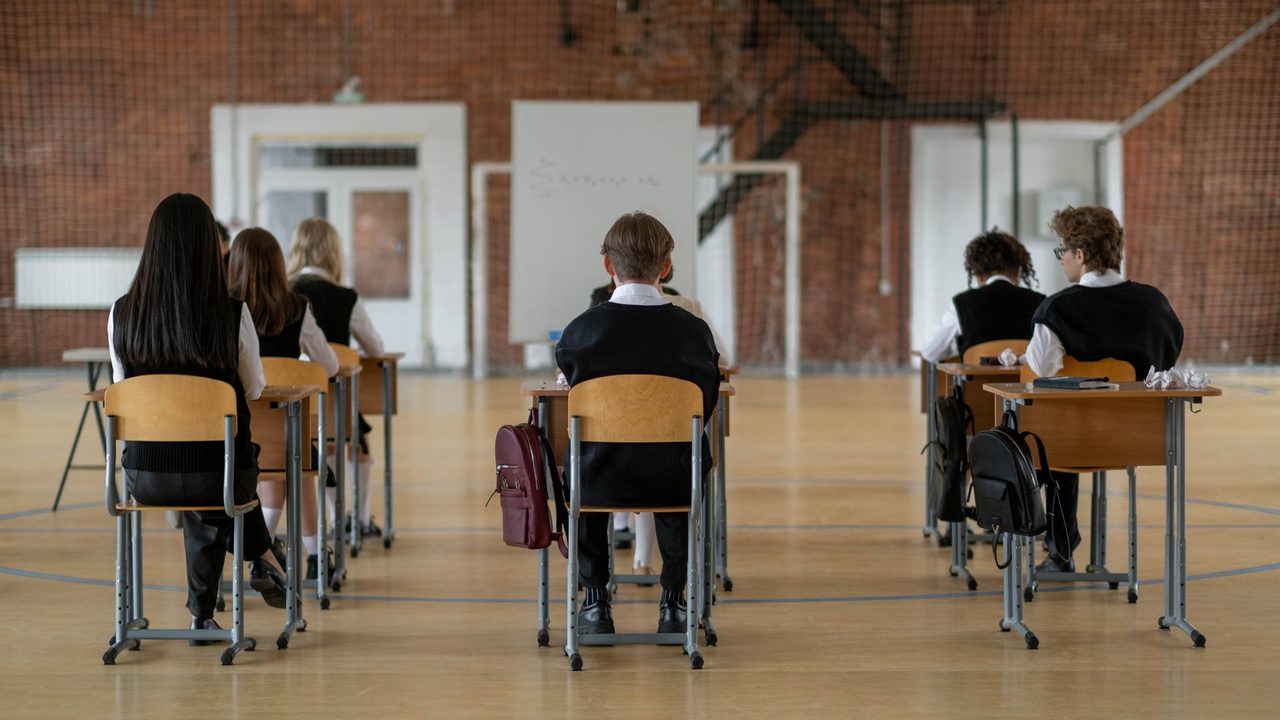
- Reading and communication: the reforms are built on stronger reading and communication skills. A new "oracy" assessment at the end of primary school will test children's speaking and listening.
- Citizenship and literacy lessons: citizenship will be compulsory, alongside digital, financial and media literacy, including classes on spotting misinformation and bias.
- Progress 8: the system used to measure school performance will change so that vocational, technical and creative subjects have equal status.
- Reading target: the Mirror reported last week that Powell will introduce a target to halve the reading disadvantage gap in Key Stage 2, covering pupils aged seven to 11, by 2035.
The reading gap behind the target
Official figures cited by the Mirror show that 81% of pupils who are not disadvantaged reached the expected reading standard by the end of primary school in 2026. Among disadvantaged children the figure was 63%. Reading levels remain low, the paper said, particularly among disadvantaged children and boys.
Less material in crowded subjects
Powell acknowledged that some material will be removed from subjects she described as overcrowded. The Mirror quoted her as saying difficult decisions had been taken in science and geography, particularly at GCSE. Asked whether that meant less of those subjects, she said it did not, and that the aim was to give pupils a firm grasp of the fundamentals they can apply. She told the BBC the changes would give children more time to master the basics while also experiencing the broader offer of education.
The reforms also move away from the EBacc system introduced by the former Conservative minister Lord Michael Gove. Powell described it as a straitjacket for too many pupils.
What school leaders say
Some of the changes have been welcomed, including the strengthening of citizenship education, but unions and school leaders say they need support to work.
Pepe Di'Iasio, general secretary of the Association of School and College Leaders, said that simply adding new requirements was unlikely to deliver the government's aims. He said many schools lack trained citizenship teachers and that timetables are already overcrowded.
Paul Whiteman, general secretary of the National Association of Head Teachers, called the proposals a significant programme of change. He said the success of the changes would depend on schools getting enough time, support and resources, and that the government must be equally bold in reducing expectations elsewhere.
Daniel Kebede, who leads the National Education Union, told the BBC he agreed the current curriculum is overloaded, saying the average primary child has half an hour of art a week. He raised a question about staffing: he said the government was elected on a promise of 6,500 new expert teachers, but there are 2,500 fewer in the system.
What this means for pupils and parents
For families, the main practical changes are a speaking and listening assessment at the end of primary school, compulsory lessons in citizenship and media literacy, and a school performance measure that gives equal weight to vocational, technical and creative subjects. Powell said the aim was to give pupils more pathways to success, with strong foundations in English, maths and science alongside a broader range of subjects.
The full detail of the reforms is due to be published on Monday.
Read next
How Dolores Huerta Went From Schoolteacher to Farmworker Movement Leader
Sally-Anne Bowen: Convicted Teacher Fails to Appear for Sentencing in London
Is Declan Rice Playing Against Man City Today? Arsenal Confirm He Is Out
Around Prague, based on reporting by Evening Standard, Mirror