Democrats Lock In a 56-Seat Senate Majority After Alaska Race Ends
USD 22,22
Popular
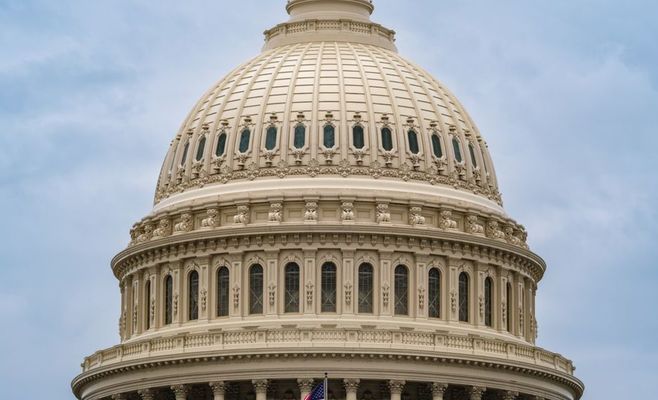
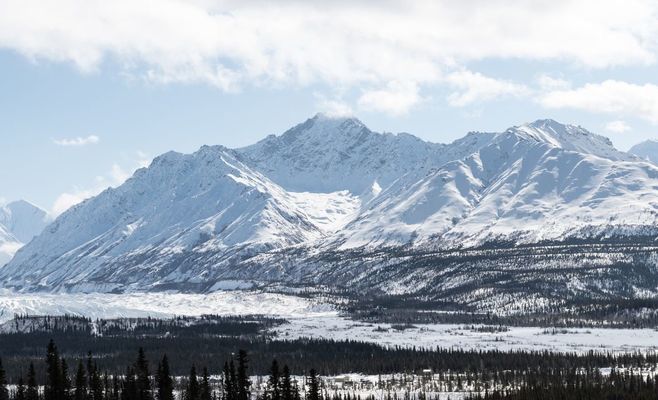
Democrats will hold 56 seats in the Senate when the new Congress convenes next year, their largest majority in nearly two decades, the Guardian reported. The tally became official on Tuesday, when the long ballot count in Alaska ended with Democrat Mary Peltola defeating incumbent Republican Dan Sullivan.
Sullivan was the ninth Republican to lose a seat to the opposition in the midterm elections. The Guardian described the result as a political earthquake that seemed unthinkable when Donald Trump returned to power two years ago.
How big a win is this?
Democrats needed to gain at least four seats to take the majority, most of them in states that backed Trump in 2024. They won more than twice that number, according to the Guardian, as voters soured on his handling of the economy, immigration and the war with Iran. It is the biggest Senate majority for either party since the first two years of Barack Obama's presidency, when his allies briefly held 60 seats.
The caucus will include long-serving senators from Democratic-leaning states and newcomers from states that have not sent a Democrat to the Senate in decades, such as Texas, South Carolina and Mississippi. Senate Democratic leader Chuck Schumer said Peltola's victory capped a great election year and that the party now has to earn voters' trust.
What Democrats say they will do
Schumer and House Democratic leader Hakeem Jeffries, who was nominated by his party on Wednesday to serve as speaker after Democrats won a decisive majority in the House, have said they plan an aggressive agenda of investigations and lawmaking once the new Congress starts. Schumer listed lowering costs, ending what he called corruption in the administration and ending its chaos as priorities. The Guardian reported that party leaders have pointed to issues where Democrats appear united, such as restoring subsidies for Affordable Care Act health plans or trying to force repeal of Trump's tariffs.
What the numbers cannot do
The new majority will still face the usual limits. Trump has two more years in his second term, and after it became clear on election night that Democrats had won control of Congress, he posted an image on Truth Social of a red cap bearing the word veto. Overriding a veto takes a two-thirds majority in both chambers, which the Guardian said would require cooperation from Republicans.
The 56 seats are also not enough to get around the Senate's filibuster, the rule that lets a minority block most bills, without at least some Republican votes. Over the past two years, the Guardian noted, Democrats used it to halt party-line Republican efforts, including bills imposing new voting restrictions. Dick Durbin, the No. 2 Senate Democrat, who is retiring at the end of the year, said in an interview that Democrats will still need several Republican votes for controversial measures, but that the margin gives them strength to make proposals that have not been made in a long time, such as on health care costs.
Why it matters: a fight inside the party comes first
Before any of that, Senate Democrats must settle their own leadership. Sen. Chris Van Hollen of Maryland announced last week that he is challenging Schumer for majority leader, and the caucus will vote behind closed doors on Dec. 1.
The new Congress, the 120th, will be sworn in on Jan. 3. Other divisive issues from the campaign trail are expected to come to the front, including aid to Israel. Newcomers such as Abdul El-Sayed of Michigan and Troy Jackson of Maine have accused Israel of carrying out a genocide in Gaza, and many sitting Democrats backed efforts over the past year to halt shipments of bombs and bulldozers to the country, the Guardian reported. Sen. John Fetterman of Pennsylvania warned over the summer that he would consider leaving the party if it turned against Israel, but the Guardian said his objections may carry less weight after the sweeping wins.
Durbin said it will be “a new day in the Senate” and added that he is sorry he will not be there.
Around Prague, based on reporting by The Guardian, Roll Call, Axios