Hurricane Isaias Leaves Over 726,000 Without Power on the Gulf Coast
USD 21,75
Popular
More than 726,000 customers in Florida and Alabama were without power early Saturday after Hurricane Isaias hit the Gulf Coast, according to poweroutage.com, as cited by ABC News. The storm left flooded roads and downed trees as it moved inland, and heavy rain is expected across much of the Southeast through the weekend.
Isaias made landfall Friday as a Category 2 hurricane near Destin, Florida. Its winds then dropped sharply as it moved north through Alabama, but forecasters say storm surge, flooding and tornadoes remain possible.
Where did Isaias hit, and how strong was it?
ABC News reported that the storm came ashore near Destin, a low-lying stretch of the Panhandle known for white-sand beaches, vacation homes and seafood restaurants. It was the first hurricane of the Atlantic season. Hurricane-force winds lashed the shoreline.
It is also the first hurricane to hit the eastern U.S. since Milton struck the Gulf Coast of Florida in 2024, according to the report.
What damage has been reported so far?
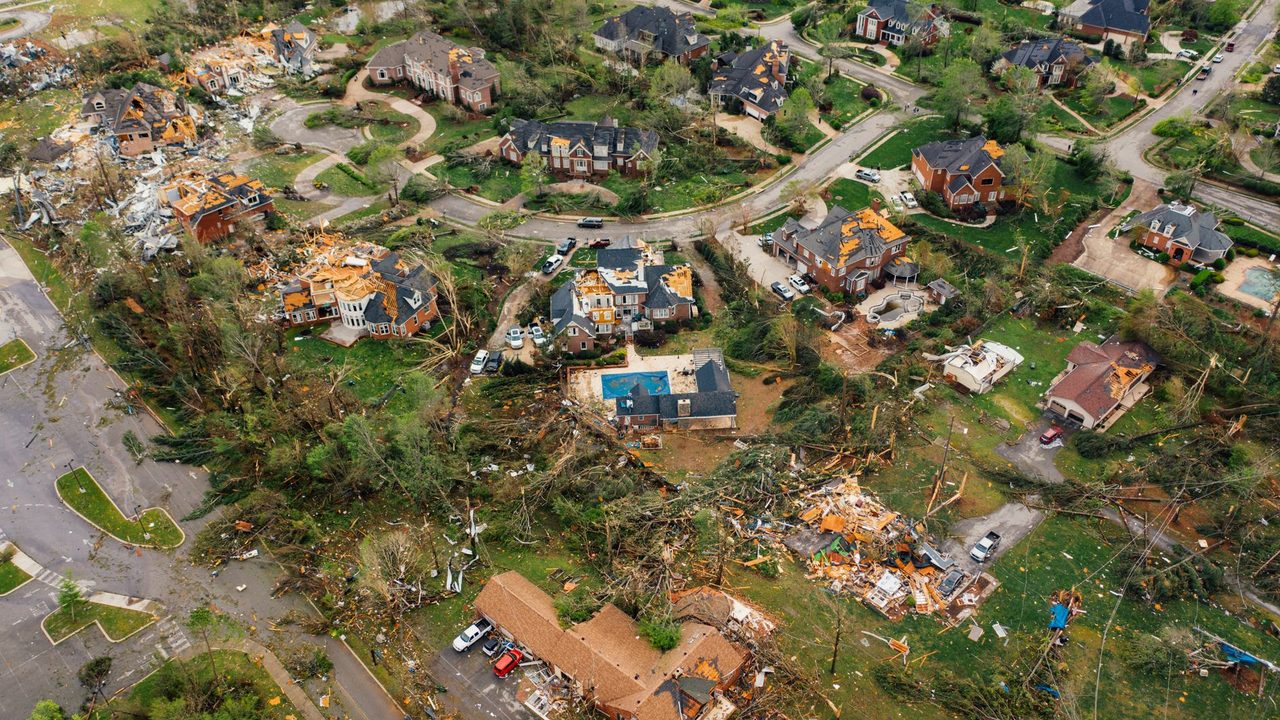
The full extent of the damage was not immediately known. Roads in Destin were flooded, and police in nearby Pensacola told residents to stay off the streets because of debris. Residents posted images online of downed trees and power lines. One social media video showed a roof torn off an inn in Pensacola.
In southern Alabama, officials in Mobile reported downed trees and power lines, and parts of the area flooded. Roads in Houston County, in the state's southeastern corner, were closed for similar reasons. Some Panhandle counties temporarily suspended emergency response Friday night because of dangerous conditions.
Tim Mowry, a Pensacola resident, told reporters the wind sounded like a train whistle as it pushed through a crack in his patio door. He lost power but used a generator, and standing water covered his backyard. He said his area was fortunate and the storm was not as bad as he had expected. His son tried to drive to his home but turned back because fallen trees and power lines blocked the roads.
What does this mean for people in the storm's path?
For many residents, the immediate effects are lost power and blocked roads. Florida Gov. Ron DeSantis urged people at a Friday news conference to stay put, saying “The storm is here. Buckle down at this point.” He also told people not to go out on the roads.
Travel was disrupted as well. The storm grounded most Friday flights at several Panhandle airports, including all flights into and out of Destin-Fort Walton Beach Airport.
President Donald Trump scrapped plans to attend Saturday's football game between the University of Georgia and the University of Alabama in Tuscaloosa. He said he did not want to disrupt emergency response efforts, according to ABC News.
What is still expected over the weekend?
Even as Isaias weakens, forecasters expect 4 to 8 inches (10 to 20 centimeters) of rain, or more in places, through the weekend. The heaviest totals are forecast for southern Alabama, the Florida Panhandle and Big Bend, and southwest Georgia.
Life-threatening storm surge remained a concern for parts of the Florida Panhandle. Forecasters also warned that conditions could produce tornadoes across parts of the Panhandle and into Georgia and the Carolinas.
Why does it matter beyond the Gulf Coast?
The storm's effects are not limited to the area where it came ashore. ABC News reported that Isaias is expected to bring heavy rain and possible flooding to much of the Southeast over the weekend. It is then forecast to reach parts of the Midwest and Northeast into Monday.
That means communities far from the Gulf could face rain-related hazards after the hurricane's winds have faded. Residents of the affected areas may continue to see road closures, debris and power problems as conditions evolve. Officials had not yet given a full picture of the damage or of when power would be restored.
Source: ABC News