Iowa Lead Azide Detonation: What the EPA Has Found So Far
USD 22,28
Popular
The Environmental Protection Agency says its monitors have found no airborne lead anywhere in the region since the U.S. Army destroyed a stockpile of lead azide at the Iowa Army Ammunition Plant in Middletown, Iowa. The agency said Thursday that it expects to start receiving laboratory results on post-detonation samples as early as Friday, according to CBS News and The Associated Press.
The controlled detonation took place Wednesday. Residents and environmental groups had worried that a plume of toxic lead dust could threaten public health and agriculture, while the Army argued that the aging explosive had become too dangerous to leave in place.
Key facts about the detonation
- What was destroyed: about 5 tons of degraded lead azide, a chemical used to make explosives, according to Fox News and CBS News.
- Where: the Iowa Army Ammunition Plant in the small community of Middletown, Iowa, CBS News reported.
- When: Wednesday, in a controlled detonation carried out by the Army.
- Why: the Army said detonating the stockpile was the safest option because it was degrading and might explode uncontrollably as the weather got colder, per The Associated Press.
- Result so far: the EPA reports no airborne lead detected in the region as of Thursday.
- Next: lab results on post-detonation samples could begin arriving Friday, the EPA said.
Why the Army chose to detonate
CBS News reported that the plant housed about 10,000 pounds of lead azide, a compound used in ammunition since World War I. The EPA said the material had degraded over the roughly 20 years it spent in storage. During that time it went through a recrystallization process that increased its sensitivity to friction and shock, which raised the risk of an unintentional detonation, the agency said.
The Associated Press described the destroyed material as the nation's entire stockpile of lead azide. Fox News reported that the Army deemed the chemical unsafe and unstable.
What the EPA sampled before and after
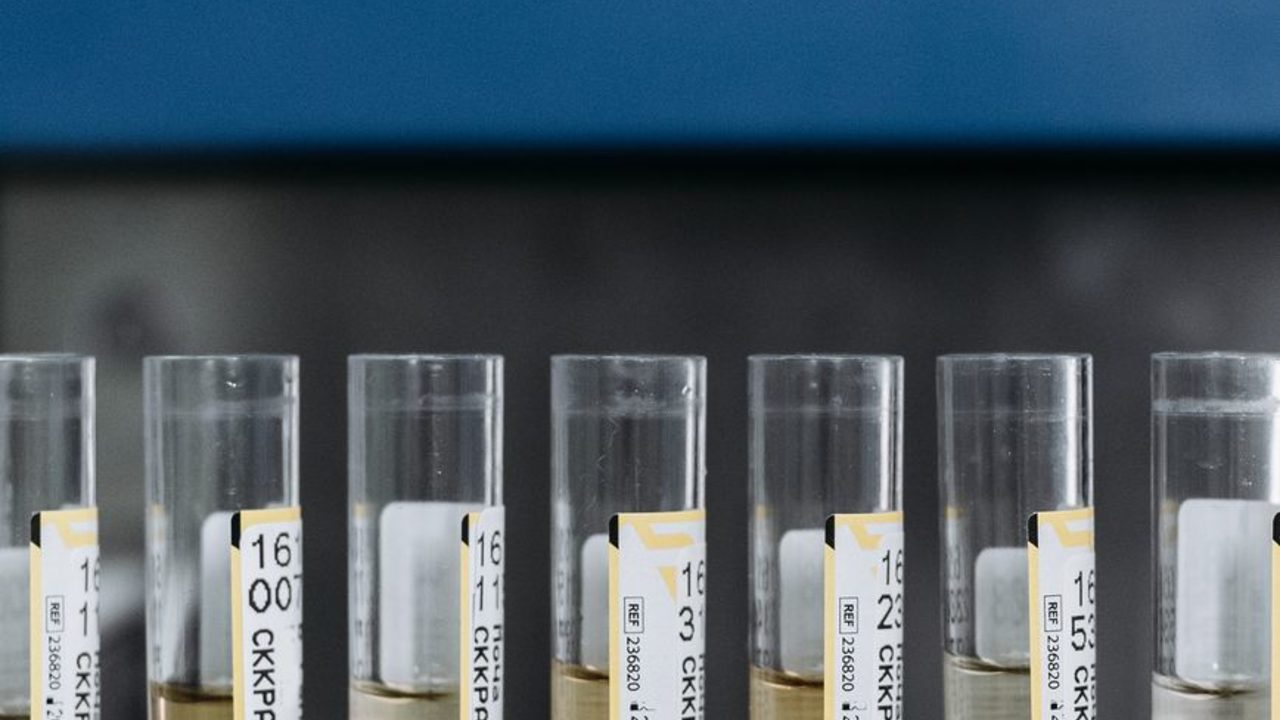
The EPA collected samples before the blast to set a baseline against which any environmental change could be measured. The sources give slightly different counts for that baseline: Fox News said nearly 1,600 air, water, soil and dust samples, while The Associated Press and CBS News said more than 1,500.
After the detonation, the agency took more than 1,000 samples, according to Fox News and CBS News. The Associated Press described them as hundreds of samples, with more still to be collected on Thursday.
CBS News reported that the EPA sampled at more than 130 structures, including homes, schools, daycare centers and churches, as well as parks, nearby farms, drinking water sources and the Mississippi River watershed. The EPA said it sampled every drinking water intake in the pre-detonation plume model. It also said it worked with the U.S. Department of Agriculture to collect samples from nearby farms both before and after the blast, and that extensive sampling of Mississippi River watershed water was finished before and after the detonation.
On Thursday, the EPA said, personnel and contractors were focusing on schools, playgrounds, daycares, churches and other sites in the region. Air cassettes that sample for lead were to be replaced so monitoring could continue, and soil and dust sampling was expected to wrap up the same day, Fox News reported. Samples went to multiple EPA and private labs, according to CBS News.
Is lead the only thing being tested?
No. The Associated Press and CBS News reported that the EPA is also testing for other compounds that could have been released by the explosion. The agency said it is testing for everything it anticipated could potentially be released as a result of the controlled detonation.
The legal fight and the run-up
CBS News reported that local residents and environmental groups had sought to block the detonation. The 8th Circuit Court of Appeals paused the plan last week while it considered whether to impose a longer-lasting ruling. On Monday, the court said the groups challenging the plan had failed to show they were likely to succeed.
CBS News also reported that the chaotic lead-up to the detonation prompted questions within the Trump administration about what went wrong and who was to blame for not bringing the matter to senior officials sooner, citing sources familiar with the matter.
What officials are saying
The EPA called the detonation successful and said its personnel would stay on the ground for as long as needed to ensure proper environmental monitoring. EPA Administrator Lee Zeldin said late Wednesday that the operation exceeded expectations in a big way, Fox News reported. President Donald Trump praised the Army and others involved in a post on Truth Social, and CBS News noted that he, too, said the detonation exceeded expectations.
What this means for people living nearby
For residents of the area around Middletown and for people downwind, the main finding so far is that air monitors have not picked up lead. Fox News reported there had been concern that a plume of potentially toxic dust could drift toward Missouri; the EPA has not reported detecting lead in the air in the region since the blast.
That is not the final answer, however. Soil, dust and water samples must go through laboratory testing, and results had not yet been released as of Thursday. The EPA has said those results could start arriving as early as Friday. Because the agency sampled homes, public parks with playgrounds, schools, daycares and every drinking water intake in the modeled plume area, the lab results will show whether those places show any change from the baseline readings taken before the detonation.
What happens next
The EPA expects the first laboratory results from post-detonation sampling as early as Friday. The agency also said it will keep staff in the region as long as needed for monitoring. Soil and dust sampling was expected to conclude Thursday, Fox News reported, while the air monitors would keep running.
Frequently asked questions
How much lead azide did the Army destroy in Iowa?
About 5 tons of degraded lead azide were destroyed in a controlled detonation on Wednesday, according to Fox News and CBS News. CBS News said the plant had housed about 10,000 pounds of the chemical.
Did the EPA find lead in the air after the Iowa detonation?
No. The EPA said its monitors detected no airborne lead throughout the region as of Thursday.
When will the EPA release soil and water test results?
The EPA said it expects to begin receiving lab results on post-detonation samples as early as Friday.
Why did the Army blow up the lead azide?
The Army said detonating it was the safest option because the stockpile was degrading and might explode uncontrollably as the weather got colder. The EPA said the material had become more sensitive to friction and shock after about 20 years in storage.
Read next
Iowa Lead Azide Detonation: What We Know After a Court Put It on Hold
What Iowa's Planned Lead Azide Blast Means for Residents Near an Army Plant
Eaton Fire Smoke Carried 80 Times Normal Lead Over 7 Million Angelenos
Around Prague, based on reporting by Fox News, ABC News, CBS News