South Sudan Delays Its First-Ever National Election Again, to Feb. 11, 2027
USD 22,10
Popular
South Sudan has pushed back its first national elections since independence once again, moving polling day from Dec. 22 to Feb. 11, 2027. A revised timetable published Saturday by the National Election Commission did not give a reason for the change, according to both Al Jazeera and ABC News.
The delay comes amid concerns about insecurity, funding shortages and the country's readiness to vote, ABC reported. Al Jazeera says it is at least the third postponement since 2022 was set as the election year.
How South Sudan got here
- 2011: South Sudan became independent from Sudan after decades of civil war, ABC reported.
- 2013 to 2018: Forces loyal to President Salva Kiir and followers of rival Riek Machar fought a civil war that killed at least 400,000 people, according to Al Jazeera.
- 2018: A peace deal was signed, and a transitional government of national unity was formed in 2020, ABC said.
- 2022 and 2024: The elections were postponed on these occasions, according to ABC.
- Early 2025: Fighting between government and opposition forces escalated. Machar was placed under house arrest in March.
- September: Kiir dissolved the transitional unity government and appointed a caretaker administration.
The new calendar
Under the revised schedule, voter registration begins Saturday, Nov. 14, and runs through Nov. 28. A 45-day campaign period will run from Dec. 27 to Feb. 9, followed by one day of silence before the vote on Feb. 11.
Gabriel Bol Deng, chairman of the commission, said 3,161 registration centers have been set up across the country, with more than 22,000 staff recruited. ABC reported that the centers are spread across the country's 10 states and three administrative areas. Deng urged eligible citizens to register and asked political parties, civil society groups, community leaders and the media to help spread the word.
Why the vote is contested
Al Jazeera reported that the September decision let the country move toward elections without first completing a permanent constitution or a census, which had been tied to the transition. Analysts and watchdogs warned that it dismantled a key power-sharing arrangement and concentrated power in Kiir's hands, raising the risk of renewed widespread conflict. Yasmin Sooka, chair of the U.N. Commission on Human Rights in South Sudan, called the move a constitutional coup carried out through legislative reforms. She also said South Sudan would still need an inclusive political settlement and protection for civilians, whether or not elections take place.
Machar is on trial with seven co-defendants on charges including treason, murder and crimes against humanity linked to an attack on an army garrison in Nasir, ABC reported. They deny the charges.
In late October, the South Sudan Civil Society Forum said conditions did not support fair, credible, peaceful and inclusive elections in the time left. Anita Kiki Gbeho, head of the U.N. Mission in South Sudan, told the Security Council on Nov. 10 that there has been little electoral activity among registered parties other than Kiir's ruling Sudan People's Liberation Movement, which has been holding primaries. She said, “Elections must be a milestone in the transition, not its conclusion.”
ABC also reported that two delegates of the movement were killed Thursday in an attack in Miri Loko village, in Western Equatoria state, as they returned from party primaries. It was the third security incident affecting the party's primaries and congresses in the state, according to a local party official.
What this means for voters
For South Sudan's roughly 15 million people, the practical hurdle is getting registered. According to the World Bank, about 90 percent of them have no state-recognized identification. Al Jazeera reported that such people, especially in rural areas, will be identified by community leaders and issued an identification form that lets them vote, Deng said.
Edmund Yakani, director of the Community Empowerment for Progress Organization, called for transparency from the commission. He said the locations of registration centers had still not been published on the day registration was due to begin, leaving citizens without clear information on where to register.
Read next
Abbas Delays First Palestinian Parliamentary Vote in Nearly 20 Years to 2027
Israel Election by the Numbers: Turnout, Exit Polls and the 61-Seat Test
What Is at Stake in the Midterm Elections on Nov. 3? Congress, Governors and Ballot Measures
Around Prague, based on reporting by Al Jazeera, ABC News
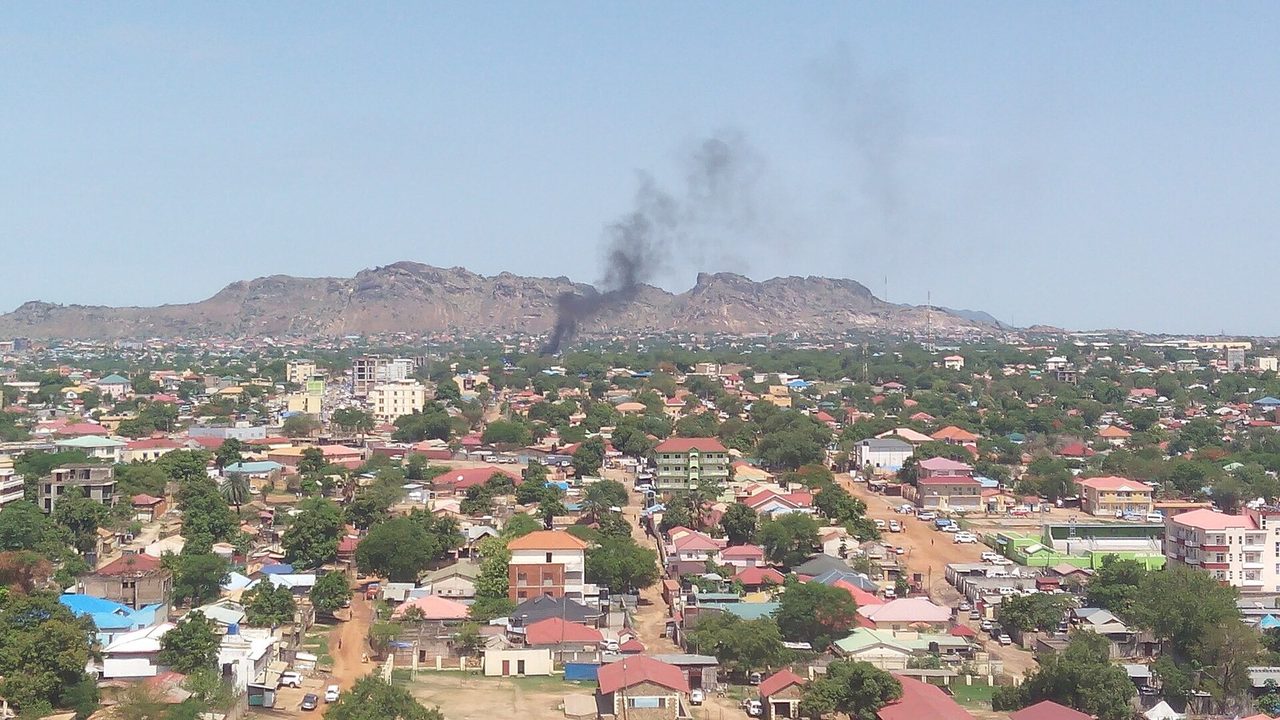
Cover photo: Rigan123 / Wikimedia Commons, CC BY-SA 4.0, cropped