Britain Flies Doctor With Ebola Home From Congo as Outbreak Passes 10,000 Cases
USD 21,65
Popular
A British doctor who tested positive for Ebola in the Democratic Republic of Congo has been flown back to the U.K. for treatment, the government said Thursday. Officials say the risk to the British public remains low.
The patient, who has not been identified, landed at RAF Northolt and was taken to a specialist isolation unit at the Royal Free Hospital in north London, according to the BBC and The Guardian. It is the first confirmed case of a U.K. national contracting Ebola in the current outbreak.
How the evacuation unfolded
The Department of Health said the man was brought home on a medical evacuation flight, organized jointly by the U.K. and Congolese governments and their international health partners. The Guardian reported that a humanitarian organization had sent him to Congo to help with the outbreak response. ABC News described him as believed to be a healthcare worker.
The BBC reported that a convoy of police vans and ambulances met the plane. Traffic was stopped and police kept the public away as the convoy reached the hospital. The Foreign Office said the country's procedures for infectious diseases had been activated.
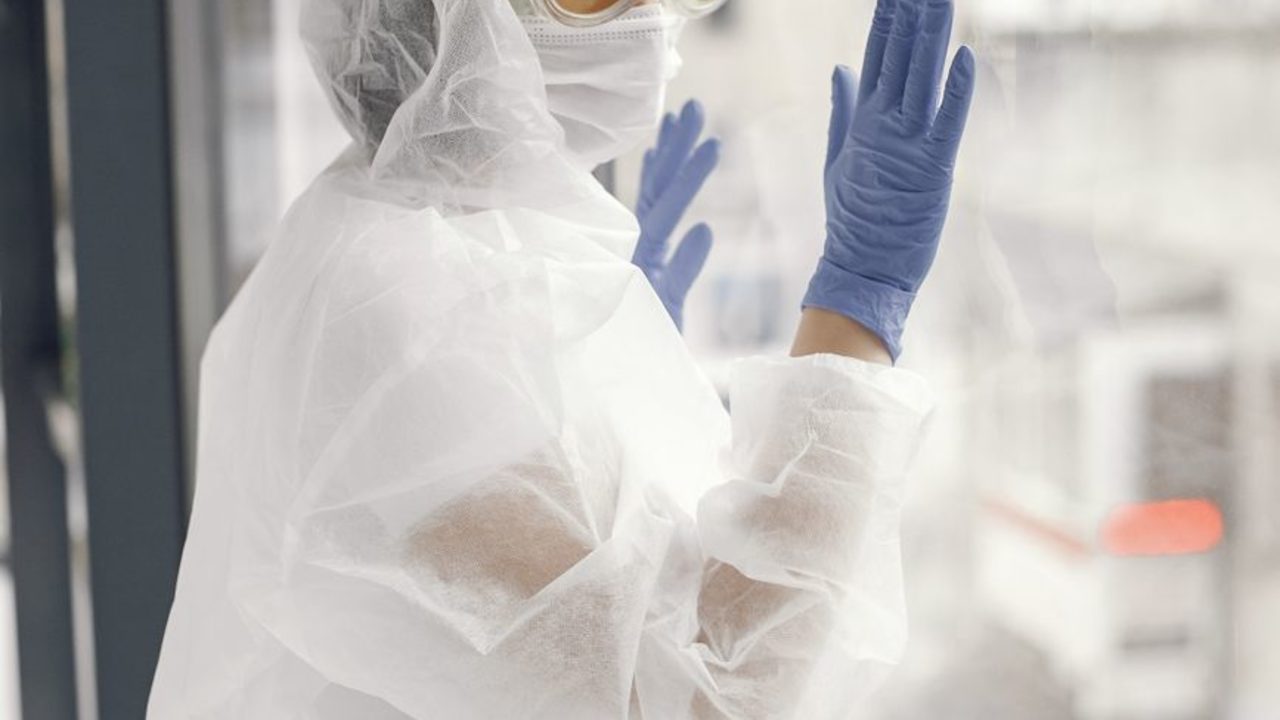
The Royal Free treated three health workers evacuated during the West Africa outbreak of 2014 and 2015. It has a high-level isolation unit. The Guardian reported that the unit has strict protocols to keep patients away from the public, and that staff wear protective equipment.
Where this fits in the outbreak
ABC News reported that the patient is the third person who tested positive to return to Europe during this outbreak. France confirmed a case in June in a doctor who had returned from a humanitarian mission in Congo and has since recovered. A Swiss woman believed to have been infected in Uganda was evacuated to Geneva last month, and her husband, a diplomat, was held in isolation in Zurich.
Congo's health ministry declared the outbreak in May. ABC News reported 10,600 infections and more than 5,100 deaths, while the BBC and The Guardian put the totals above 10,000 cases and 5,000 deaths. The BBC said the fatality rate was 48.6% at the end of last month.
The disease has spread to 67 health zones across eight provinces, up from three zones when it was first declared, ABC News reported. Cases have also been confirmed in Kenya, Uganda and Nigeria, where The Guardian said a case was confirmed last month in the capital, Abuja. The BBC described it as the second deadliest recorded Ebola outbreak, behind the one in West Africa in the 2010s. The current outbreak is driven by the Bundibugyo variant.
What this means for the public
Dr. Renu Bindra of the U.K. Health Security Agency said well-established procedures exist for cases like this one and that the risk to the wider public remains low. She said the agency and the National Health Service have infection prevention and control protocols to limit onward transmission.
Ebola spreads through direct contact with the body fluids of infected people, such as blood or vomit, or with dead bodies, according to The Guardian. Symptoms usually appear two to 21 days after exposure. They begin with fever, aches and fatigue and can progress to diarrhea, vomiting and unexplained bleeding. The BBC added that the illness can lead to organ failure and internal bleeding.
Only four confirmed Ebola cases had been recorded in the U.K. before this one, according to the BBC and The Guardian. One, in 1976, came from a laboratory needle incident. The other three were health workers who had responded to the West Africa outbreak. The BBC said none of those four cases was fatal.
Dr. Damien Tully, an infectious disease expert at the London School of Hygiene & Tropical Medicine, told ABC News the infection was “deeply concerning, but it is not entirely unexpected.” He said health workers are on the front line and accidental exposures can occur even with rigorous protective measures.
What happens next
The patient remains in isolation at the Royal Free, and his condition was not disclosed. The BBC reported that there is no approved vaccine for the Bundibugyo variant. The World Health Organization said experts have recommended adding two candidate vaccines to an ongoing clinical trial. One was developed by the University of Oxford and the Serum Institute of India, the other by Moderna. They will join once Congolese health authorities approve them, and it will be the first time vaccines designed for the Bundibugyo virus are tested during an outbreak.
Read next
Ebola Outbreak in Congo Reaches Eighth Province as North Kivu Tightens Travel Rules
Nigeria Confirms Ebola Case in Abuja: What to Know About the Patient and Outbreak
Shamonda Virus, Mainly a Livestock Disease, Is Found in a Human Patient in France
Around Prague, based on reporting by ABC News, BBC News, The Guardian